
Ocean Dumping: A Mess We Need to Clean Up
How Ocean Dumping Hurts Marine Life

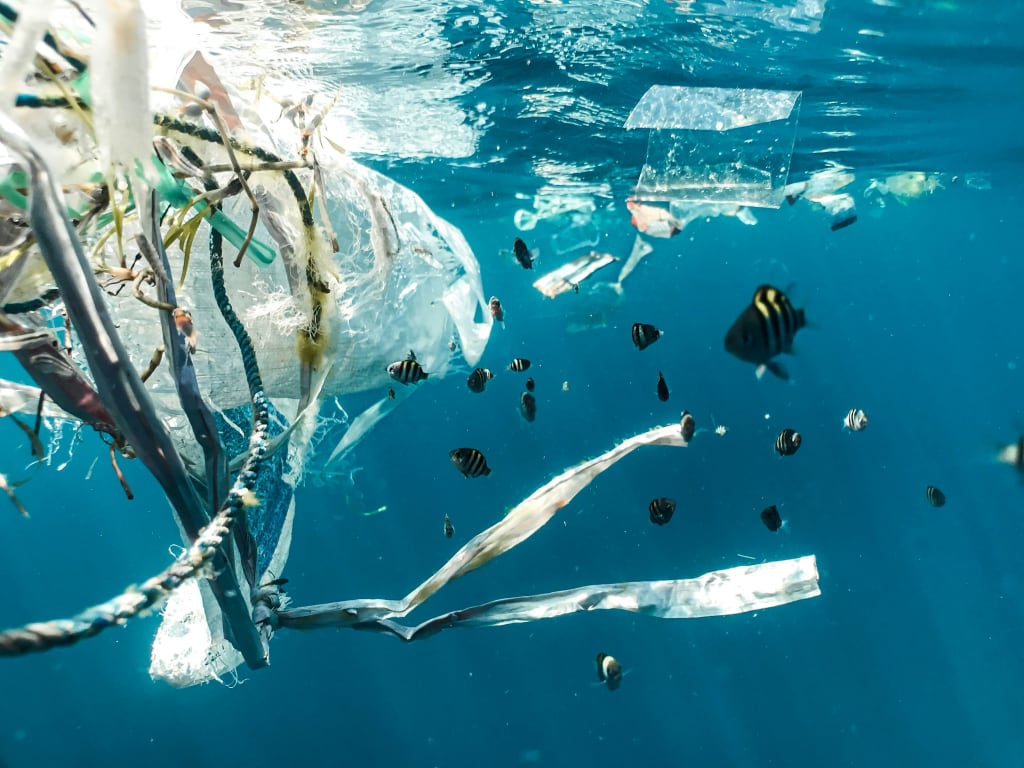
You know how we sometimes toss trash in a bin and forget about it? Well, imagine that trash ending up in the ocean instead. Ocean dumping is when people throw waste—like plastic, chemicals, or even old equipment—straight into the sea. It’s been a problem for years, and it’s messing up our oceans big time. Let’s dive into what this means for marine life, how the USA plays a role, and why it’s a serious issue for the future.
The Impact of Ocean Dumping on Marine Life
The ocean is home to millions of creatures, from tiny plankton to massive whales. But when we dump trash, it’s like turning their home into a landfill. Plastic bags and bottles float around, and animals like turtles or seabirds mistake them for food. They eat this stuff, and it can block their stomachs or even choke them. Over time, this can kill them or make it hard for them to survive.
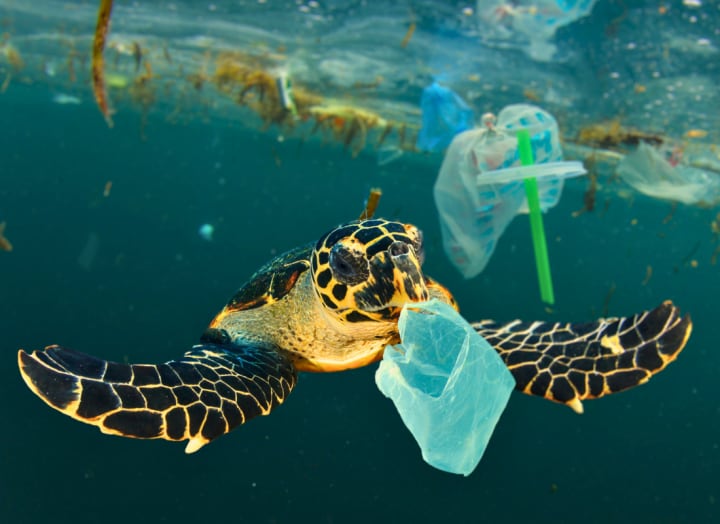
Then there’s the chemical stuff—like oil, pesticides, or toxic waste. These poisons spread through the water and mess with the whole food chain. Fish get sick, and the animals that eat those fish, like seals or dolphins, get sick too. Coral reefs, which are like underwater cities for marine life, are also dying because of this pollution. When reefs die, tons of species lose their homes. It’s a chain reaction, and it’s not good.
The USA’s Role in Ocean Dumping
The USA has been a big player in ocean dumping, especially in the past. Back in the day, cities like New York would just load up barges with garbage and dump it offshore. Industrial waste, like chemicals from factories, was also poured into the sea. Even radioactive waste was sometimes sunk in barrels! While the USA has cracked down on this since the 1970s with laws like the Ocean Dumping Act, it’s not like the problem’s gone.
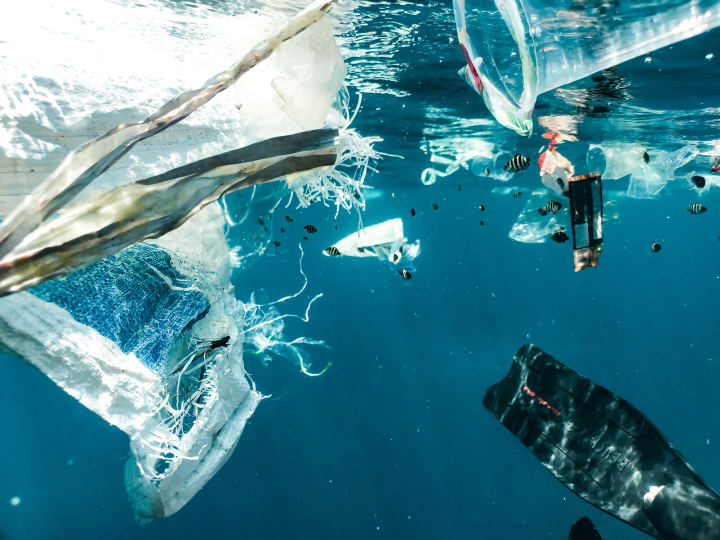
Today, a lot of the USA’s contribution comes from runoff and indirect dumping. For example, rainwater washes plastic trash, fertilizers, and chemicals from cities and farms into rivers, which flow into the ocean. The USA is also one of the world’s top producers of plastic waste, and a chunk of it ends up in the sea. According to some studies, the USA generates more plastic waste per person than most other countries, and not all of it gets recycled properly. So, even if we’re not dumping trash directly into the ocean like before, we’re still adding to the mess.
Why This Is Bad for Future Generations
Think about your kids or grandkids. If we keep dumping stuff in the ocean, what kind of world are they going to inherit? For one, the oceans might not be able to provide as much food. Fish populations are already shrinking because of pollution and overfishing. If we keep poisoning the water, there’ll be even fewer fish to catch.
Then there’s the bigger picture. Oceans help control the planet’s climate by absorbing heat and carbon dioxide. But when they’re full of junk and chemicals, they can’t do that job as well. This could make climate change worse, leading to more extreme weather, rising sea levels, and hotter temperatures. Plus, all that plastic doesn’t just disappear—it breaks down into tiny bits called microplastics that stick around for centuries. Those microplastics are already in the fish we eat and even in our drinking water. That’s not exactly the legacy we want to leave behind.
What Can We Do?
The good news is we can still turn things around. Simple stuff like using less plastic, recycling properly, and supporting clean-up efforts can make a difference. The USA and other countries are also working on better laws to stop pollution and clean up the oceans. But it’s not just about governments—it’s about all of us. If we care about the ocean and the critters living in it, we’ve got to stop treating it like a giant trash can.
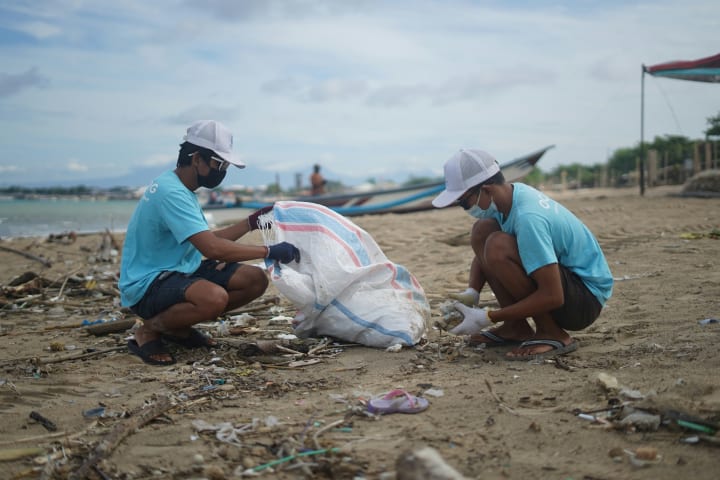
Ocean dumping is a big problem, but it’s not too late to fix it. Let’s keep the seas blue and clean for the fish, the planet, and the kids who’ll come after us.
About the Creator
Keep reading
More stories from Satyajit Mandal and writers in Earth and other communities.
GTA 6: The Wait Just Got Longer, But It’s Gonna Be Worth It!
Hey, gamers! Buckle up because we’re diving into the latest scoop on Grand Theft Auto VI (GTA 6), the game everyone’s been buzzing about for years. Rockstar Games dropped some big news recently, and it’s got fans both excited and a little frustrated. Let’s break it all down in a fun, easy-to-read way—everything from the release date to why the game’s been delayed and what we can expect from this epic adventure.
By Satyajit Mandal9 months ago in Gamers
Harnessing Pyrolysis for Forest Fire Mitigation
Forest ecosystems face increasing wildfire risks due to climate change, prolonged drought, and human activity. Traditional fire prevention methods, including controlled burns and mechanical thinning, have proven partially effective but carry limitations in scalability and environmental impact. Integrating pyrolysis-based strategies presents an innovative pathway to reduce combustible biomass while generating valuable by-products, aligning ecological stewardship with economic utility.
By Wayne Shena day ago in Earth



Comments
There are no comments for this story
Be the first to respond and start the conversation.