
New Bipartisan Congressional Bill Would Regulate Hemp Products, In Contrast To Ban Trump Signed
A Shift From Prohibition to Oversight in America’s Hemp Industry

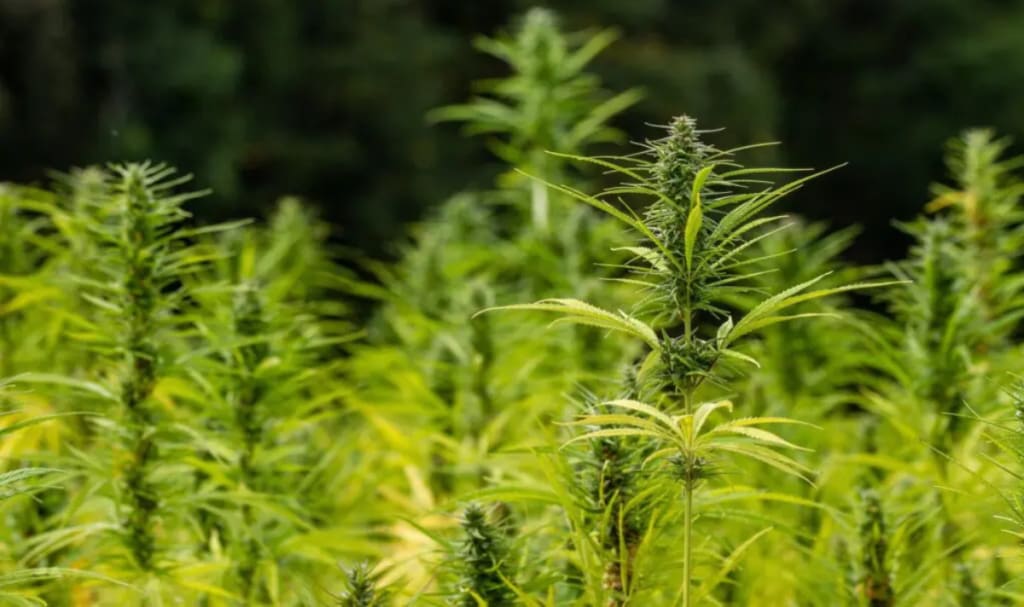
The debate over hemp regulation in the United States is once again taking center stage in Congress. A new bipartisan congressional bill aims to regulate hemp-derived products, marking a clear contrast with a previous ban signed by former President Donald Trump. This proposed legislation reflects a growing recognition among lawmakers that hemp is here to stay — and that regulation, not outright prohibition, may be the most effective way forward.
As hemp-based products flood the market, from CBD oils to gummies and beverages, policymakers are grappling with how to balance consumer safety, economic opportunity, and public health. The new bill represents a notable shift in approach and signals evolving attitudes across party lines.
Understanding Hemp and Why It Matters
Hemp is a variety of the cannabis plant that contains very low levels of THC, the psychoactive compound associated with marijuana. Under federal law, hemp is defined as cannabis containing no more than 0.3% THC, making it legal to grow and process in many parts of the country.
Since hemp was federally legalized for cultivation in 2018, the industry has expanded rapidly. Farmers, entrepreneurs, and manufacturers have embraced hemp for its versatility, using it to produce:
CBD and other cannabinoids
Food and beverages
Cosmetics and wellness products
Industrial materials like textiles and paper
However, this rapid growth has also exposed regulatory gaps, particularly around hemp-derived intoxicating products that can closely resemble marijuana in effect.
The Trump-Era Ban: A Restrictive Approach
During the Trump administration, a ban was signed that restricted certain hemp-derived products, particularly those that lawmakers argued blurred the line between hemp and marijuana. Supporters of the ban said it was necessary to protect consumers, especially minors, from unregulated intoxicants.
Critics, however, argued that the ban was overly broad, harming legitimate businesses and farmers who were operating within the law. Many in the hemp industry felt the move ignored economic realities and failed to distinguish between responsible producers and bad actors.
The ban created uncertainty, leaving businesses unsure which products were allowed and which could be pulled from shelves overnight.
A Bipartisan Shift Toward Regulation
The newly proposed congressional bill takes a different approach. Instead of banning hemp products outright, it seeks to establish clear federal standards for how they are produced, labeled, marketed, and sold.
Key goals of the bill include:
Consumer safety protections, including quality and purity standards
Clear labeling requirements, especially for cannabinoid content
Restrictions on marketing to minors
Consistent rules across states, reducing confusion and loopholes
What makes the bill particularly noteworthy is its bipartisan support. Lawmakers from both parties acknowledge that hemp products are already widely available, and regulation may be more effective than prohibition in addressing risks.
Why Regulation Appeals to Both Parties
For Democrats, regulation aligns with priorities around consumer protection, public health, and transparency. Ensuring that hemp products are accurately labeled and tested can reduce harm and build trust with consumers.
For Republicans, the bill supports free-market principles, agricultural interests, and small businesses. Many hemp farmers operate in rural areas, and regulation offers stability without shutting down an emerging industry.
This shared ground has made hemp one of the rare areas where bipartisan cooperation is possible in an otherwise polarized Congress.
Concerns and Criticism
Despite broad support, the bill is not without critics. Some advocates worry that overregulation could burden small businesses, favoring large corporations with more resources to comply.
Others argue that the bill does not go far enough in addressing intoxicating hemp derivatives, while some fear it could unintentionally open the door to stricter enforcement down the line.
Public health groups continue to express concern about products that mimic candy or snacks, arguing they pose risks to children if not properly controlled.
Impact on Farmers and Businesses
For hemp farmers, the bill could bring much-needed clarity. Clear federal rules would reduce the risk of sudden policy shifts that disrupt planting, processing, and sales.
Manufacturers and retailers would benefit from uniform standards, allowing them to operate across state lines without navigating a patchwork of conflicting laws.
At the same time, compliance costs could rise, making it essential that regulators consider the realities faced by small and medium-sized businesses.
What This Means for Consumers
For consumers, regulation could improve safety and transparency. Standardized testing and labeling would make it easier to understand what is in hemp products and how they should be used.
Consumers would also benefit from fewer misleading claims and better protections against contaminated or mislabeled products.
In contrast to prohibition, regulation aims to reduce harm while preserving access, a model that has gained traction in other areas of public policy.
A Broader Policy Trend
The hemp bill reflects a broader shift in how lawmakers approach emerging industries. Rather than banning products outright, there is growing recognition that smart regulation can address risks without stifling innovation.
This approach mirrors debates around technology, environmental policy, and public health, where oversight is increasingly favored over blanket bans.
Final Thoughts
The new bipartisan congressional bill to regulate hemp products marks a clear departure from the restrictive ban signed during the Trump administration. It represents an effort to balance economic growth, consumer safety, and public health in a rapidly evolving market.
Whether the bill becomes law remains to be seen, but its bipartisan nature suggests a growing consensus: hemp is no longer a fringe issue. Regulation, not prohibition, may offer the most practical path forward for lawmakers, businesses, and consumers alike.
As Congress continues to debate the future of hemp, the outcome will shape not only the industry but also how America approaches regulation in a changing economy.
About the Creator
Muhammad Hassan
Muhammad Hassan | Content writer with 2 years of experience crafting engaging articles on world news, current affairs, and trending topics. I simplify complex stories to keep readers informed and connected.
Keep reading
More stories from Muhammad Hassan and writers in Earth and other communities.
World Spends $30 Destroying Nature for Every $1 Spent Protecting It
The world is at a crossroads when it comes to environmental protection. A shocking new analysis reveals that for every $1 spent protecting nature, humanity spends roughly $30 destroying it. This staggering imbalance underscores a harsh reality: economic development, industrial growth, and resource exploitation continue to take precedence over the planet’s ecological health.
By Muhammad Hassanabout 12 hours ago in Earth
Medicinal herbs of the Carpathians
According to popular beliefs, the Carpathians are considered a healing "place of power" and there is no mysticism in this. Air with a unique composition and medicinal Carpathian herbs can work real miracles. Since ancient times, the Hutsuls have used them to treat various diseases. Today, herbal medicine in the Carpathians is experiencing its revival, attracting more and more attention from both locals and tourists.
By Olaf Podolski5 days ago in Earth
Harnessing Pyrolysis for Forest Fire Mitigation
Forest ecosystems face increasing wildfire risks due to climate change, prolonged drought, and human activity. Traditional fire prevention methods, including controlled burns and mechanical thinning, have proven partially effective but carry limitations in scalability and environmental impact. Integrating pyrolysis-based strategies presents an innovative pathway to reduce combustible biomass while generating valuable by-products, aligning ecological stewardship with economic utility.
By Wayne Shen5 days ago in Earth


Comments
There are no comments for this story
Be the first to respond and start the conversation.