
World Spends $30 Destroying Nature for Every $1 Spent Protecting It
How Global Priorities Are Driving Environmental Collapse

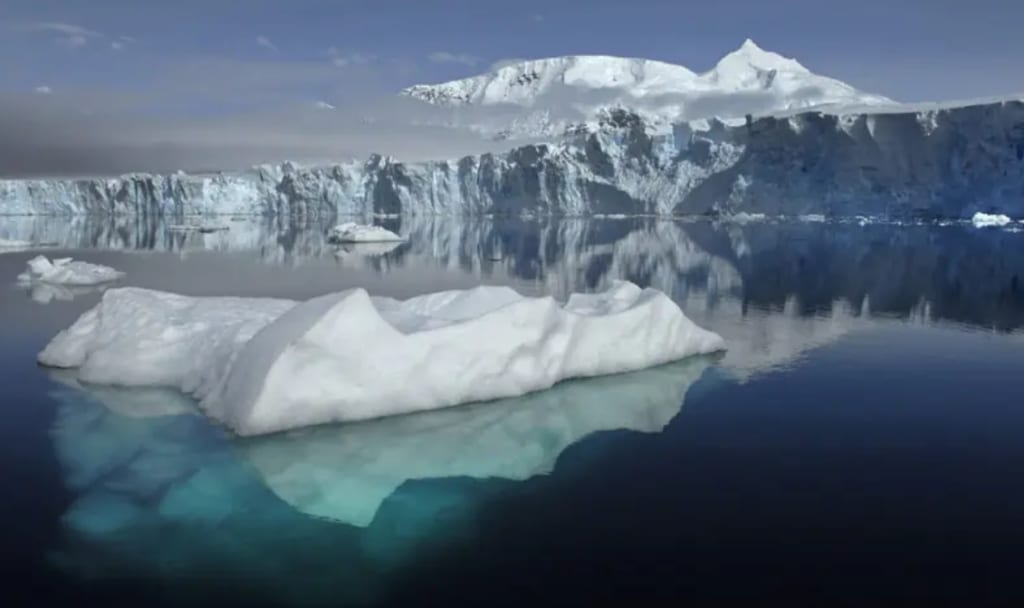
The world is at a crossroads when it comes to environmental protection. A shocking new analysis reveals that for every $1 spent protecting nature, humanity spends roughly $30 destroying it. This staggering imbalance underscores a harsh reality: economic development, industrial growth, and resource exploitation continue to take precedence over the planet’s ecological health.
From deforestation and mining to pollution and urban sprawl, the costs of environmental destruction are mounting — not only for wildlife but also for people who depend on healthy ecosystems for clean air, water, and food.
The Scale of Destruction
Human activity is reshaping the planet at an unprecedented rate. Industries such as agriculture, logging, mining, and fossil fuel extraction generate enormous profits, yet their impact on the natural world is devastating. Key points from recent research include:
Deforestation: Millions of hectares of forests are cleared every year, reducing biodiversity and releasing massive amounts of carbon into the atmosphere.
Pollution: Air, soil, and water pollution from industrial and agricultural activities threatens both wildlife and human health.
Overexploitation of Resources: Fisheries, groundwater, and mineral deposits are being depleted far faster than they can replenish.
Infrastructure Development: Roads, dams, and urban expansion often fragment habitats, displacing countless species.
These activities, while profitable in the short term, incur hidden costs that often exceed the benefits. Health problems, climate impacts, and ecosystem collapse are just some of the long-term consequences of this imbalance.
Why Protecting Nature Costs So Little
The relatively tiny investment in environmental protection — $1 for every $30 spent destroying it — is due to several systemic issues:
Short-term economic priorities: Governments and corporations prioritize immediate growth over long-term sustainability.
Underfunded conservation efforts: Protected areas, wildlife reserves, and restoration projects often receive insufficient funding.
Limited global coordination: International agreements like the Convention on Biological Diversity exist, but enforcement and compliance remain weak.
Public awareness gaps: People often underestimate the value of ecosystems until services like clean water and fertile soil are compromised.
This spending imbalance highlights a global failure to recognize the true value of natural systems, both economically and socially.
The Human and Ecological Cost
Destroying nature has direct and indirect consequences for humans. Ecosystem services — such as pollination, water purification, and climate regulation — are essential to human survival. When these services are disrupted, the impacts are felt across societies:
Health crises: Pollution and environmental degradation contribute to respiratory illnesses, contaminated water, and increased disease transmission.
Food insecurity: Loss of fertile land and declining fish stocks threaten global food supply.
Climate vulnerability: Deforestation and habitat destruction accelerate climate change, increasing the frequency of floods, droughts, and heatwaves.
Biodiversity loss: Extinction rates are accelerating, undermining ecosystems that humans rely on for resources and stability.
Every dollar spent protecting nature could help prevent or mitigate these costs, yet society continues to prioritize short-term profits over long-term survival.
Examples of Environmental Destruction vs. Protection
The spending imbalance is evident across sectors:
Agriculture: Large-scale monocultures and pesticide use generate high yields but degrade soil and water, while investments in sustainable farming remain limited.
Forestry: Logging operations often destroy vast areas of forest, while reforestation efforts cover only a fraction of lost trees.
Fossil fuels: Oil, coal, and gas industries receive subsidies and investments worth billions, whereas renewable energy and carbon offset programs receive far less.
Urban development: Cities expand into wetlands, grasslands, and coastal areas, displacing wildlife and exacerbating flooding, yet green infrastructure receives minimal funding.
In many cases, the money spent destroying ecosystems dwarfs any efforts to restore or protect them, perpetuating a cycle of environmental degradation.
Global Initiatives to Close the Gap
Despite the grim numbers, there are efforts worldwide to reverse the imbalance. Governments, NGOs, and private organizations are investing in conservation, restoration, and sustainable development. Key initiatives include:
Protected Areas and National Parks: Expanding wildlife reserves and marine protected areas.
Restoration Projects: Reforestation, wetland restoration, and coral reef rehabilitation programs.
Sustainable Agriculture: Promoting agroforestry, organic farming, and soil regeneration techniques.
Green Finance: Encouraging investments in renewable energy, carbon credits, and ecosystem services.
Community-led Conservation: Empowering local communities to protect forests, rivers, and wildlife.
While these efforts are positive, the funding gap remains enormous. To truly address environmental destruction, global spending on protection must increase dramatically, alongside stricter regulation of destructive industries.
The Moral and Economic Argument
Investing in nature is not just an ethical choice; it makes economic sense. Healthy ecosystems provide:
Flood and drought protection
Pollination for crops
Clean air and water
Tourism and recreation opportunities
Economists argue that the costs of inaction far outweigh the costs of protection. Every dollar invested in conservation yields multiple dollars in avoided damages, health benefits, and climate mitigation.
In other words, spending $1 to protect nature can prevent $30 or more in environmental and societal losses, making conservation both a moral imperative and a smart economic strategy.
What Can Be Done?
To address this imbalance, governments, businesses, and individuals must act:
Increase funding for conservation: Governments should allocate more resources to protect forests, rivers, and wildlife.
Incentivize sustainable business practices: Companies should adopt policies that minimize environmental harm.
Strengthen regulations: Enforce laws that limit deforestation, pollution, and overexploitation.
Raise public awareness: Education campaigns can help people understand the value of nature.
Support global agreements: Commit to international treaties that prioritize environmental protection.
Collective action is essential to ensure that economic growth does not come at the expense of the planet.
Final Thoughts
The fact that the world spends $30 destroying nature for every $1 protecting it is a stark warning. It highlights a mismatch between human priorities and the planet’s needs. If this trend continues, the consequences for biodiversity, climate stability, and human well-being will be severe.
Protecting nature is no longer optional. Every investment in conservation, restoration, and sustainable development is an investment in our collective survival and future prosperity. By reversing this imbalance, humanity can create a world where economic progress and environmental sustainability go hand in hand
About the Creator
Muhammad Hassan
Muhammad Hassan | Content writer with 2 years of experience crafting engaging articles on world news, current affairs, and trending topics. I simplify complex stories to keep readers informed and connected.
Keep reading
More stories from Muhammad Hassan and writers in Earth and other communities.
The Collapse of a Brazilian Bank Ensnares Politicians and Judges
Brazil is grappling with one of the most shocking financial scandals in recent history: the collapse of a major bank that has sent tremors through the economy, the political system, and the judiciary. What began as a financial crisis quickly transformed into a story of political entanglement, judicial scrutiny, and public outrage, raising questions about oversight, accountability, and the fragile trust that binds citizens, bankers, and politicians. The implications of this collapse are vast, affecting not just shareholders and depositors, but also shaking the foundations of governance in Brazil. The Collapse: A Perfect Storm of Mismanagement The bank in question, a significant player in Brazil’s retail and corporate banking sectors, reportedly faced years of mismanagement, risky lending practices, and opaque financial dealings. For years, internal audits hinted at irregularities, but these warnings were either ignored or covered up. When the collapse finally occurred, thousands of customers lost access to their accounts, and businesses relying on the bank for loans and credit lines faced immediate disruption. The ripple effect extended beyond the banking sector, affecting real estate, commerce, and public confidence in financial institutions. Politicians in the Crossfire As investigations unfolded, authorities discovered that several politicians had deep financial ties to the bank. Allegations include preferential loans, insider deals, and the use of political influence to shield executives from scrutiny. These revelations have sparked outrage among the public, who see the situation as yet another example of how money and power intersect in ways that harm ordinary citizens. Brazil’s history of corruption scandals — including Operation Car Wash — has made the public wary of politicians’ involvement in business, and this banking collapse appears to confirm those fears. Some politicians are now under formal investigation, facing charges ranging from corruption to conflict of interest. Legal experts predict that the case could lead to resignations, trials, and possibly convictions. Judges Under Scrutiny The crisis has also ensnared members of the judiciary. Reports indicate that some judges may have overlooked warning signs, delayed investigations, or facilitated questionable transactions involving the bank. While it is unclear whether these actions were deliberate or a result of systemic inefficiencies, the optics are troubling. Public confidence in the judiciary is essential for democracy, yet this scandal highlights the vulnerability of institutions when financial and political interests collide. Brazilian citizens are now demanding transparency, calling for independent oversight to ensure justice is applied equally — whether to bankers, politicians, or judges. Economic and Social Fallout Beyond politics and the courts, the bank’s collapse has real-world consequences for everyday Brazilians. Customers report frozen accounts, lost savings, and halted payments. Small business owners face canceled loans and delayed contracts. Even those not directly affected worry about contagion in the financial system, fearing a broader economic downturn. Experts warn that if regulatory systems fail to prevent similar crises, Brazil’s economic growth could slow, foreign investment could decline, and public trust in institutions may erode further. The social cost — protests, strikes, and political unrest — is already visible in major cities. Why Oversight Failed The collapse raises important questions about regulation in Brazil. Financial watchdogs and central bank authorities are under pressure to explain how such a significant failure went unnoticed. Analysts suggest several systemic issues: Weak regulatory enforcement — audits and compliance checks were reportedly insufficient. Political interference — pressure from powerful politicians may have delayed corrective measures. Opaque financial practices — complex corporate structures and hidden liabilities masked the bank’s instability. This combination created a perfect storm, allowing risky practices to continue unchecked until the bank could no longer operate. Lessons for Brazil and Beyond The scandal is more than a national story — it is a cautionary tale for emerging economies worldwide. Financial institutions, no matter how large or influential, cannot be above scrutiny, and political entanglements must be carefully managed. Transparency, independent oversight, and robust regulatory frameworks are essential to prevent similar disasters. In countries where finance and politics overlap too closely, the risk of systemic failure is amplified, with devastating consequences for ordinary citizens. What Happens Next? Brazilian authorities are now facing immense pressure to act swiftly. Investigations will likely continue for months, if not years. Some potential outcomes include: Trials and convictions of bank executives and politicians Reforms in banking regulations and financial oversight Strengthened judicial accountability mechanisms Measures to restore public confidence in the financial system Meanwhile, citizens and businesses are left to navigate uncertainty, hoping for clear answers and protections against further damage. Final Thoughts The collapse of this Brazilian bank is more than a financial event — it is a story about the fragility of systems where money, politics, and justice intersect. It serves as a stark reminder that trust is the foundation of both banking and governance. When that trust is broken, the consequences are profound and far-reaching. For Brazil, this is a moment of reckoning. For the world, it is a cautionary tale about the need for transparency, oversight, and accountability in every institution that touches the lives of millions.
By Muhammad Hassanabout 17 hours ago in Earth
How Extreme Cold Is Rewriting the Economy of Daily Life
Extreme cold used to be a seasonal inconvenience. Today, it’s a systemic disruptor—and one that’s increasingly shaping how economies, supply chains, and households operate. The Arctic blast sweeping through much of North America this winter isn’t just an atmospheric anomaly; it’s a signal of a climate regime defined by extremes rather than averages. This shift forces governments, corporations, and consumers to rethink what “normal weather” even means—and how to plan for a world where volatility itself is the baseline.
By Trend Vantage2 days ago in Earth
EU Parliament Blocks US Trade Deal After Trump’s Tariff Threat
The European Parliament has moved decisively to block progress on a proposed trade deal with the United States after former U.S. President Donald Trump renewed threats of imposing tariffs on European goods. The decision underscores growing tensions between Washington and Brussels and highlights how trade negotiations can quickly unravel when political pressure and protectionist rhetoric re-enter the spotlight.
By Aarif Lashari2 days ago in Earth
Affection and Healing for Yourself
During the night of the last quarter moon, I gathered my ritual supplies. I carefully handled the chunk of black tourmaline that would protect me from your overall negative and narcissistic energy. I carefully walked the house with my stick of selenite in hand, asking the universe to cleanse our working space.
By Alisha Wilkins ✒️🦋🖋️5 days ago in Fiction



Comments
There are no comments for this story
Be the first to respond and start the conversation.