
Mother Earth
Earth is located in the Milky Way galaxy, which is a barred spiral galaxy containing an estimated 200 billion stars.
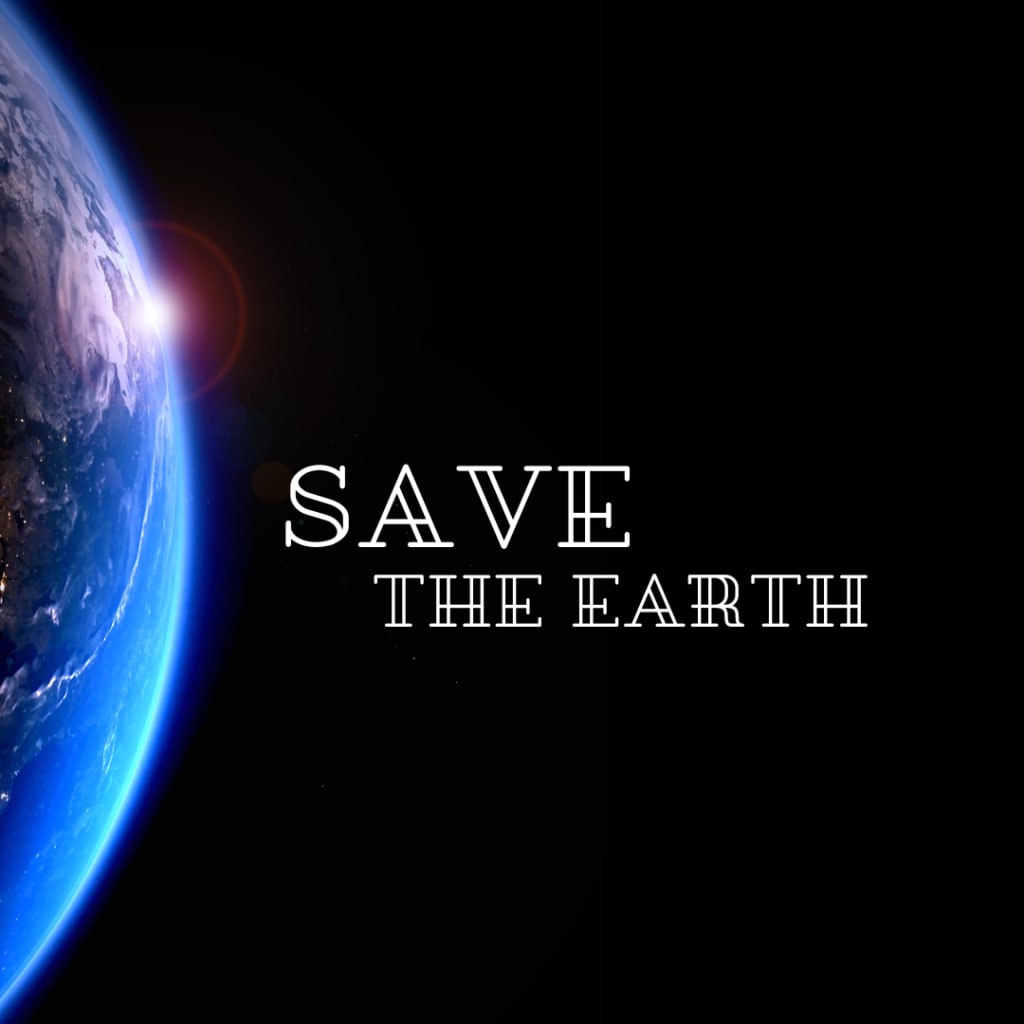
Mother Earth
Our mother earth is a beautiful and diverse place, filled with an incredible variety of plant and animal life, stunning landscapes, and diverse cultures. From the icy poles to the equatorial regions, earth is home to a wide range of ecosystems that support an amazing array of life.
At the heart of earth's beauty is its natural diversity. The planet is home to an estimated 8.7 million different species of plants, animals, and microorganisms, each adapted to live in their specific environment. From the towering redwood trees of California to the colorful coral reefs of the tropical oceans, earth's ecosystems are home to a stunning array of plant and animal life.
But earth's beauty is not just found in its natural landscapes. The planet is also home to a rich and varied cultural heritage, with people from all walks of life living together and sharing their traditions, beliefs, and customs. From the ancient pyramids of Egypt to the modern cities of the developed world, earth is a place where people from all corners of the globe come together to share their stories, cultures, and histories.
Despite its many wonders, earth is also a place of great challenges. The planet is facing a number of environmental and social issues that threaten its natural beauty and the well-being of its inhabitants. Climate change, pollution, overconsumption, and habitat destruction are just a few of the challenges facing earth and its inhabitants.
But despite these challenges, there is hope. Across the globe, people are working to protect and preserve earth's natural beauty, to mitigate the effects of climate change, and to create a more sustainable and equitable world. From grassroots environmental groups to international organizations, people are coming together to find solutions to some of the most pressing issues facing the planet.
As we look to the future, it is important to remember the incredible beauty and diversity of our mother earth, and to work together to protect it for future generations. Whether through conservation efforts, sustainable living practices, or simply by taking the time to appreciate and enjoy the natural world around us, there are many ways we can all play a part in protecting and preserving the planet we call home.
One of the things that makes earth such a unique and special place is the fact that it is the only known planet in the universe that is capable of supporting life. From the smallest microbe to the largest mammal, life on earth is diverse and abundant, with an estimated 8.7 million different species of plants, animals, and microorganisms.
But earth's diversity is not just limited to its plant and animal life. The planet is also home to a wide range of landscapes and environments, each with its own unique characteristics. From the frozen tundra of the Arctic to the steamy rainforests of the Amazon, earth's environments are as varied as they are beautiful.
One of the things that makes earth's environments so diverse is the fact that the planet is home to a wide range of climates, each with its own unique characteristics. From the hot, dry desert regions to the cold, snowy tundra, earth's climates support a wide range of plant and animal life, and help to make the planet a truly unique and special place.
Here are some interesting facts about earth:
Earth is the third planet from the sun and is the only known planet in the universe to support life.
Earth is the fifth largest planet in the solar system, and has an equatorial diameter of about 12,742 kilometers (7,917 miles).
Earth is the densest planet in the solar system, and is made up of a variety of elements including oxygen, carbon, silicon, and metals.
Earth has a single large natural satellite, the moon, which is about one-quarter the size of earth and orbits around it.
Earth has a protective magnetic field that helps to shield the planet from harmful solar radiation.
Earth has a diverse range of ecosystems, including forests, grasslands, deserts, and oceans.
The average temperature on earth is about 15 degrees Celsius (59 degrees Fahrenheit).
Earth is home to an estimated 8.7 million different species of plants, animals, and microorganisms.
Earth is the only known place in the universe where water exists in all three states (solid, liquid, and gas).
Earth is located in the Milky Way galaxy, which is a barred spiral galaxy containing an estimated 200 billion stars.
Earth is the third planet from the sun in our solar system, and is the only known planet to support life. The earth's distance from the sun is about 93 million miles (149.6 million kilometers), and it takes about 365.25 days for the earth to complete one orbit around the sun.
The earth is a terrestrial planet, meaning that it is a rocky planet with a solid surface. It has a diameter of about 12,742 kilometers (7,917 miles) at the equator and is the fifth largest planet in the solar system.
The earth is composed of a variety of elements, including oxygen, carbon, silicon, and metals. It has a metallic core, a mantle made of rock, and a thin crust made up of solid rock and soil. The earth's atmosphere is composed of 78% nitrogen, 21% oxygen, and trace amounts of other gases, including carbon dioxide and water vapor.
The earth has a single large natural satellite, the moon, which is about one-quarter the size of the earth and orbits around it. The moon's gravitational pull causes the earth's oceans to rise and fall, creating the tides.
The earth has a protective magnetic field that helps to shield the planet from harmful solar radiation. The earth's magnetic field is created by the movement of molten iron in the planet's core. It is this magnetic field that causes the auroras, or Northern and Southern Lights, to appear in the polar regions of the earth.
About the Creator
Keep reading
More stories from Ram Praveen and writers in Earth and other communities.
Moon Princess
Moon Princess Once upon a time, in a kingdom far, far away, there was a beautiful princess named Luna. She was known as the Moon Princess because of her bright, shining silver hair and her eyes that seemed to glow in the darkness like the moon. Luna was a kind and gentle princess, always ready to help those in need and bring peace and joy to her kingdom.
By Ram Praveen3 years ago in Fiction
High-Speed Train Crash in Southern Spain Leaves at Least 21 Dead
A devastating high-speed train crash in southern Spain has left at least 21 people dead and dozens injured, shocking the nation and triggering a major emergency response. The incident, which occurred on a busy rail route connecting key southern cities, has reignited concerns over railway safety, infrastructure maintenance, and emergency preparedness in one of Europe’s most advanced rail networks.
By Aarif Lashari40 minutes ago in Earth
Icy Chaos in Central and Eastern Europe
Winter has unleashed its fury across central and eastern Europe, leaving travelers frustrated and transport networks struggling to keep up. Over the past few days, freezing rain and ice have wreaked havoc on airports, train stations, and highways — forcing flight diversions, delaying trains, and making roads treacherously slippery. From Vienna to Budapest, Prague to Bratislava, this icy grip has brought travel to a near standstill. Let’s take a closer look at what’s happening, how it’s affecting people on the move, and what it tells us about winter travel in Europe. A Sudden Winter Blow A sudden wave of freezing rain swept across the region, coating runways, rail tracks, and roads with a dangerous layer of ice. Major airports in Austria, Hungary, Slovakia, and the Czech Republic were particularly affected. At Vienna International Airport, operations were temporarily suspended when runways became too slick for flights to land safely. Travelers already in the air had to divert to alternative airports in Munich, Frankfurt, and Venice. Meanwhile, Budapest’s Ferenc Liszt International Airport paused all arrivals and departures, and Prague’s Václav Havel Airport continued operating but at limited capacity. Trains Crawling Through Ice Rail networks weren’t spared. Across Austria, Hungary, and the Czech Republic, ice on tracks and power lines caused delays and cancellations. Austria’s national rail operator, ÖBB, urged passengers to postpone non-essential journeys. In the Czech Republic, travelers at Prague’s main station faced long waits as trains struggled to maintain schedules. Hungary’s tram and suburban rail services were temporarily suspended due to ice buildup on power lines. This combination of black ice, frozen switches, and heavy snowfall has tested the limits of winter infrastructure in Europe. Roads Turn Into Skating Rinks The icy weather didn’t just affect public transport — roads became treacherous, too. Authorities in Slovakia and the Czech Republic warned residents to avoid non-essential travel as highways turned into slippery skating rinks. Accidents and minor collisions were reported, and emergency services were busy responding to dozens of injuries from slips and falls. Even schools weren’t immune: parts of Romania shifted to online learning, keeping children safe during the extreme temperatures, which dropped to around -13°C in some areas. Why This Weather Is So Disruptive Meteorologists point to several factors that made this storm particularly severe: Freezing rain on top of existing snow creates an icy layer that’s extremely hard to clear. Rapidly refreezing surfaces make conditions unpredictable. Temperatures hovering around freezing prevent efficient melting during the day. This “perfect storm” scenario underscores just how vulnerable transport systems are to extreme weather. Even well-prepared airports and rail networks can struggle when weather transitions from snow to freezing rain. Voices From the Ground Passengers took to social media to express their frustration: Crowded airports as travelers scrambled to rebook flights. Train stations packed with delayed commuters, unsure when the next train would depart. Warming centers opened to provide shelter and hot drinks for stranded travelers. For many, a simple trip turned into a test of patience and resilience. Tips for Traveling in Freezing Conditions If you must travel during winter storms, experts recommend: Check flight and train schedules regularly, as delays can change quickly. Allow extra time for travel to avoid missing connections. Consider travel insurance that covers weather-related disruptions. If driving, carry winter essentials: blankets, food, water, and check road conditions before departure. Most importantly, prioritize safety over schedules — icy conditions can change rapidly, making travel risky. A Reminder From Winter This recent chaos in central and eastern Europe serves as a stark reminder of how interconnected transport systems are, and how vulnerable they can be to extreme weather. Flights grounded, trains stalled, and highways turned icy show that winter can bring travel to a halt — sometimes with very little warning. As Europe continues to face volatile winter conditions, travelers and authorities alike are reminded: preparation and flexibility are key. Sometimes, the weather truly has the final say. ❄️🛫🚆
By Muhammad Hassan4 days ago in Earth
Silver Screen Magic with Mae West
American actress and singer Mae West became a popular film actress during the Great Depression. She started entertaining in vaudeville, then performed on Broadway, and finally went to Hollywood. She signed up with Paramount Pictures and made her debut in the 1932 film “Night After Night.” She also starred in musicals, comedies, and crime dramas. The American Film Institute named her one of the best classic Hollywood actresses.
By Rasma Raisters5 days ago in Geeks


Comments
There are no comments for this story
Be the first to respond and start the conversation.