

The medium of exchange is a fundamental concept in economics and finance. It refers to anything that is widely accepted in transactions to facilitate the exchange of goods and services. Historically, various forms of mediums of exchange have been utilized, ranging from shells and beads to coins and banknotes, and in modern times, even digital currencies. This note will delve deeper into the importance, functions, and characteristics of the medium of exchange in economic systems.
One of the key functions of a medium of exchange is to overcome the limitations of barter, which is the direct exchange of goods or services without the use of money. Barter can be inefficient and cumbersome, as it requires a double coincidence of wants, meaning both parties involved in the transaction must desire what the other has to offer. The medium of exchange solves this problem by providing a universally accepted means to acquire goods and services.
The medium of exchange serves as a common unit of account, allowing for the measurement and comparison of the value of different goods and services. It provides a standard of value, enabling individuals to determine the worth of goods and make informed decisions about production, consumption, and investment. By establishing prices, the medium of exchange facilitates economic calculations and resource allocation.
Furthermore, the medium of exchange acts as a store of value. It allows individuals to hold wealth in the form of money, which can be saved and used for future purchases. Money as a store of value is desirable because it is generally accepted and retains its purchasing power over time. However, it is important to consider factors such as inflation and interest rates that can impact the value of money stored over extended periods.
The medium of exchange has several essential characteristics. Firstly, it must be widely accepted within a specific economy or community. Confidence in the medium of exchange is crucial for its effectiveness. Secondly, it should be portable and divisible to facilitate transactions of varying sizes. Physical currency, such as coins and banknotes, fulfills these characteristics by being easily transportable and available in different denominations.
In addition to physical currency, digital forms of money have emerged as mediums of exchange. Digital currencies, like Bitcoin and Ethereum, rely on cryptographic techniques and decentralized networks to enable secure transactions and store value electronically. These digital mediums of exchange offer advantages such as instant global transfers, lower transaction costs, and increased accessibility.
The creation and regulation of the medium of exchange are typically the responsibility of governments and central banks. Governments issue and control physical currency, ensuring its authenticity, uniformity, and stability. Central banks implement monetary policies to manage the money supply, influencing factors like inflation, interest rates, and economic stability. The effective management of the medium of exchange is vital for maintaining confidence in the currency and promoting economic growth
The medium of exchange plays a central role in economic systems and influences various aspects of society. It facilitates trade, supports economic transactions, and enables specialization and division of labor. Businesses rely on the medium of exchange to price their goods and services, while individuals depend on it to meet their daily needs and achieve their financial goals..
However, the medium of exchange is not without challenges and criticisms. Inflation, when the value of money decreases over time, erodes the purchasing power of individuals, particularly those with fixed incomes. Currency counterfeiting poses a threat to the integrity of the medium of exchange, necessitating security features and measures to combat illegal activities. Moreover, the unequal distribution of money within a society can lead to socioeconomic disparities and issues of economic inequality.
In conclusion, the medium of exchange is a vital concept in economics and finance. It enables the efficient exchange of goods and services, acts as a common unit of account, and serves as a store of value. Whether in the form of physical currency or digital currencies, the medium of exchange plays a crucial role in economic systems, facilitating transactions, promoting economic growth, and impacting the lives of individuals and communities.
About the Creator
Keep reading
More stories from ADJEI GIDEON and writers in Earth and other communities.
Orange Tears
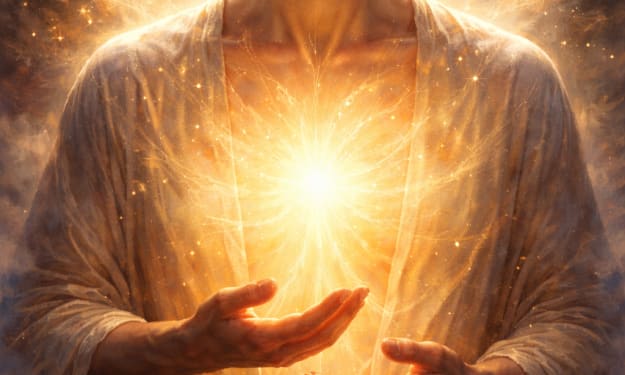
Onceupon a time in a charming village nestled among lush orange groves, lived a young girl named Amber. Amber had a peculiar gift that allowed her to sense and understand the emotions of others by simply touching an orange. Her connection with the fruit was so strong that she could uncover the stories and feelings hidden within each piece of citrus.
By ADJEI GIDEON3 years ago in Earth
Pakistan and China Seek to Boost Bilateral Agricultural Trade
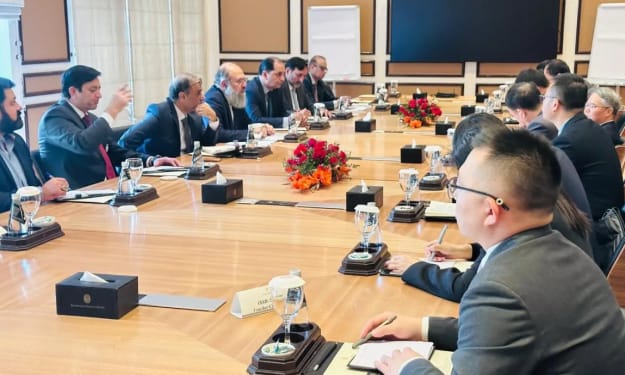
Pakistan and China are taking steps to enhance their bilateral agricultural trade, reflecting a growing focus on food security, technological exchange, and economic cooperation. This initiative comes as both countries look to strengthen ties within the framework of the China-Pakistan Economic Corridor (CPEC) and broader trade agreements, while addressing domestic and global challenges in the agricultural sector.
By Muhammad Hassan5 days ago in Earth
Global Aerosol Paints Market Forecast 2025–2033
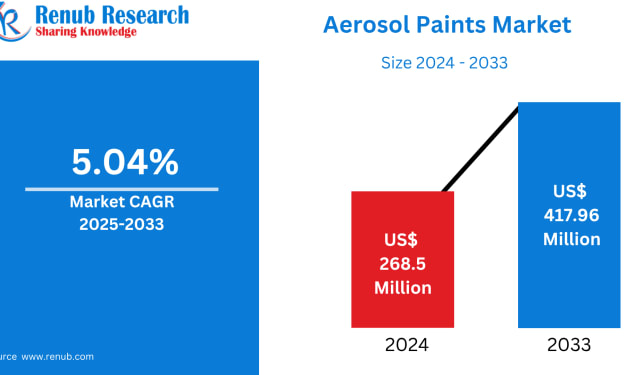
Introduction The global aerosol paints market is steadily transforming from a niche convenience product into a mainstream coating solution used across industries, homes, and creative spaces. In 2024, the market was valued at USD 268.5 million, and it is projected to reach USD 417.96 million by 2033, expanding at a CAGR of 5.04% during 2025–2033, according to Renub Research. This growth is driven by the convergence of DIY culture, automotive customization, construction activity, and industrial maintenance needs, alongside innovation in eco-friendly formulations and application technologies.
By Aaina Oberoi4 days ago in Earth

Comments
There are no comments for this story
Be the first to respond and start the conversation.