
Mars: Humanity’s Greatest Frontier – What We’ve Discovered So Far
"From ancient riverbeds to potential signs of life, here’s what we know about the Red Planet."

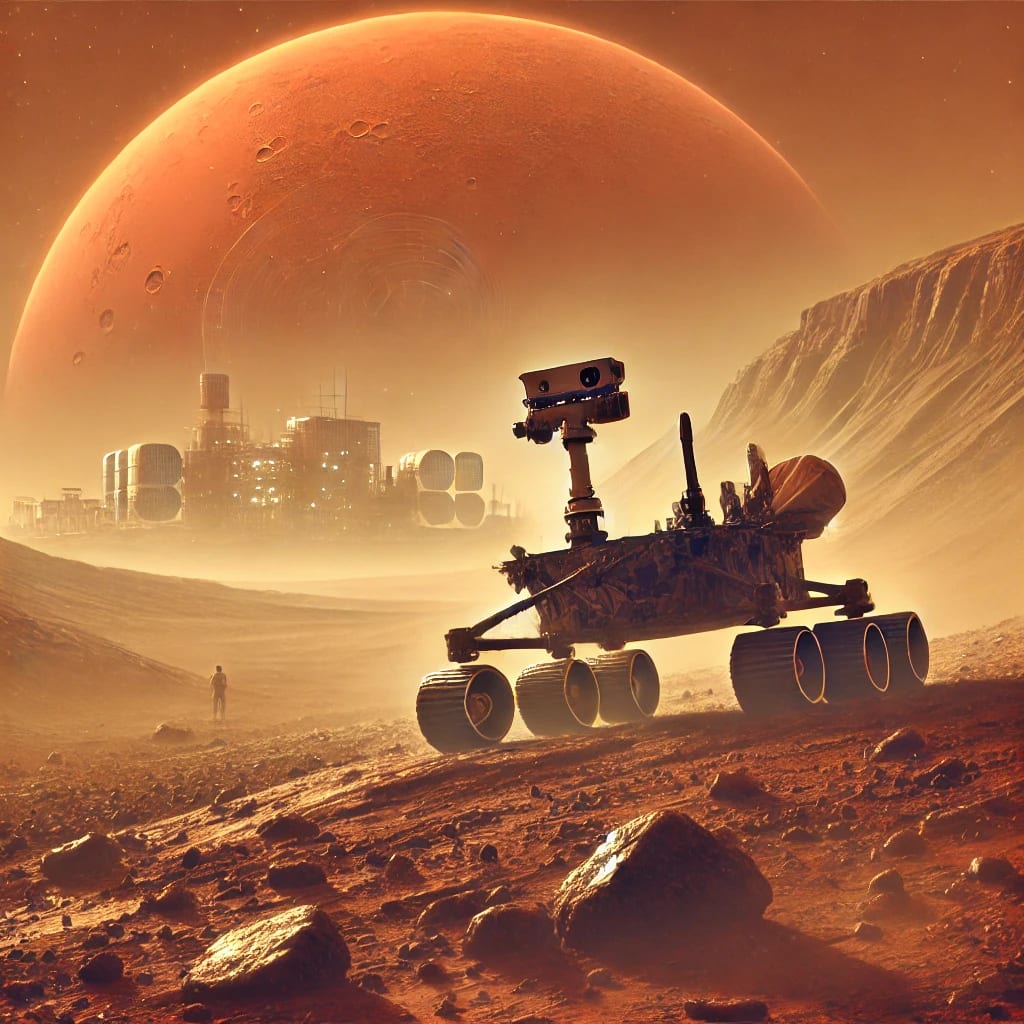
For centuries, Mars has been a beacon of curiosity for humankind. The Red Planet, shrouded in myths, legends, and scientific intrigue, has fascinated astronomers, dreamers, and space explorers alike. But beyond the poetic musings about a potential second home for humanity, Mars has been the site of groundbreaking scientific discoveries that reshape our understanding of the universe. From the earliest telescope observations to the latest high-tech rovers roaming its rusty surface, Mars has slowly but surely revealed its secrets. Let’s take a deep dive into what we’ve found so far.
Early Observations and the Mars Craze
Long before NASA’s robotic scouts set wheels on Martian soil, astronomers like Galileo Galilei were among the first to observe Mars through telescopes. By the late 19th century, astronomers such as Giovanni Schiaparelli and Percival Lowell popularized the idea that Mars had canals, hinting at the possibility of intelligent life. While we now know these so-called canals were optical illusions, the fascination with Mars only grew stronger.
The 20th century ushered in the era of space exploration. The Soviet Union’s Mars 3 in 1971 became the first spacecraft to land on Mars (though it stopped transmitting 110 seconds after touchdown). Meanwhile, NASA’s Mariner 4 flyby in 1965 shattered hopes of a habitable Mars, revealing a barren, cratered world much like the Moon.
But that was just the beginning.
Major Discoveries from Mars Missions
1. The Search for Water - Wet and Wild Past
One of the most significant discoveries in Mars exploration is the confirmation that the planet once had liquid water. In 2004, NASA’s Opportunity and Spirit rovers found evidence of ancient riverbeds, indicating that Mars was once warm and wet, possibly hosting lakes and even an ocean. More recently, the Perseverance rover has been exploring the Jezero Crater, believed to be a dried-up lakebed where microbial life might have thrived billions of years ago.
The European Space Agency’s Mars Express Orbiter added another thrilling discovery in 2018: a subglacial lake beneath the planet’s south polar ice cap, hinting that liquid water might still exist beneath the surface.
2. Signs of Life – The Organic Puzzle
While no definitive evidence of life has been found, NASA’s Curiosity rover made a stunning discovery in 2018: organic molecules preserved in ancient rocks. These molecules are the building blocks of life, and their presence suggests that Mars might have been hospitable to microbial life in the past.
Additionally, seasonal methane spikes detected in the Martian atmosphere have fueled speculation that some form of life—possibly microbial—might still exist beneath the surface.
3. The Red Planet’s Climate Mysteries
Mars today is a frigid desert, with temperatures plunging as low as -125°C (-195°F) at night. However, evidence suggests that billions of years ago, its atmosphere was thick enough to support liquid water. Scientists believe that Mars lost its magnetic field early in its history, allowing solar wind to strip away most of its atmosphere, transforming it into the barren world we see today.
Data from the MAVEN (Mars Atmosphere and Volatile EvolutioN) mission has helped piece together this climatic puzzle, revealing how Mars transitioned from a potentially habitable planet to its current harsh state.
4. The Quest for Human Colonization
As exciting as past discoveries are, Mars remains the ultimate goal for future human exploration. The Perseverance rover is currently collecting rock samples that could be brought back to Earth in the upcoming Mars Sample Return mission. Meanwhile, Elon Musk’s SpaceX envisions a future where humans set foot on Mars within the next decade.
NASA’s Artemis program, while focused on the Moon, serves as a stepping stone for eventual Mars missions. If successful, humanity may one day live on Mars, turning science fiction into reality.
What’s Next for Mars Exploration?
The future of Mars exploration is bright, with multiple upcoming missions set to answer the lingering questions about the planet’s past, present, and potential for life. Some of the most anticipated projects include:
NASA’s Mars Sample Return mission (expected in the 2030s), which aims to bring back rock samples for in-depth analysis on Earth.
China’s Tianwen-3 mission, which plans a similar sample return effort.
The first crewed missions to Mars, potentially launched by SpaceX or NASA by the 2040s.
With each passing mission, we step closer to unraveling the greatest mystery of all: Are we alone in the universe, or has life existed beyond Earth?
Conclusion: The Red Planet Beckons
Mars remains one of the most tantalizing destinations in the solar system. Each mission uncovers more about its history, climate, and potential for life. From dried-up riverbeds to mysterious methane emissions, the discoveries made so far have only fueled our curiosity further.
Whether Mars was once home to ancient microbial life or will serve as humanity’s next great home, one thing is certain—our exploration of the Red Planet is only just beginning.
About the Creator
Ahmet Kıvanç Demirkıran
As a technology and innovation enthusiast, I aim to bring fresh perspectives to my readers, drawing from my experience.
Keep reading
More stories from Ahmet Kıvanç Demirkıran and writers in Earth and other communities.
What If Bees Never Existed?
A World Without Bees: The Silent Collapse Bees are small, but their impact on the planet is enormous. These buzzing insects are responsible for pollinating around 75% of the world’s flowering plants, including nearly 35% of global food crops. Without them, entire ecosystems would be thrown into chaos. But what if bees had never existed? What would the world look like today?
By Ahmet Kıvanç Demirkıran11 months ago in Earth
Severe Cold Grips the Country as Hunza Records −21°C: Pakistan Faces a Deep Winter Freeze
A powerful cold wave has swept across Pakistan, plunging temperatures to alarming lows and turning daily life into a test of endurance for millions. The northern region of Hunza has recorded a bone-chilling −21°C, marking one of the coldest temperatures of the season and drawing national attention to the intensity of this winter. As icy winds cut through valleys and plains alike, the country is experiencing a severe cold spell that is affecting health, travel, agriculture, and energy supplies. Hunza at the Center of the Freeze Hunza, known worldwide for its breathtaking landscapes and serene beauty, has transformed into a frozen world. At −21°C, rivers partially freeze, roads become slippery, and even routine activities turn risky. Residents of the valley, though accustomed to harsh winters, describe this cold as unusually intense. Water pipelines have frozen solid, livestock require special care, and heating resources are stretched to their limits. Despite the extreme conditions, life continues. Locals rely on traditional methods of insulation, wood-burning stoves, and community cooperation to survive the cold nights. However, the severity of the temperature has raised concerns about vulnerable groups, including the elderly, children, and those living in remote areas with limited access to fuel and medical facilities. Cold Wave Spreads Across Pakistan While Hunza sits at the epicenter of the cold, the effects are being felt nationwide. Gilgit-Baltistan and parts of Khyber Pakhtunkhwa are experiencing sub-zero temperatures, while major cities like Islamabad, Lahore, and Karachi are facing unusually cold mornings and dense fog. In the plains, nighttime temperatures have dropped sharply, catching many residents off guard. The Pakistan Meteorological Department has warned that the cold wave may persist, driven by continental air systems moving southward. These systems not only lower temperatures but also increase the risk of frost, fog, and icy conditions on highways, disrupting travel and trade. Impact on Daily Life and Health Severe cold brings serious health risks, particularly for those without adequate shelter or heating. Hospitals in colder regions report an increase in patients suffering from hypothermia, respiratory infections, and flu-like illnesses. Doctors advise people to stay warm, avoid unnecessary exposure to cold, and ensure proper ventilation when using indoor heaters to prevent carbon monoxide poisoning. In urban areas, gas shortages and power outages have intensified the struggle. Many households face limited gas supply during peak morning and evening hours, forcing families to rely on electric heaters or alternative fuels. This increased demand places additional pressure on the national power grid, raising the risk of load shedding. Agriculture and Livelihoods Under Threat The cold wave poses a significant threat to agriculture, particularly winter crops and orchards. Frost can damage wheat fields, vegetables, and fruit trees, potentially impacting yields and farmers’ incomes. In northern areas, livestock owners are working hard to protect animals from the cold, as freezing temperatures can lead to illness and even death among cattle and sheep. Tourism, a vital source of income for regions like Hunza, has also been affected. While some tourists are drawn by the snow-covered scenery, many trips have been canceled due to dangerous road conditions and travel advisories. Local businesses, already facing economic challenges, are feeling the strain of reduced visitor numbers. Government Response and Preparedness Authorities across Pakistan have issued cold weather alerts and advisories, urging citizens to take precautionary measures. Disaster management agencies are monitoring the situation, particularly in northern and mountainous regions where access can be cut off due to snow and ice. Emergency services have been placed on high alert, and local administrations are working to ensure the availability of fuel, food supplies, and medical assistance. However, experts stress that long-term planning is essential, as extreme weather events are becoming more frequent due to climate change. Climate Change and Extreme Winters Meteorologists and climate scientists point out that while Pakistan has always experienced cold winters, the increasing intensity and unpredictability of such cold waves may be linked to broader climate patterns. Shifts in jet streams and changing atmospheric circulation can result in extreme cold spells in regions not always prepared for them. These events highlight the need for improved infrastructure, better energy management, and stronger disaster preparedness strategies to protect vulnerable populations. Resilience in the Face of the Cold Despite the freezing temperatures, stories of resilience continue to emerge. Communities in Hunza and other cold-hit areas are supporting one another, sharing firewood, food, and shelter. Volunteers and local organizations are stepping in to help those most in need, proving once again the strength of communal bonds in times of hardship. Conclusion As severe cold grips Pakistan and Hunza records a staggering −21°C, the country faces a challenging winter marked by health risks, energy shortages, and economic strain. Yet, amid the icy conditions, resilience and solidarity shine through. This cold wave serves as a reminder of nature’s power and the importance of preparedness, cooperation, and compassion in overcoming even the harshest winters.
By Fiazahmedbrohi a day ago in Earth




Comments (1)
Really interesting. I have always been interested in space and planets etc well done on your story ✍️🏆⭐️⭐️⭐️⭐️