
What If Bees Never Existed?
Would the World Survive Without These Tiny Pollinators?


A World Without Bees: The Silent Collapse
Bees are small, but their impact on the planet is enormous. These buzzing insects are responsible for pollinating around 75% of the world’s flowering plants, including nearly 35% of global food crops. Without them, entire ecosystems would be thrown into chaos. But what if bees had never existed? What would the world look like today?
The Immediate Consequences: A Sudden Food Crisis
If bees suddenly disappeared, the first major impact would be on agriculture. Crops like apples, almonds, blueberries, cucumbers, and coffee rely heavily on bee pollination. Without bees, yields would drop drastically, making these foods scarce and expensive.
Other pollinators like butterflies, bats, and birds could take on some of the work, but they wouldn’t be able to match the efficiency of bees. Farmers would be forced to hand-pollinate crops, a slow and expensive process that would drive up food prices worldwide. This could lead to food shortages, particularly in regions that depend on bee-pollinated crops.
The Domino Effect on Wildlife
Bees don’t just support human food production; they play a crucial role in natural ecosystems. Many wild plants rely on bees for pollination, and without them, these plants would struggle to reproduce. Over time, this would lead to declining plant populations, reducing food sources for herbivorous animals like deer, rabbits, and insects.
As plant life diminishes, so would the creatures that depend on it, leading to cascading effects throughout the food chain. Predatory species that rely on plant-eating animals would struggle as their food sources vanish. Eventually, entire ecosystems could collapse due to this disruption in the natural balance.
The Disappearance of Honey and Its Implications
Without bees, honey would cease to exist. Honey has been a staple food and medicine for thousands of years, valued for its antibacterial and antioxidant properties. Losing honey wouldn’t just be a culinary loss—it would also remove an important natural remedy used in traditional medicine around the world.
Additionally, the economic impact would be significant. The beekeeping industry provides livelihoods for millions of people, from honey producers to farmers who depend on managed hives for crop pollination. Without bees, entire industries would collapse, leading to economic instability.
Aesthetic and Cultural Loss
Beyond their ecological and economic importance, bees have played a role in human culture, art, and mythology for centuries. Many ancient civilizations, including the Egyptians and Greeks, viewed bees as sacred symbols of productivity and harmony. Their disappearance would not only alter the physical world but also erase a part of human heritage and storytelling.
Flowers, too, would suffer. Many plants have evolved to attract bees with bright colors and sweet nectar, ensuring effective pollination. Without bees, these flowers might disappear or adapt in different ways, leading to a shift in the appearance of meadows, forests, and gardens worldwide.
Would Other Pollinators Replace Bees?
Some might argue that other insects, such as butterflies and beetles, could take over pollination duties. While these creatures do contribute, they lack the efficiency and large numbers needed to sustain global agriculture at its current level. Bees are uniquely adapted for pollination, with specialized body structures that allow them to collect and distribute pollen more effectively than any other insect.
Furthermore, some crops, such as almonds and certain fruits, rely almost exclusively on bee pollination. Without bees, these crops would either drastically decline or require costly artificial pollination methods, further increasing food prices and reducing global food security.
Could Humans Survive Without Bees?
While life would continue without bees, human civilization as we know it would face significant challenges. The loss of major food crops would lead to widespread dietary changes, forcing people to rely more on wind-pollinated plants like wheat, rice, and corn. While these staple crops would still be available, the diversity of our diets would shrink, leading to potential nutritional deficiencies.
Food shortages and rising prices could cause economic instability, particularly in developing nations that rely heavily on agriculture. Some regions might adapt by shifting to alternative crops, but others would struggle to compensate for the loss.
The Bigger Picture: Bees and Climate Change
Bees play a vital role in maintaining biodiversity, which helps ecosystems withstand environmental changes, including climate fluctuations. With fewer pollinated plants, carbon sequestration could be affected, making it harder for forests and grasslands to absorb CO₂. This could accelerate climate change, creating further ecological and agricultural challenges.
Can We Prevent This Future?
While this article explores a world without bees, the reality is that bee populations are already in decline due to habitat loss, pesticide use, climate change, and disease. If we don’t take action, we may find ourselves facing many of these consequences in the near future.
Fortunately, there are ways to protect and support bee populations:
Reducing Pesticide Use: Harmful chemicals weaken bee populations. Opting for organic farming and bee-friendly pesticides can help.
Planting More Flowers: Increasing floral diversity in urban and rural areas provides food sources for bees.
Supporting Local Beekeepers: Buying honey from sustainable sources helps keep the industry alive.
Raising Awareness: Educating people about the importance of bees can drive collective action toward conservation efforts.
Final Thought: A World Without Bees Is a World in Crisis
If bees had never existed, the world would be a much different place—one with fewer plants, scarcer food, and weaker ecosystems. While other pollinators might help, they wouldn’t fully replace bees' critical role in maintaining biodiversity and food security.
Instead of imagining a world without bees, we should focus on protecting the ones we still have. Our future depends on their survival, and ensuring their well-being is not just an environmental issue—it’s a matter of global stability and food security.
About the Creator
Ahmet Kıvanç Demirkıran
As a technology and innovation enthusiast, I aim to bring fresh perspectives to my readers, drawing from my experience.
Keep reading
More stories from Ahmet Kıvanç Demirkıran and writers in Earth and other communities.
What If Humans Never Existed?
A World Without Humans: The Ultimate Thought Experiment Imagine a world where humans never existed. No cities, no roads, no pollution, no skyscrapers piercing the sky. What would Earth look like? Would it be a paradise, untouched and flourishing, or would nature itself struggle without human intervention? Let’s explore what would happen if humanity had never set foot on this planet.
By Ahmet Kıvanç Demirkıran11 months ago in Earth
Police Warn Against ‘Ridiculous’ Parking at Beauty Spot Amid Snow Disruption
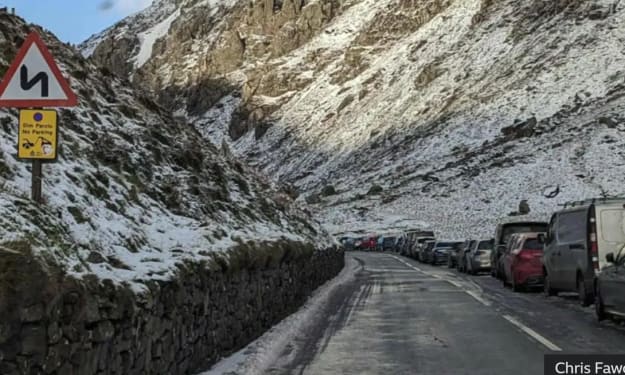
Heavy snowfall may transform beauty spots into winter wonderlands, but it also brings serious risks when visitors ignore basic safety and parking rules. Police have issued a strong warning against what they describe as “ridiculous” parking at a popular beauty spot, after snow disruption led to blocked roads, stranded vehicles, and delayed emergency access. As wintry conditions continue to affect travel, authorities are urging the public to prioritise safety over scenic photographs, reminding drivers that poor parking decisions can have life-threatening consequences during severe weather. Snowfall Turns Scenic into Hazardous The recent spell of snow attracted large numbers of visitors eager to enjoy picturesque landscapes blanketed in white. Hillsides, national parks, and rural viewpoints quickly became hotspots for walkers, families, and amateur photographers. However, police say the surge in visitors coincided with widespread parking chaos. Cars were left abandoned on narrow roads, grass verges, gateways, and even blocking access routes meant for emergency vehicles and local residents. What may appear to drivers as a harmless decision to “park for just a few minutes” can quickly escalate into a major safety issue—especially when snow and ice reduce road space and visibility. Police Response and Public Warning Local police forces have taken to social media and public statements to express frustration at the situation. Officers described some parking behaviour as not only irresponsible but dangerous, particularly given the weather conditions. Police warned that emergency vehicles, including ambulances and mountain rescue teams, were struggling to reach areas due to blocked roads. In severe weather, response times are already under pressure, and illegally parked vehicles can mean the difference between life and death. Authorities have also made it clear that enforcement action will be taken where necessary. Drivers risk fines, towing, and penalty points if their vehicles obstruct roads or endanger others. Impact on Emergency Services One of the most serious consequences of poor parking during snow disruption is its impact on emergency services. Narrow rural roads, already difficult to navigate in icy conditions, become completely impassable when cars are parked irresponsibly. Fire crews, paramedics, and rescue teams rely on clear access routes, particularly in popular beauty spots where accidents such as slips, falls, or stranded walkers are more likely in winter conditions. Police stressed that emergency vehicles do not have the luxury of “finding another way around” when roads are blocked. Delays caused by inconsiderate parking put both responders and the public at risk. Local Residents Left Frustrated It is not only emergency services that are affected. Residents living near popular beauty spots often bear the brunt of snow-related disruption. Driveways are blocked, access to homes becomes difficult, and essential journeys for work, medical appointments, or supplies are delayed. Many locals report feeling ignored by visitors who treat rural communities like seasonal attractions rather than lived-in areas. During winter weather, this frustration is magnified, as residents may already be dealing with power outages, poor road conditions, and limited access to services. Police have echoed these concerns, reminding visitors that beauty spots are often surrounded by working communities, not just open spaces for leisure. Why Snow Makes Parking More Dangerous Snow significantly reduces road safety margins. It narrows carriageways, hides road markings, and makes verges unstable. A car parked partly on a road might seem manageable in normal conditions, but in snow it can create blind corners, force vehicles into oncoming traffic, or cause skidding accidents. Additionally, snowploughs and gritters require space to operate effectively. Poorly parked vehicles can prevent these essential services from clearing roads, prolonging disruption for everyone. Authorities warn that even experienced drivers can underestimate how quickly conditions can change in winter weather. Social Media and the “Snow Day” Effect Police have also pointed to social media as a contributing factor. Viral images of snow-covered landscapes often encourage spontaneous trips without proper planning. People see beautiful photos and head out without considering parking availability, road conditions, or weather warnings. This “snow day” mentality can overwhelm rural infrastructure not designed for large volumes of traffic, particularly during adverse weather. Police urge visitors to check local advice before travelling and to be prepared to turn back if conditions are unsafe. Advice for Safe Winter Visits In response to the ongoing disruption, authorities have shared clear guidance for anyone planning to visit beauty spots during snowy conditions: Avoid unnecessary travel during severe weather warnings Park only in designated areas, never on roads or verges Do not block gateways, tracks, or emergency access routes Check weather and road conditions before setting off Be prepared to leave if parking is unavailable Police emphasise that no photograph or short walk is worth risking lives or causing serious disruption. Enforcement and Accountability While officers prefer to rely on public cooperation, they have confirmed that enforcement will be stepped up if irresponsible behaviour continues. Vehicles may be ticketed or removed, particularly if they pose a danger or obstruction. Authorities stress that enforcement is not about spoiling enjoyment but about ensuring public safety. Winter conditions demand higher levels of responsibility from drivers, not less. A Shared Responsibility Snow transforms landscapes, but it also tests public behaviour. Police warnings against “ridiculous” parking are not just expressions of frustration—they are urgent reminders that safety must come first. Enjoying nature is a privilege, not a right, especially during extreme weather. By parking responsibly and respecting local communities, visitors can help ensure that beauty spots remain accessible, emergency services remain effective, and winter days do not turn into preventable disasters. As snow disruption continues, the message from police is clear: think before you park, or don’t park at all
By Muhammad Hassan3 days ago in Earth
How Wind Energy Works: A Closer Look with Stanislav Kondrashov
As the world pushes further into the 21st century, the demand for sustainable and clean sources of energy has never been greater. At the heart of this shift is wind energy—a technology as old as the first sailboat, yet as modern as the towering turbines dotting coastlines and countrysides. Stanislav Kondrashov, an independent energy researcher and commentator, has long studied the mechanics and potential of wind power. His insights help demystify what’s often seen as a complex system driven by forces we can’t see.
By Stanislav Kondrashov 5 days ago in Earth



Comments
There are no comments for this story
Be the first to respond and start the conversation.