Latest Stories
Most recently published stories in Earth.
10 Driest Places on Earth
10 Driest Places on Earth The fact that 71% of the Earth is made up of water is fantastic because it is essential for our survival. However, some regions fall under the category of hyper-arid deserts since they often receive less than 0.09 inches (2 millimeters) of precipitation annually. Even worse, some regions endure for years without receiving any rain, rendering them essentially uninhabitable. Amazingly, deserts cover 35% of the planet's surface, making them larger than you may imagine. Let's look at 10 of the driest locations on the planet.
By Paul Smith3 years ago in Earth
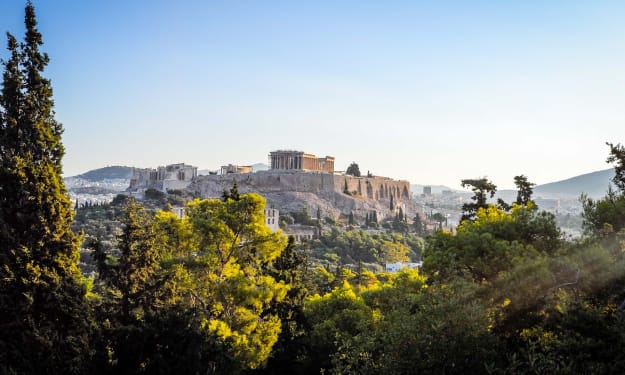
What happened to the Bronze Age?
Recently, I came across a great article about the findings of an ancient lake which showed a great drought during the end of the Bronze Age. It is an event which has many people discussing what really did happen to bring that age to an end. Some suggested the emergence of a great sea peoples, some say it was volcanoes and earthquakes. It could have been the lack of materials to build any more. A shipwreck was also discovered recently showing a cargo full of tin necessary for the bronze age. Geologically the composition showed that it came from a long way away and far from the Mycenean city states. This suggests that they were running out of materials and couldn’t sustain their civilization.
By Jennifer Allen3 years ago in Earth
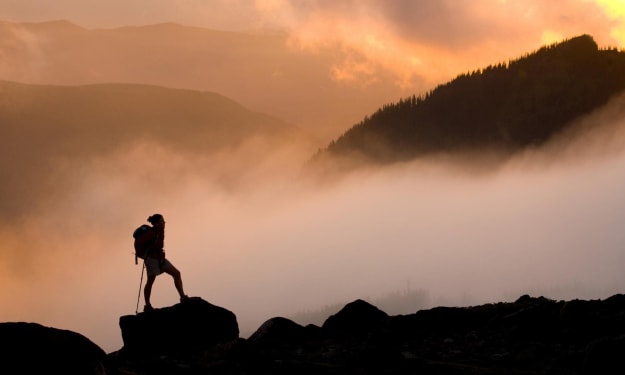
Top 10 hiking trails in the United States
The United States is home to some of the most beautiful and diverse hiking trails in the world. From lush forests and rugged coastlines to towering mountains and expansive deserts, there is a trail for every type of adventurer.
By William Davis3 years ago in Earth
Carbon Footprint Consultant In India
Carbon Footprint The total quantity of greenhouse gas emissions from the manufacture, use, and disposal of a good or service is its "carbon footprint." It consists of fluorinated gases, methane, nitrous oxide, and carbon dioxide, which trap heat in the atmosphere and contribute to global warming. Carbon dioxide is the gas that humans emit most frequently. The primary sources of a person's carbon footprint are often their transportation, housing, and food.
By agile advisor3 years ago in Earth
Hydroponics at home. Advantages and disadvantages
Unusual methods of growing plants always attract enthusiastic gardeners. The hydroponic buckets is especially popular. A fairly young method with high efficiency is hydroponics. How to grow plants on hydroponics at home?
By joseseh2553 years ago in Earth
Tips for Reducing the Carbon Footprint of Your Small Business
As natural disasters continue to intensify across the world, it’s clear that the effects of climate change are well underway. While we can’t undo the damage that’s already been done, it’s critical for every business and individual to do their part in preventing further climate warming.
By andrewdeen143 years ago in Earth