
Key Industries for Wood Charcoal Production
From traditional applications to emerging use

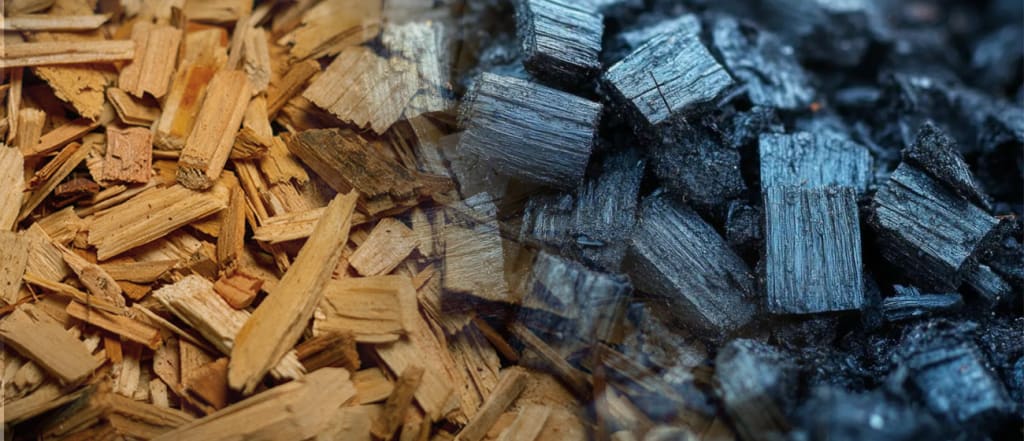
Wood charcoal has a long history of use across various industries due to its versatility, high energy content, and environmentally friendly properties. As a renewable resource, wood charcoal is a valuable commodity in several sectors. From traditional applications to emerging uses, its role has grown significantly, particularly with the shift towards more sustainable industrial practices. Below are several industries where wood charcoal production is essential and where its benefits are increasingly recognized.
1. Metallurgical Industry
The metallurgical industry is one of the primary consumers of wood to charcoal machine, particularly in the production of iron and steel. Wood charcoal serves as a reducing agent in furnaces, helping to convert iron ore into molten iron. Its ability to withstand high temperatures and provide a steady carbon source makes it an invaluable resource in the reduction process. In addition, the low sulfur content of wood charcoal makes it ideal for applications where impurities in the final product must be minimized. The use of wood charcoal in metallurgy not only enhances the quality of the produced metals but also supports cleaner production processes compared to traditional coal.
2. Chemical Industry
The chemical industry benefits from wood charcoal through its use as a raw material in various applications, such as activated carbon production. Activated charcoal, derived from wood, is used extensively in air and water purification systems, as well as in medical treatments for poison ingestion. The porous structure of activated carbon allows it to adsorb toxins and contaminants effectively. Moreover, wood charcoal finds applications in the production of chemicals like methanol and acetic acid, where it serves as a catalyst or feedstock. The sustainable nature of wood charcoal makes it an attractive option for companies seeking greener alternatives to traditional chemical production methods.
3. Agriculture and Horticulture
Wood charcoal, in the form of biochar, plays a significant role in modern agriculture and horticulture. Biochar is used as a soil amendment, enhancing soil fertility and water retention while promoting healthy root growth. When incorporated into the soil, biochar helps improve nutrient availability and reduces soil acidity, making it beneficial for a wide range of crops. Additionally, biochar has the potential to sequester carbon, making it a valuable tool in mitigating climate change. As agricultural practices evolve towards sustainability, the use of wood charcoal as biochar is becoming more prevalent, providing both economic and environmental benefits.
4. Energy Production
Wood charcoal has long been used as a renewable fuel source, particularly in areas where other energy resources may be scarce. The high calorific value of wood charcoal makes it an efficient fuel for cooking, heating, and even electricity generation in certain applications. In developing regions, charcoal remains an essential energy source for households and small-scale industries. Moreover, wood charcoal’s low emissions when compared to traditional fossil fuels make it a more environmentally friendly alternative, aligning with global efforts to reduce carbon footprints. Its role in bioenergy is gaining recognition as part of the broader transition to renewable energy sources.
5. Food and Beverage Industry
The food and beverage industry, particularly in grilling and smoking, is a significant consumer of wood charcoal. Charcoal is used to provide the heat source for cooking meat, vegetables, and other foods, imparting a distinctive smoky flavor that is highly desirable in barbecuing and grilling applications. Various types of wood charcoal, such as lump charcoal and briquettes, are selected based on the type of cooking process and the specific flavor profile desired. The demand for premium, natural charcoal is on the rise as consumers increasingly seek cleaner, chemical-free products for their cooking needs.
6. Environmental and Waste Management
The production of wood charcoal is not limited to traditional uses in cooking or metallurgy; it is also becoming a critical part of waste management practices. In particular, the pyrolysis of organic waste materials, such as agricultural residues, wood chips, and even certain types of plastic, can yield both biochar and energy. This process offers a sustainable solution to waste disposal while also providing valuable by-products that can be used in other industries. As the world continues to face growing waste management challenges, the integration of wood charcoal production into waste-to-energy systems presents a promising opportunity to close the loop on waste.
7. Art and Craft Industries
Wood charcoal has applications in the art and craft industries, especially for artists working with drawing materials. Charcoal pencils and sticks are commonly used in fine art, offering artists a rich, deep black color and a range of textures. Beyond traditional drawing, charcoal is also utilized in sculpture and other forms of artistic expression. The lightweight and versatile nature of wood charcoal makes it easy to manipulate and mold, contributing to its appeal in artistic circles. In addition, the historical use of charcoal as a drawing medium adds a layer of cultural significance to its continued use.
8. Pharmaceutical Industry
Wood charcoal is occasionally used in the pharmaceutical industry for specific applications. It serves as an active ingredient in certain types of medication, particularly those used to treat poisoning and overdose. The porous structure of charcoal adsorbs toxins and chemicals in the gastrointestinal tract, helping to prevent further absorption into the bloodstream. It is also utilized in the production of medicines that require detoxifying agents. Although this use is relatively niche, it highlights the versatility of wood charcoal across different sectors.
About the Creator
Keep reading
More stories from Wayne Shen and writers in Earth and other communities.
Rubber Reorganization in Tire Pyrolysis
Tire pyrolysis is a highly effective method for recycling used tires, converting them into valuable products such as oil, gas, and char. One of the key mechanisms driving the process is the reorganization of rubber components within the tire. Understanding how rubber reorganizes during pyrolysis is essential for optimizing the efficiency of a pyrolysis plant and enhancing the quality of the resulting by-products. The rubber in tires, primarily composed of a complex blend of synthetic and natural rubber, undergoes a series of chemical transformations when subjected to high temperatures in the absence of oxygen.
By Wayne Shen10 months ago in Earth
Global Agreement to Limit Greenhouse Gases Enters into Force
A major step in the global fight against climate change has begun as countries around the world start implementing a landmark agreement designed to limit greenhouse gas emissions. The agreement represents years of negotiations, scientific warnings, and increasing public concern about the growing impacts of global warming on ecosystems, economies, and human life.
By Irshad Abbasi 4 days ago in Earth
Early March 2026: 4 Goals Accomplished
It's early March and I've now accomplished my 4th writing goal for the year of 2026. Before diving into the behind-the-scenes of it... why not tell you up front what that accomplishment was? I was published in a 2nd publication for this year. Published in Helix Literary Magazine out of Central Connecticut State University. You can read it for free right now!
By Stephen Kramer Avitabile7 days ago in Writers




Comments
There are no comments for this story
Be the first to respond and start the conversation.