
Ishikawa Prefecture – A Land of Beauty, Culture, and Recent Challenges
Exploring the rich traditions, scenic wonders, and resilience of Ishikawa in the face of modern hardships.

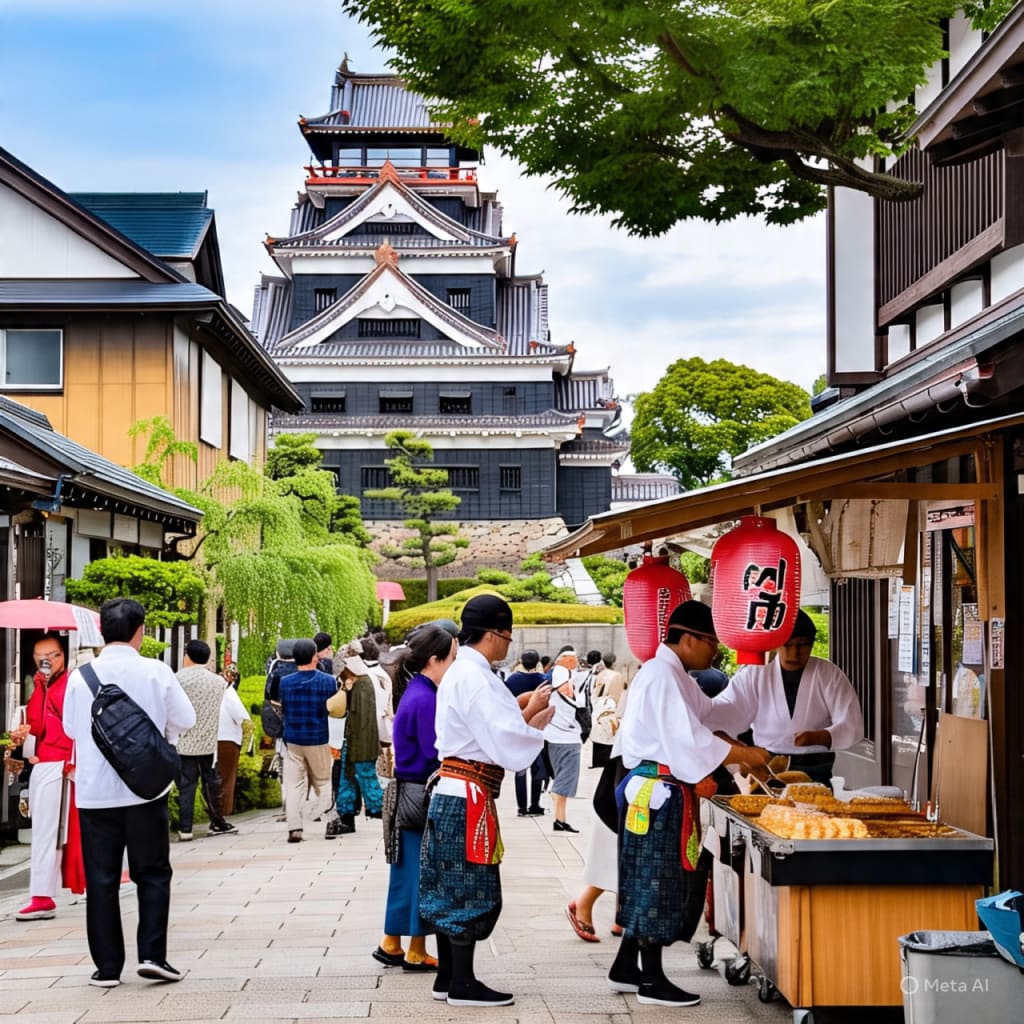
Ishikawa Prefecture is a beautiful region located on the western coast of Japan’s Honshu Island. Known for its rich culture, traditional crafts, and scenic beauty, Ishikawa has always been a place of interest for both tourists and locals. However, in recent months, Ishikawa has also faced serious weather challenges that have affected many residents.
This article provides an overview of Ishikawa Prefecture, its importance, recent updates, and the ongoing efforts to recover from the recent natural disasters.
Geography and Location
Ishikawa Prefecture is part of the Chūbu region and lies along the Sea of Japan. Its capital city is Kanazawa, a historical and cultural center. The prefecture has mountains in the south and east, and beautiful coastal areas in the north and west. Its unique geography gives it four distinct seasons, with cold, snowy winters and hot, humid su
Cultural Significance
Ishikawa is famous for traditional Japanese arts and crafts. Some of the most popular items include:
Kaga Yuzen: A colorful fabric dyeing technique used in kimono making.
Wajima Lacquerware: Handmade wooden items coated with glossy, black or red lacquer.
Kutani Porcelain: Fine ceramic ware with colorful patterns.
Kanazawa, the capital, has preserved many old samurai districts, teahouses, and beautiful gardens. Kenrokuen Garden in Kanazawa is considered one of the three most beautiful gardens in Japan.
Tourism and Economy
Tourism plays a major role in Ishikawa’s economy. Visitors from Japan and other countries come to enjoy hot springs (onsen), local seafood, and cultural festivals. In addition, the prefecture is known for:
21st Century Museum of Contemporary Art
Noto Peninsula, a scenic coastal area
Snow-covered villages and mountain roads in winter
Ishikawa also has industries related to textiles, electronics, and traditional crafts, which support its econo
Recent Natural Disaster
In May 2025, Ishikawa Prefecture faced record-breaking rainfall that caused severe damage. The Japan Meteorological Agency issued a special heavy rain warning for the region. This led to flash floods in many areas, especially in Wajima and Suzu cities.
Temporary housing units set up after the Noto Peninsula earthquake earlier in January 2024 were also affected by this flooding. Roads were blocked, power was lost in some areas, and many residents were evacuated for their safety.
Sadly, at least one death was reported due to the flooding, and emergency services worked day and night to rescue stranded people and distribute aid. This event reminded everyone of the importance of preparing for natural disasters, especially in regions with complex geography li
Ongoing Recovery Efforts
The national government, local officials, and volunteers are working together to help the affected communities. Some of the major steps include:
Rebuilding Infrastructure: Roads, electricity lines, and water systems are being repaired as quickly as possible.
Support for Victims: People who lost their homes or belongings are being given temporary housing, food, and medical help.
Future Planning: Experts are studying ways to prevent similar disasters. This includes building stronger riverbanks and better warning systems
Environmental Challenges and Solutions
Ishikawa, like many parts of Japan, faces environmental risks such as heavy snow in winter, earthquakes, and now frequent heavy rains. The government is working on smart systems that use technology to monitor weather, predict disasters, and alert people in real-time.
Additionally, residents are being trained in disaster safety through school programs and local community centers. These efforts help build a stronger and safer future for everyone in the region
Why Ishikawa Still Shines
Despite recent difficulties, Ishikawa Prefecture remains a proud and vibrant region. Its people are known for their strength, politeness, and love for tradition. Schools, businesses, and local leaders are all working together to rebuild what was lost and protect what remains.
Tourists are still encouraged to visit Ishikawa to support the local economy and experience the beautiful nature, rich history, and welcoming people.
Conclusion
Ishikawa Prefecture is a shining example of Japanese culture, beauty, and resilience. While recent natural disasters have brought many challenges, the spirit of the people and the support from across the country are helping the region recover.
As we look ahead, Ishikawa will continue to grow stronger, offering the world a unique blend of tradition, nature, and innovation.
About the Creator
Saad
I’m Saad. I’m a passionate writer who loves exploring trending news topics, sharing insights, and keeping readers updated on what’s happening around the world.
Stock Market Today: Nasdaq Futures Rise; Oil Skids After Trump Dials Down Iran Tension
If you’ve been following the markets this week, you’ve probably noticed how sensitive traders are to geopolitical headlines. On Thursday, Nasdaq futures rose, while oil prices dropped after U.S. President Donald Trump made remarks that dialed down fears of immediate military escalation with Iran. It’s a classic example of how news can move multiple markets at once — tech stocks climbing while commodities react in the opposite direction. Nasdaq Futures Bounce Back Technology and growth-focused stocks led the recovery in futures trading. Nasdaq futures climbed, signaling that investors are regaining confidence after recent volatility. Many traders have been cautious, with some taking profits from high-flying tech names, but today’s rebound shows that market optimism is returning. Corporate earnings are a big factor here. Several tech giants, including semiconductor and software companies, have beaten analyst expectations in recent weeks. These results support longer-term growth narratives, giving investors confidence that the tech sector can continue to outperform even amid economic uncertainty. For anyone watching the markets, this is a reminder: futures are forward-looking indicators. When traders see signs of stabilization — like reduced geopolitical tension or strong earnings — markets often react positively before the official trading session even begins. Oil Prices Fall Amid Eased Tensions On the flip side, oil prices skidded. The energy market had been pricing in potential supply disruptions due to the tension with Iran, particularly in critical regions like the Strait of Hormuz. But after Trump’s comments, traders interpreted a lower risk of military conflict, and crude futures dropped sharply. West Texas Intermediate (WTI) and Brent crude both saw declines of around 4–5%, as investors adjusted their positions. This shows how geopolitical risk premiums can inflate commodity prices — and how quickly they can disappear once the perceived threat diminishes. Lower oil prices are a double-edged sword. On one hand, cheaper fuel eases costs for consumers and businesses. On the other, energy companies and oil-exporting nations may face pressure on revenue and profits if prices remain soft. Why Geopolitics Moves Markets The Middle East continues to be a major driver of global market sentiment. Even the possibility of conflict in oil-rich regions can make investors nervous, sending equities lower and commodities higher. Conversely, statements that calm these fears can produce quick rebounds in risk assets like stocks and a decline in commodities like oil. This week’s developments show just how reactive the markets have become. A single remark from a world leader — in this case, Trump — can shift risk perception and trigger immediate moves across multiple asset classes. Earnings and Economic Data Still Key While geopolitical headlines dominate daily moves, corporate earnings and economic data remain critical for long-term market trends. Financial giants like Morgan Stanley recently reported results that beat expectations, boosting their stock prices and reinforcing positive sentiment in the sector. Investors are paying close attention to these fundamentals. Earnings reports and macroeconomic indicators provide insight into underlying trends, helping traders separate short-term volatility from sustainable growth. What Investors Should Watch For stock investors: The rebound in Nasdaq futures suggests that growth and technology stocks are finding support, but volatility is still high. Active risk management and portfolio diversification remain essential. For energy markets: Today’s slump in oil prices highlights how commodities react to geopolitical sentiment. Traders should watch for developments in the Middle East, as any escalation could reverse the decline in prices almost immediately. For global markets overall: Investors must balance multiple narratives — geopolitical events, corporate earnings, economic data, and interest rate expectations. This interplay shapes risk appetite and influences how capital flows across sectors and regions. The Takeaway Today’s market action illustrates a broader theme: markets are highly sensitive to shifts in risk perception. When geopolitical tension eases, equities tend to rise, and risk-sensitive commodities like oil fall. But when threats reappear, sentiment can flip, reminding investors that global markets are dynamic and interconnected. This combination of Nasdaq gains and falling oil prices isn’t just about numbers — it’s about investor psychology, risk management, and the speed at which news travels in our global economy. The lesson is clear: staying informed and flexible is more important than ever for anyone participating in today’s markets.
By Muhammad Hassan4 days ago in Earth
Cement's Quiet Pivot
Why this is under-the-radar progress Cement and concrete account for a sizable slice of global CO₂, but the fastest cuts right now aren’t headline-grabbing moonshots — they’re practical shifts already filtering through specifications, standards, and procurement. Three forces are converging: (1) modern cement standards that enable big clinker reductions with reliable performance; (2) rapid market adoption of Portland-limestone cement (PLC) and new ternary blends such as limestone–calcined clay cements (LC3); and (3) public buyers setting embodied-carbon requirements that move the market. Together, these are driving real-world emission declines from the most-used construction material on earth — often without changing how structures are designed or built [8].
By Futoshi Tachino7 days ago in Earth


Comments
There are no comments for this story
Be the first to respond and start the conversation.