
Interactions Between Plastic/Tire Pyrolysis Equipment and the Pyrolysis Oil Supply Chain
Analyzing the Market Demand for Pyrolysis Oil

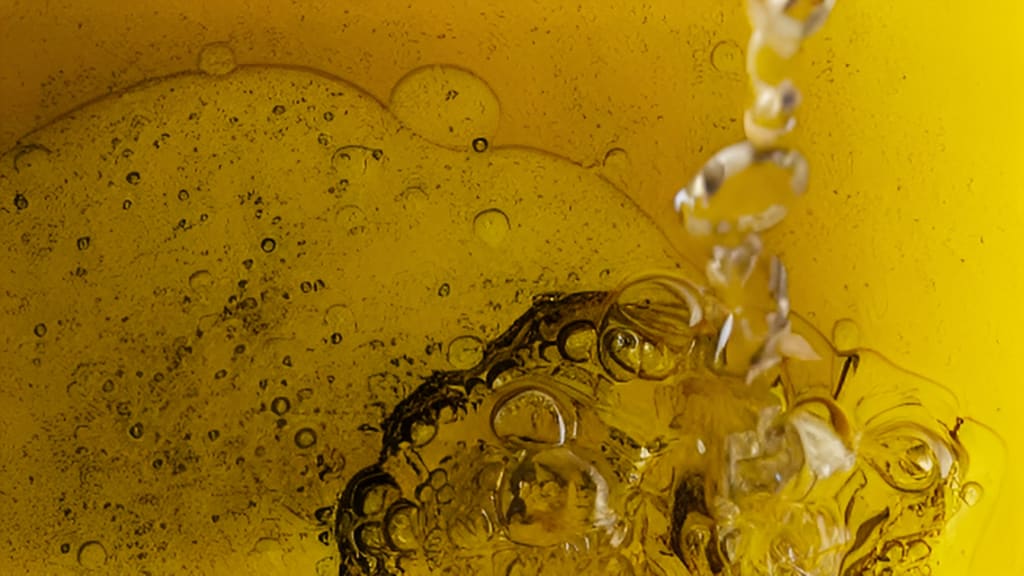
The demand for pyrolysis oil, a valuable byproduct of pyrolysis processes, has been gaining significant attention in recent years, especially as industries and governments strive to develop more sustainable practices in waste management and energy production. Pyrolysis, the process of decomposing organic materials such as plastic and tires in an oxygen-free environment, produces not only biochar and gas but also pyrolysis oil—a liquid fuel that can be refined or used as an energy source. This oil, often dubbed "liquid gold" due to its versatility, plays a crucial role in the evolving global energy transition and recycling sectors. In this blog post, we will explore the market demand for pyrolysis oil and delve into how pyrolysis equipment for plastics and tires interacts with the broader pyrolysis oil supply chain.
The Growing Demand for Pyrolysis Oil
The dmand for pyrolysis oil is driven by several global trends, including:
1. Waste-to-Energy and Circular Economy Movements
In the face of increasing waste generation, especially from plastic and tires, governments and industries are looking for sustainable methods to deal with waste. Pyrolysis offers an efficient solution by converting waste into valuable products, including pyrolysis oil. This aligns with the circular economy model, where waste products are recycled and transformed into useful resources rather than ending up in landfills or incinerators.
Moreover, with the global push toward reducing dependence on fossil fuels, pyrolysis oil provides a renewable alternative that can be used as a substitute for conventional petroleum products in several industries.
2. Increasing Global Plastic and Tire Waste
The rise in global plastic and tire consumption is a significant driver of the pyrolysis oil market. According to estimates, the world generates millions of tons of plastic waste every year, with much of it ending up in landfills or the ocean. Similarly, tires have a long lifespan and are notoriously difficult to dispose of.
As regulations tighten around waste management, especially in developed economies, companies are investing more in pyrolysis technology to convert these waste materials into valuable products like oil. Pyrolysis oil, when refined, can replace fuel oils in industrial boilers or even be used in the production of chemicals, creating an added market opportunity for its demand.
3. Energy Crisis and Shift Towards Cleaner Fuels
With the global energy crisis looming and the shift towards greener, more sustainable energy solutions, pyrolysis oil is being increasingly recognized as a viable alternative to traditional fossil fuels. It can be used in power plants, cement factories, or as a feedstock for further refining into higher-value products like diesel or gasoline.
The Role of Plastic and Tire Pyrolysis Equipment
The market for pyrolysis oil is inherently linked to the development and advancement of pyrolysis equipment, particularly those designed for the conversion of plastics and tires. The equipment's performance and efficiency play a direct role in the quality and quantity of pyrolysis oil produced. Let’s examine the interaction between pyrolysis technology and the broader market dynamics:
1. Plastic Pyrolysis Equipment
Plastics are one of the most commonly processed materials in pyrolysis plants. The efficiency of plastic pyrolysis equipment is a critical factor in determining the yield and quality of pyrolysis oil. Technologies that maximize oil extraction from plastics, particularly high-density polyethylene (HDPE), polyethylene terephthalate (PET), and polypropylene (PP), are in high demand.
- High-Yield and Low-Emission Systems: Advanced plastic pyrolysis equipment is designed to minimize environmental impact by controlling emissions and ensuring high yield. As stricter environmental regulations are enforced globally, the demand for pyrolysis systems that meet stringent environmental standards has risen.
- Refinement Capabilities: Some modern pyrolysis plants incorporate advanced distillation units to refine pyrolysis oil into higher-grade fuels. This enhances the oil’s marketability, allowing it to be used in a variety of industrial applications, including energy generation and transportation.
2. Tire Pyrolysis Equipment
Tires, with their complex composition of rubber, metal, and synthetic compounds, require specialized pyrolysis equipment. The high carbon content and diverse materials present in tires mean that they produce high-quality pyrolysis oil, but only when processed in specialized equipment.
- Processing Efficiency: The interaction between tire pyrolysis equipment and the pyrolysis oil market is influenced by the efficiency of the equipment in converting tires into oil. The equipment's ability to maintain consistent output despite variations in tire composition is critical to ensure a stable supply of pyrolysis oil.
- Byproduct Utilization: Tires not only produce valuable pyrolysis oil but also produce carbon black, steel scrap, and syngas. The effective integration of all these byproducts into the pyrolysis system adds further value to the process and enhances the profitability of tire pyrolysis operations.
Interactions Between Pyrolysis Equipment and the Oil Supply Chain
The pyrolysis oil supply chain begins with waste materials like plastic and tires and ends with the sale and distribution of refined oil. Understanding how pyrolysis equipment interacts with this supply chain helps highlight opportunities and challenges in the market.
1. Raw Material Supply
The availability of plastic and tire waste is a key factor influencing the demand for pyrolysis oil. Municipalities and industries need to supply a steady stream of waste materials to the pyrolysis plants. Recycling programs, waste collection, and collection efficiency play a significant role in ensuring a continuous feedstock supply.
As demand for pyrolysis oil grows, there is an increasing emphasis on sourcing raw materials from diverse channels. Some companies are exploring advanced waste collection systems, while others are working to partner with local governments to ensure a steady supply of plastics and tires.
2. Production Efficiency and Scale
The scalability of pyrolysis equipment is crucial for meeting growing market demand. Small-scale pyrolysis plants may produce limited quantities of oil, while larger, industrial-scale systems are designed to handle larger volumes of waste and produce oil at a lower cost per unit.
Automated and Integrated Systems: Modern pyrolysis systems are moving toward more automated and integrated technologies. This allows operators to optimize production, reduce labor costs, and increase output efficiency. This, in turn, impacts the overall availability and price of pyrolysis oil on the market.
3. Refinement and Distribution of Pyrolysis Oil
Once pyrolysis oil is produced, it needs to be refined to meet various industrial standards. This stage of the supply chain is particularly crucial in determining the oil’s value. Refining technologies focus on improving the oil's quality by removing impurities, reducing sulfur content, and enhancing its calorific value.
In the distribution phase, suppliers and refiners need to establish strong relationships with energy producers, cement plants, and chemical manufacturers to secure long-term contracts for pyrolysis oil sales. As the market for renewable and sustainable fuels grows, the demand for high-quality pyrolysis oil will increase.
Conclusion: The Future of the Pyrolysis Oil Market
The pyrolysis oil market is poised for significant growth as the world seeks more sustainable alternatives to traditional fossil fuels. With the continued rise in plastic and tire waste, coupled with the increasing demand for renewable energy sources, pyrolysis technology is playing a pivotal role in transforming waste into valuable resources.
The interaction between pyrolysis equipment, waste management practices, and the oil supply chain is critical to ensuring that the market demand for pyrolysis oil can be met. Companies that invest in advanced pyrolysis technology and efficient waste collection systems will be well-positioned to capitalize on the growth of this emerging market, while also contributing to the broader goals of waste reduction, energy production, and sustainability.
As industries evolve to embrace circular economy principles, pyrolysis oil will become an integral part of the global supply chain—fueling the future in a sustainable and eco-friendly manner.
About the Creator
Bestonpyrolysis
Engaged in waste plastic/tyre/rubber recycling, oil sludge treatment, biomass recycling, sewage sludge management and paper recycling…
https://bestonpyrolysisplant.com/
Keep reading
More stories from Bestonpyrolysis and writers in Earth and other communities.
The Global Impact of Biochar: Environmental Benefits and Carbon Sequestration in Climate Change Mitigation
In recent years, the world has become increasingly aware of the dire need to address climate change. One promising, yet often overlooked, solution that has emerged in the scientific and environmental community is biochar. Derived from biomass through a process known as pyrolysis, biochar has shown enormous potential in mitigating climate change, improving soil health, and enhancing agricultural productivity. In this article, we'll explore how biochar is being applied worldwide and its role in carbon sequestration as a tool for offsetting greenhouse gas emissions.
By Bestonpyrolysis7 months ago in Earth
Asia’s Second-Best Island in DestinAsian Ranking
Vietnam’s largest island, Phu Quoc, has achieved a remarkable milestone in global tourism by being ranked the second-best island in Asia in the prestigious DestinAsian Readers’ Choice Awards 2026, surpassing the world-famous Maldives. The recognition marks a major moment for Vietnam’s tourism industry and highlights the island’s rapid rise as one of the most desirable tropical destinations in the world. 
By Irshad Abbasi 3 days ago in Earth
Hottest in the Office
Dear Rafi, You’re very distracting to work around. For the first second I saw you the other day, I thought you were some type of executive. It took a moment to realize no, you were just the new guy, dressed up for the job he wants. Be still, my heart.
By Gabriel Shames5 days ago in Pride




Comments
There are no comments for this story
Be the first to respond and start the conversation.