
The Global Impact of Biochar: Environmental Benefits and Carbon Sequestration in Climate Change Mitigation
The Global Impact of Biochar

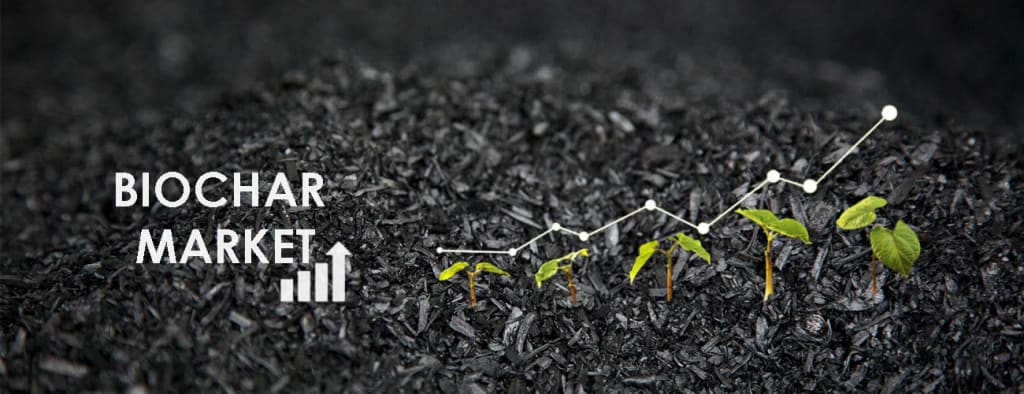
In recent years, the world has become increasingly aware of the dire need to address climate change. One promising, yet often overlooked, solution that has emerged in the scientific and environmental community is biochar. Derived from biomass through a process known as pyrolysis, biochar has shown enormous potential in mitigating climate change, improving soil health, and enhancing agricultural productivity. In this article, we'll explore how biochar is being applied worldwide and its role in carbon sequestration as a tool for offsetting greenhouse gas emissions.
What is Biochar?
Biochar is a stable form of carbon produced by heating organic material (like wood, crop residues, or manure) in a low-oxygen environment—a unit called biochar pyrolysis reactor . The result is a carbon-rich material that is highly porous, which not only retains carbon but also has beneficial properties for soil health. When added to soil, biochar can enhance water retention, improve nutrient availability, and boost soil microbial life.
But biochar’s most significant benefit lies in its ability to act as a carbon sink—a mechanism to store carbon dioxide (CO2) for centuries, thereby mitigating the amount of greenhouse gases in the atmosphere.
Biochar as a Tool for Carbon Sequestration
The central idea behind biochar’s environmental promise is its ability to sequester carbon. When organic matter decomposes naturally in the soil, it emits carbon back into the atmosphere as CO2. However, when biomass is converted into biochar, much of this carbon is trapped within the stable structure of the material. The biochar can remain in the soil for hundreds or even thousands of years, thus preventing carbon from being released back into the atmosphere.
Research has shown that biochar can sequester carbon in soils at a rate of 2 to 3 billion tons of CO2 per year globally, which is equivalent to removing 25% of current global emissions. This makes biochar an effective technology for climate change mitigation.
Real-World Applications and Environmental Improvements
Let’s look at some examples from around the globe where biochar is making a difference:
1. Biochar in Africa: Enhancing Agricultural Productivity and Carbon Storage
In several African nations, biochar has been integrated into farming practices to address soil degradation. In countries like Kenya, Tanzania, and Uganda, smallholder farmers are turning agricultural waste into biochar, which is then used to improve soil fertility. The benefits include enhanced soil structure, increased water retention, and higher crop yields.
At the same time, these practices contribute to carbon sequestration. By converting agricultural residues like crop stubble into biochar, farmers are preventing these materials from decomposing and releasing CO2 into the atmosphere. In fact, biochar has been shown to increase crop productivity by up to 50% in some regions, contributing to food security while combating climate change.
2. Biochar in the Amazon: Restoring Soil Fertility
In the Amazon rainforest, the ancient practice of terra preta, or "black earth," has been rediscovered as a form of biochar application. Indigenous people have been using biochar for centuries to enrich soil and support sustainable farming. Today, researchers and environmentalists are applying this method to restore degraded lands in the Amazon basin, where deforestation and poor farming practices have led to nutrient-poor soils.
By creating biochar from agricultural residues and incorporating it into the soil, farmers can restore soil health and increase productivity, while also locking away carbon for centuries. This practice not only mitigates CO2 emissions but also helps protect the delicate ecosystems of the Amazon rainforest.
3. Biochar in the United States: Carbon Farming Initiatives
In the United States, several carbon farming initiatives are incorporating biochar to both enhance agricultural productivity and fight climate change. The state of California, for instance, has initiated a pilot program where farmers are incentivized to use biochar on their land as part of carbon credit trading schemes.
These projects aim to demonstrate that biochar can provide a financial return for farmers while also benefiting the environment. By sequestering carbon, these initiatives contribute to the state's goal of reducing greenhouse gas emissions and achieving carbon neutrality by 2045.
How Biochar Helps Offset Greenhouse Gases
While biochar’s ability to sequester carbon is its most notable feature, it also plays a role in reducing greenhouse gas emissions from other sources:
- Methane Reduction: In livestock farming, biochar can be used in manure management systems to reduce methane emissions. When added to manure pits, biochar absorbs methane before it can escape into the atmosphere.
- Reducing Nitrous Oxide: Nitrous oxide is a potent greenhouse gas emitted from fertilizers. Biochar can reduce nitrous oxide emissions by improving nutrient cycling in soils, making fertilizers more efficient and less likely to leach into the atmosphere.
- Renewable Energy: The pyrolysis process used to create biochar also produces bio-oil and syngas, both of which can be used as renewable energy sources. This contributes to reducing reliance on fossil fuels and supports the transition to a more sustainable energy system.
Conclusion
Biochar represents a powerful, low-cost tool for combating climate change and improving the health of our planet. By sequestering carbon, enhancing soil fertility, and reducing harmful greenhouse gases, biochar has the potential to make a significant impact on global environmental sustainability.
As we continue to explore innovative solutions to mitigate climate change, biochar stands out as a beacon of hope—one that can provide long-term environmental benefits while helping to secure a healthier, more resilient future for generations to come.
About the Creator
Bestonpyrolysis
Engaged in waste plastic/tyre/rubber recycling, oil sludge treatment, biomass recycling, sewage sludge management and paper recycling…
https://bestonpyrolysisplant.com/
Keep reading
More stories from Bestonpyrolysis and writers in Earth and other communities.
Explore the Combustion Characteristics and Energy Efficiency of Biochar
Biochar, a carbon-rich product derived from the pyrolysis of organic materials, has long been a subject of interest in environmental sciences due to its potential in carbon sequestration and soil enhancement. However, the focus has recently shifted toward its potential as a sustainable energy source, particularly its combustion properties and energy efficiency. As global energy demands rise and the need for renewable energy sources becomes ever more pressing, understanding the combustion characteristics of biochar is crucial for assessing its viability as a clean, renewable energy source.
By Bestonpyrolysis7 months ago in Earth


Comments
There are no comments for this story
Be the first to respond and start the conversation.