
Indigenous knowledge of Earth stewardship
Indigenous knowledge of Earth stewardship refers to the deep, holistic understanding that Indigenous cultures have developed over thousands of years to live in harmony with the natural world.

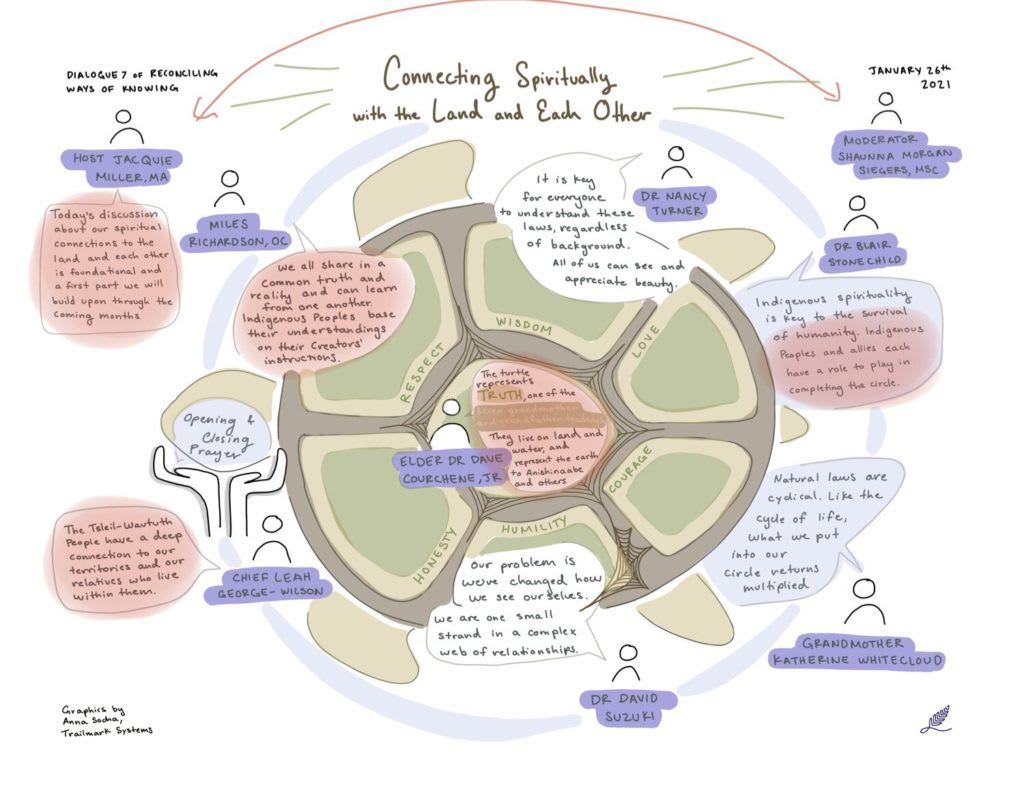
Rooted in a profound respect for nature and an interconnected worldview, this knowledge offers invaluable insights into sustainable living and environmental conservation. Unlike many modern approaches that separate humanity from nature, Indigenous stewardship sees humans as part of a larger ecological web. In this worldview, the Earth is not a resource to be exploited but a living entity to be nurtured and cared for.
One of the fundamental principles of Indigenous knowledge is the recognition of the interdependence of all life forms. Indigenous peoples view animals, plants, rivers, mountains, and the land itself as sacred, each holding intrinsic value. These relationships are often seen as reciprocal, where humans must respect and care for the Earth, and in return, the Earth provides sustenance, healing, and spiritual fulfillment. This deep bond is maintained through generations, with knowledge passed down orally from elders to younger community members. Traditional ecological knowledge (TEK) is the framework that encompasses these teachings and practices, blending science with spiritual beliefs.
Indigenous peoples have developed an intricate understanding of local ecosystems, which has enabled them to thrive in diverse and challenging environments. For instance, Indigenous groups in the Arctic have a profound understanding of animal migration patterns and how to hunt sustainably without depleting the animal population. Similarly, Indigenous farmers in the Americas have long practiced agroforestry, which integrates trees, crops, and livestock in a balanced, mutually beneficial system. This contrasts sharply with modern monoculture farming, which often depletes the soil and harms biodiversity.
One of the most significant contributions of Indigenous knowledge to Earth stewardship is the practice of fire management. Many Indigenous communities, particularly in Australia and North America, have used controlled burns for thousands of years to maintain healthy landscapes. These prescribed burns prevent the buildup of flammable material, reduce the risk of larger, uncontrolled wildfires, and promote the growth of fire-adapted plants. Indigenous fire practices are now being revisited and incorporated into modern fire management strategies as the frequency and intensity of wildfires increase due to climate change.
Water stewardship is another area where Indigenous knowledge plays a crucial role. Many Indigenous cultures have developed sustainable methods for managing water resources, ensuring that they are used wisely and conserved for future generations. In some Native American cultures, water is seen as a sacred gift, and rituals are performed to honor water sources. The practice of rainwater harvesting, the creation of irrigation systems, and the careful management of watersheds all reflect the deep respect for water and its life-sustaining properties.
Moreover, Indigenous knowledge systems emphasize the importance of biodiversity conservation. Indigenous communities have long understood that the loss of species disrupts the delicate balance of ecosystems. As a result, many Indigenous peoples engage in practices that protect endangered species and maintain genetic diversity. For example, the use of traditional hunting and fishing practices, which often include limitations on the number of animals taken or the size of fish caught, helps maintain the health of animal populations. Indigenous conservation methods also include the establishment of sacred sites, such as specific forests, mountains, or waters, that are off-limits to exploitation.
One of the key aspects of Indigenous Earth stewardship is the understanding that the land is not only a physical space but also a spiritual and cultural one. The Earth is viewed as a source of identity, stories, and teachings. Many Indigenous peoples believe that all living things have spirit and purpose, and it is their responsibility to protect and honor them. This spiritual connection fosters a sense of collective responsibility, where the wellbeing of the community is intertwined with the health of the land. Consequently, environmental degradation is not just seen as an ecological issue but also as a violation of cultural and spiritual values.
Indigenous knowledge also promotes resilience and adaptability in the face of environmental change. Traditional ecological knowledge is dynamic and adaptable, with communities using this wisdom to respond to changing conditions, whether it be shifts in climate patterns, the introduction of invasive species, or new technological developments. This adaptability is rooted in a deep respect for the Earth’s cycles and a long-term vision that spans generations.
In conclusion, Indigenous knowledge of Earth stewardship offers valuable insights into sustainable living and environmental conservation. By emphasizing the interconnectedness of all life, the sacredness of the land, and the importance of biodiversity, Indigenous communities have developed practices that foster harmony between humans and the natural world. In a time of ecological crisis, Indigenous knowledge provides an essential framework for reimagining our relationship with the Earth and creating a more sustainable and just future for all.
About the Creator
Badhan Sen
Myself Badhan, I am a professional writer.I like to share some stories with my friends.
Keep reading
More stories from Badhan Sen and writers in Earth and other communities.
Cultural & Historical Perspectives
Indigenous knowledge, shaped by centuries of experience and close interaction with the land, offers invaluable lessons for contemporary environmental management and sustainability. Indigenous communities, whose ways of life are closely tied to the natural world, view Earth not as a resource to be exploited, but as a living entity that must be respected, protected, and nurtured for future generations.
By Badhan Senabout a year ago in Earth
Council Pledges Commitment to UN Children’s Rights
A local council has announced a renewed commitment to upholding the United Nations Convention on the Rights of the Child (UNCRC), signaling a stronger focus on child welfare, protection, and participation in policy decision-making. The pledge reflects a growing international trend in which local governments are taking active roles in implementing global human rights frameworks at the community level.
By Aarif Lashari4 days ago in Earth
Tourist Killed by Elephant Previously Linked to Two Fatal Attacks at Thailand National Park
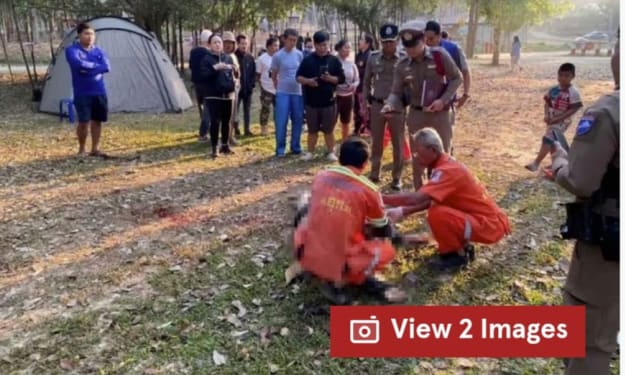
A tragic incident at a national park in Thailand has once again highlighted the dangers of human interaction with wild animals. Authorities confirmed that a tourist was killed by an elephant that had previously been involved in two fatal incidents. The case has reignited conversations about wildlife management, tourist safety, and the growing pressure on natural habitats due to tourism and human expansion.
By Aarif Lashari3 days ago in Earth



Comments (1)
Nice work.