
Council Pledges Commitment to UN Children’s Rights
Local leadership aligns policy priorities with global child protection standards
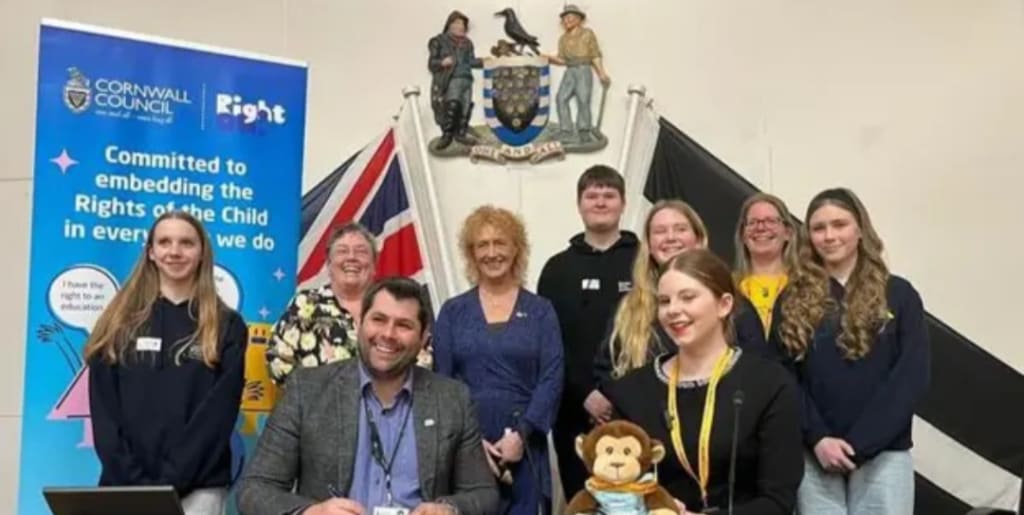
A local council has announced a renewed commitment to upholding the United Nations Convention on the Rights of the Child (UNCRC), signaling a stronger focus on child welfare, protection, and participation in policy decision-making. The pledge reflects a growing international trend in which local governments are taking active roles in implementing global human rights frameworks at the community level.
The commitment highlights how councils are increasingly recognizing children not only as citizens in need of protection, but also as individuals with rights, voices, and roles in shaping their own futures.
Understanding the UN Convention on the Rights of the Child
The UNCRC is one of the most widely supported international human rights agreements. It outlines fundamental rights that every child should have, regardless of nationality, background, or economic status.
The convention focuses on four core principles:
Non-discrimination
Best interests of the child
Right to survival and development
Respect for children’s views
Governments and local authorities use these principles to shape policies in education, healthcare, social services, and child protection.
Why Local Councils Play a Key Role
While national governments often sign international agreements, local councils are responsible for implementing many of the services that directly affect children’s daily lives.
Local government responsibilities often include:
Education services
Child protection programs
Youth support services
Housing and community safety
Public health services
By committing to UN children’s rights, councils aim to ensure these services are designed around children’s needs and well-being.
Moving Toward Child-Centered Policy Making
A child-rights approach often means evaluating policies through the lens of how they impact young people. This can include assessing how decisions affect children’s safety, education, and emotional development.
Examples of child-centered policy include:
Safe school transport planning
Youth mental health service expansion
Child-friendly public spaces
Anti-bullying community programs
The Importance of Listening to Young Voices
One key part of UN children’s rights is ensuring that children are heard in decisions affecting them. Some councils now create youth advisory groups or student councils that help shape local policy.
Youth participation programs can:
Build confidence and leadership skills
Improve policy effectiveness
Strengthen community trust
Encourage civic engagement from a young age
Protecting Vulnerable Children
Councils often focus special attention on vulnerable children, including those facing poverty, disability, or family instability. UN child rights frameworks encourage equal access to opportunities and services.
Support systems often include:
Social care support
Special education services
Housing assistance
Community outreach programs
Education as a Core Child Right
Access to quality education is a central focus of children’s rights policy. Councils often work closely with schools to ensure safe, supportive learning environments.
Modern child rights education strategies may include:
Mental health support in schools
Anti-discrimination policies
Inclusive learning programs
Digital safety education
Health and Well-Being Support
Child rights frameworks also emphasize physical and mental health access. Councils often work with healthcare providers to support child development and well-being.
This can include:
Early childhood health screenings
Nutrition programs
Youth mental health services
Community sports and activity programs
The Global Context of Children’s Rights
Around the world, governments are increasingly incorporating UN child rights principles into law and policy. This reflects growing recognition that investing in children supports long-term social and economic stability.
Strong child rights protections are often linked to:
Higher education outcomes
Lower crime rates
Improved public health
Stronger economic growth
Challenges in Implementing Child Rights Policies
While commitments are important, implementation can be complex. Councils often face challenges such as:
Budget limitations
Staffing shortages
Service demand increases
Balancing competing policy priorities
Despite these challenges, many councils are increasing long-term planning around child welfare.
Measuring Success in Child Rights Commitments
Councils often measure success using data and community feedback. Key indicators may include:
School attendance rates
Child health outcomes
Youth service participation
Child safety statistics
Why This Commitment Matters for Communities
Supporting children’s rights helps create stronger, healthier communities. When children have access to education, safety, and support services, communities benefit long term.
Investing in children often leads to:
Stronger local economies
Better public health outcomes
Lower long-term social service costs
The Future of Child Rights at Local Government Level
Experts expect more local governments to adopt child-rights-based policy frameworks. As awareness grows, children’s rights may become central to future social planning strategies.
Conclusion
The council’s pledge to support UN children’s rights reflects a growing global movement to prioritize child welfare and youth participation in policy development. By aligning local services with international child rights standards, councils aim to create safer, healthier, and more supportive environments for young people.
While challenges remain in implementing large-scale social policy changes, commitments like these signal long-term investment in future generations. As more local governments adopt child-centered approaches, the impact of children’s rights policies will likely continue shaping communities around the world.
About the Creator
Keep reading
More stories from Aarif Lashari and writers in Earth and other communities.
Chappell Roan Says Revealing Grammys Outfit Wasn’t ‘That Outrageous’
Rising pop star Chappell Roan has addressed the attention surrounding her revealing outfit at the Grammy Awards, stating that the look was “not that outrageous.” The comment has sparked conversation across social media, fashion circles, and entertainment media about artistic expression, celebrity fashion expectations, and changing cultural standards in the music industry.
By Aarif Lashariabout 4 hours ago in Earth
What might an extraterrestrial invasion of Earth look like?
The author used artificial intelligence in the crafting of this article. Although Hollywood depicts visits by aliens as horrifying experiences where humans die or even are eaten alive, scientists and philosophers say that’s probably not what an invasion would like.
By David Heitz5 days ago in Earth
Killing him slowly
There’s an intruder in my house again. He stumbles through the door, wet carrier bags in hand. He’s bought me offerings. I show my appreciation, letting him caress my beautiful body. He wants to touch me. I rub myself against his legs. He sighs, dropping the bags. He can’t resist touching me. Running his hand slowly down my spine, I arch my back towards his caress, let out a low purr. It’s what we both need.
By N J Delmas7 days ago in Horror




Comments
There are no comments for this story
Be the first to respond and start the conversation.