
Cultural & Historical Perspectives
Indigenous knowledge of Earth stewardship is a deeply rooted and holistic system that has been passed down through generations, based on a profound understanding of nature and the interconnections between all living things.

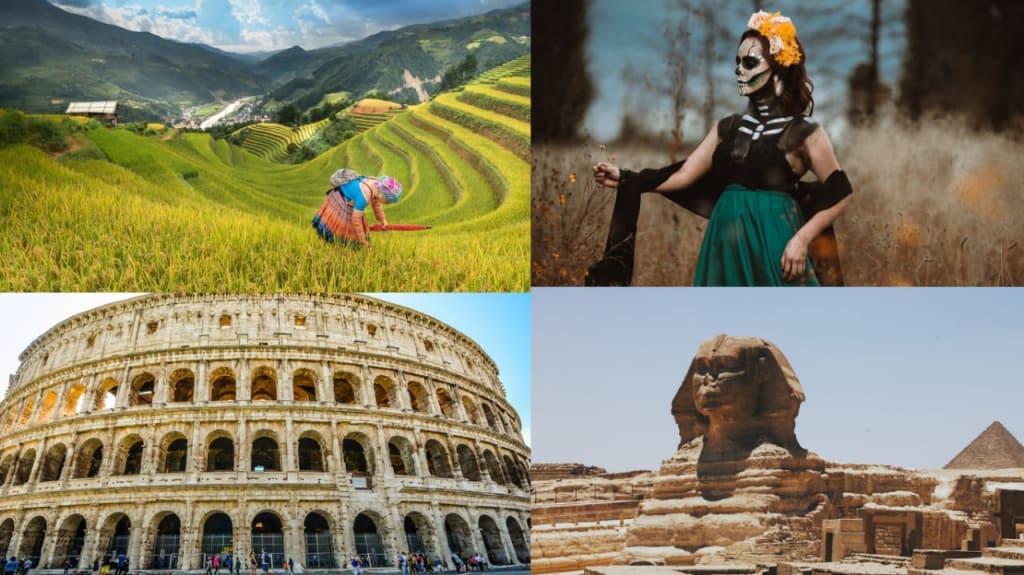
Indigenous knowledge, shaped by centuries of experience and close interaction with the land, offers invaluable lessons for contemporary environmental management and sustainability. Indigenous communities, whose ways of life are closely tied to the natural world, view Earth not as a resource to be exploited, but as a living entity that must be respected, protected, and nurtured for future generations.
- One of the core principles of Indigenous Earth stewardship is the concept of balance. In many Indigenous cultures, there is an understanding that humans are not separate from nature, but an integral part of it. The Earth and all its inhabitants—plants, animals, and humans—are interconnected. The sustainability of the environment depends on maintaining harmony among all these elements. For instance, Native American cultures have long practiced seasonal hunting and fishing in a way that ensures that animal populations are not overexploited. They follow strict guidelines on the amount and types of animals that can be harvested in a particular season, based on observations of the natural world, ensuring that the ecosystem remains in balance.
- A significant aspect of Indigenous knowledge is the cyclical view of time. Unlike the Western linear concept of progress, Indigenous peoples perceive time as cyclical and connected to the natural rhythms of the Earth. This perspective influences how they approach natural resources. For example, the sustainable farming techniques of Indigenous peoples, such as the Three Sisters planting method (growing corn, beans, and squash together), demonstrate a deep understanding of the interrelationship between plants and their environment. These crops work together symbiotically, benefiting one another and providing nutrients to the soil. This practice, which minimizes the need for artificial fertilizers, reflects a deep respect for the land and a recognition of its capacity to regenerate when cared for properly.
- Traditional ecological knowledge (TEK), the body of knowledge, practices, and beliefs that Indigenous peoples use to manage and live with the land, is built upon observation, experience, and oral traditions. For example, the Indigenous practice of controlled burns has been used for thousands of years to maintain healthy forests and prevent large, uncontrollable wildfires. By setting small, controlled fires in specific areas, Indigenous peoples reduce the buildup of dead vegetation, making it easier for new plants to grow and for animals to find food. This practice also encourages the growth of fire-resistant plants and helps regenerate certain ecosystems. This knowledge, once dismissed or misunderstood by non-Indigenous scientists, has been increasingly recognized as an effective tool in modern wildfire management.
- Another important aspect of Indigenous stewardship is the spiritual and cultural connection to the land. Many Indigenous peoples believe that the land is sacred and that humans have a responsibility to care for it as a spiritual duty. For example, the concept of the Sacred Hoop in many Native American cultures symbolizes the interconnectedness of all life, where humans, animals, plants, and the Earth itself are all part of a larger, spiritual whole. This spiritual connection ensures that stewardship is not just about the physical care of the land, but also about honoring it through rituals, ceremonies, and prayers that acknowledge the Earth’s sacredness and its life-giving properties.
- Indigenous knowledge also emphasizes the importance of local knowledge—the idea that the best practices for Earth stewardship are specific to each region and its unique ecosystem. Whether it’s the saltwater people of the Pacific Northwest, who manage coastal ecosystems, or the pastoralists of Africa, who understand the dynamics of grasslands and grazing, Indigenous peoples have developed finely tuned systems of land management suited to their specific environments. This localized knowledge contrasts sharply with more generalized, one-size-fits-all approaches often used in modern environmental science.
- In recent years, there has been a growing recognition of the importance of Indigenous environmental stewardship in addressing contemporary environmental challenges, such as climate change, deforestation, and biodiversity loss. Many Indigenous communities are at the forefront of environmental movements, advocating for the protection of sacred lands and the revival of traditional practices that have sustained ecosystems for generations. Their voices are becoming increasingly important in international discussions on climate change and sustainability.
- However, despite the growing recognition of the value of Indigenous knowledge, there is still a significant need for collaboration between Indigenous peoples and scientists to integrate traditional ecological knowledge with modern conservation strategies. Respect, partnership, and a willingness to listen are essential in building these bridges and ensuring that Indigenous practices are preserved and respected in the face of modern environmental crises.
- In conclusion, Indigenous knowledge of Earth stewardship offers a deep, holistic understanding of the environment that combines respect, sustainability, and a spiritual connection to nature. These practices provide valuable lessons for addressing the environmental challenges we face today. In honoring and learning from these traditions, we may find more sustainable and harmonious ways to care for the Earth and ensure its health for future generations.
About the Creator
Badhan Sen
Myself Badhan, I am a professional writer.I like to share some stories with my friends.
Keep reading
More stories from Badhan Sen and writers in Earth and other communities.
Coral bleaching
Coral reefs are among the most diverse and vital ecosystems on Earth, providing habitat for countless marine species, supporting coastal economies, and acting as natural barriers against waves and storms. However, they are facing a severe threat: coral bleaching. This phenomenon, primarily driven by climate change, threatens the survival of coral reefs worldwide. Understanding coral bleaching, its causes, impacts, and potential solutions is crucial for marine conservation and global biodiversity.
By Badhan Senabout a year ago in Earth
Five-Year-Old Liam Ramos and His Father Released From Texas Detention Center
The release of five-year-old Liam Ramos and his father from a Texas detention center has sparked renewed discussion about immigration detention policies, family separations, and humanitarian treatment standards. The case has attracted attention from advocacy groups, legal experts, and community organizations, highlighting the complex balance between border enforcement and human rights considerations.
By Aarif Lashari6 days ago in Earth
Polar Vortex Collapse Forecast
Every winter, the polar vortex quietly controls much of the weather across the Northern Hemisphere. Most people only hear about it when extreme cold suddenly sweeps into places like North America or Europe. Recently, scientists and meteorologists have begun forecasting conditions that suggest a possible polar vortex collapse, a major atmospheric disruption that could lead to unusual and prolonged winter weather.
By Sajida Sikandar7 days ago in Earth




Comments
There are no comments for this story
Be the first to respond and start the conversation.