
Indian Vultures
A Fascinating Journey through Life's Ecological Guardians
Introduction:
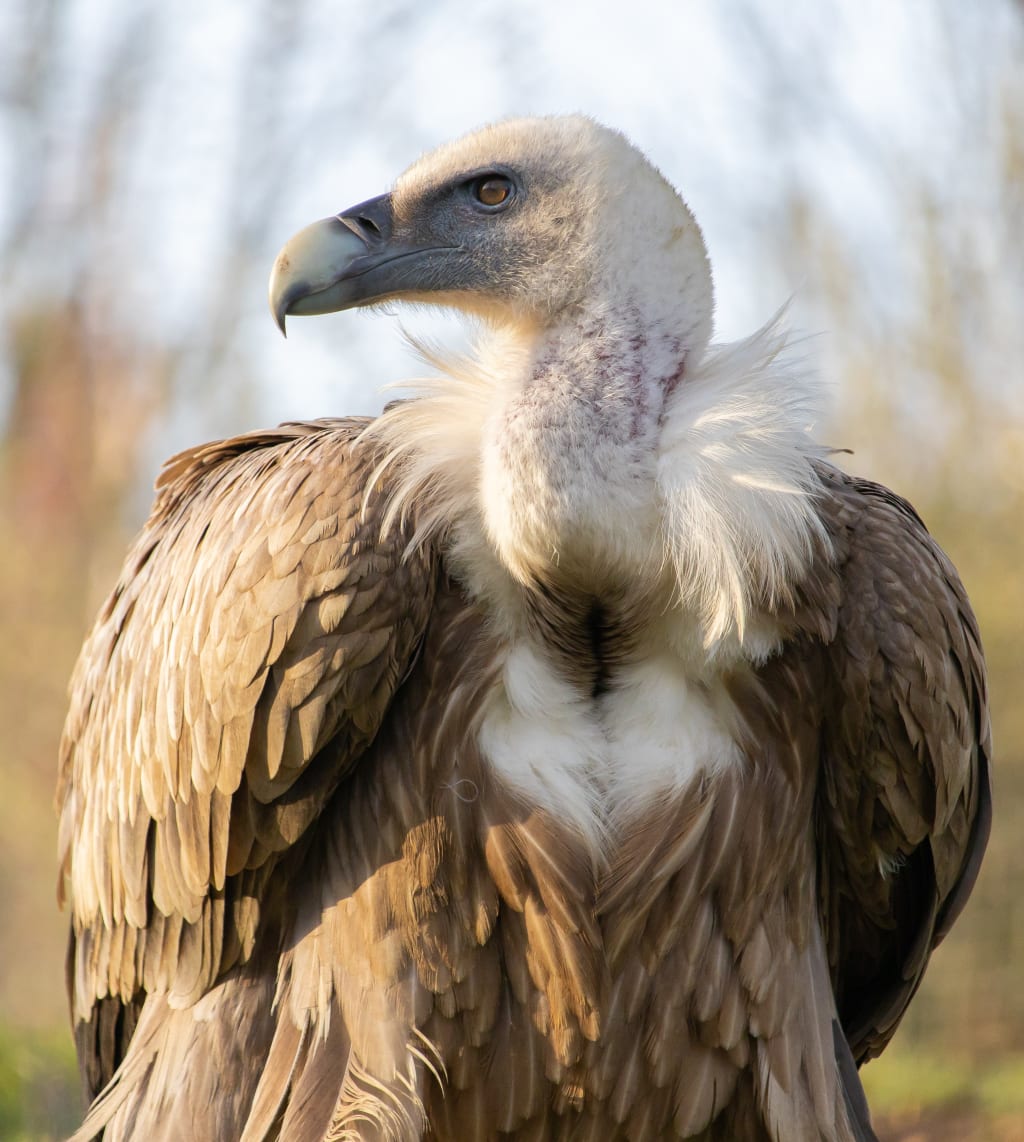
Indian vultures, with their majestic wingspan and vital role in maintaining ecological balance, have long been revered as nature's clean-up crew. These remarkable birds have faced numerous challenges and setbacks in recent years, leading to a decline in their population. However, efforts are being made to conserve and protect these crucial scavengers. In this article, we will delve into the captivating life of Indian vultures, exploring their habitat, behavior, breeding habits, and the importance of their presence in the Indian ecosystem.
Habitat and Distribution:
Indian vultures, comprising three species - the Oriental white-backed vulture (Gyps bengalensis), the long-billed vulture (Gyps indicus), and the slender-billed vulture (Gyps tenuirostris) - are primarily found in the Indian subcontinent. They inhabit a wide range of landscapes, including grasslands, forests, and open areas. Vultures are highly adaptable and can thrive in both urban and rural environments.
Behavior and Feeding Habits:
Indian vultures are primarily scavengers, playing a vital role in maintaining the ecosystem's health by efficiently disposing of carrion. These birds possess keen eyesight and are excellent gliders, soaring high in the sky in search of their next meal. Their bare heads and necks allow them to feed on carcasses without getting their feathers soiled.
Vultures have a unique social hierarchy when it comes to feeding. Upon finding a carcass, the larger and more dominant vultures, such as the Oriental white-backed vulture, take the lead and feed first. They are followed by smaller species, like the slender-billed vulture and the long-billed vulture. This feeding pattern helps minimize wastage and ensures efficient utilization of available resources.
Breeding and Reproduction:
Indian vultures typically form lifelong monogamous pairs during the breeding season. They build their nests in tall trees or on cliffs, using sticks and other plant materials. Both parents actively participate in incubating the eggs and caring for the chicks.
The female vulture typically lays a single egg, and the incubation period lasts around two months. Once the chick hatches, it relies on its parents for food and protection. Vulture parents exhibit dedicated care towards their offspring, ensuring their survival and growth.
Conservation Challenges and Efforts:
Indian vultures have faced a significant population decline in recent decades, primarily due to the widespread use of the veterinary drug diclofenac. This non-steroidal anti-inflammatory drug, when ingested by vultures, leads to renal failure and death. Additionally, habitat loss, hunting, and poisoning have further contributed to the decline of these majestic birds.
Recognizing the critical importance of vultures in maintaining the ecological balance, various conservation organizations, researchers, and governments have taken action to protect them. Efforts include banning the veterinary use of diclofenac, establishing vulture safe zones, and creating captive breeding programs for the endangered species.
Conclusion:
Indian vultures, as nature's clean-up crew, have played an integral role in maintaining the delicate balance of the Indian ecosystem. Their remarkable abilities as scavengers, their unique social hierarchy, and their dedicated parenting highlight their significance in the natural world. However, the decline of vulture populations has raised concerns about the ecological consequences and the need for immediate conservation action.
Through concerted efforts, awareness campaigns, and collaborative research, steps are being taken to protect these invaluable birds. It is essential to continue monitoring their populations, safeguarding their habitats, and ensuring the availability of safe food sources. By doing so, we can help revive the numbers of Indian vultures and secure their place as indispensable guardians of our environment for generations to come.
….........
About the Creator
Subhash C
As a naturalist, I am passionate about conservation and educating others about the importance of biodiversity and ecological balance. My work involves field research, wildlife observation, and environmental advocacy.
Exploring the Amazing World Beneath the Waves
Beneath the surface of the world’s oceans lies a vast and mysterious universe that few humans have truly experienced. Often described as Earth’s “final frontier,” the underwater world is filled with stunning landscapes, colorful creatures, and ecosystems that are both fragile and vital to life on our planet. From shallow coral reefs to the dark depths of the ocean floor, this hidden realm continues to amaze scientists, explorers, and nature lovers alike.
By Irshad Abbasi 2 days ago in Earth



Comments
There are no comments for this story
Be the first to respond and start the conversation.