
Impact of Climate Change on Cyclones
What We Can Expect in the Future


Introduction
Climate change is no laughing matter, but sometimes a little humor can help to break the ice and make difficult topics more approachable. So, let's dive into the impact of climate change on cyclones and see what we can learn!
Cyclones are one of the most destructive weather phenomena on the planet, causing billions of dollars in damage and claiming countless lives each year. With climate change already beginning to take its toll on the world's weather patterns, it's more important than ever to understand the link between rising global temperatures and the intensity of cyclones.
So, what exactly is the impact of climate change on cyclones? How is it affecting the frequency and intensity of these storms, and what can we do to prepare for the future? Let's explore these questions and more in this informative and (hopefully) entertaining blog post on the impact of climate change on cyclones.
Understanding Cyclones
Before we delve into the impact of climate change on cyclones, it's important to first understand what these storms are and how they form. Cyclones are low-pressure weather systems that are characterized by strong winds, heavy rain, and storm surges. These storms typically form over warm ocean waters and can develop into powerful hurricanes, typhoons, or tropical cyclones.
The key to understanding cyclones lies in understanding the relationship between atmospheric pressure and wind speed. In a cyclone, air from high-pressure areas flows towards low-pressure areas, creating an inward spiral of wind that rotates counterclockwise in the Northern Hemisphere and clockwise in the Southern Hemisphere. This inward spiral draws warm, moist air from the ocean's surface, which rises and condenses into clouds, releasing large amounts of energy in the process.
The energy released by this process is what makes cyclones so destructive. High winds can cause widespread damage to buildings, infrastructure, and trees, while heavy rainfall can lead to flooding and landslides. Storm surges, which are caused by strong winds pushing ocean water onto land, can also cause significant damage and pose a threat to coastal communities.
While cyclones are a natural phenomenon, climate change is exacerbating their impact. As sea surface temperatures continue to rise, cyclones are likely to become more frequent and intense, with higher wind speeds and more rainfall. In addition, rising sea levels can make storm surges more severe, putting coastal communities at even greater risk.
Understanding the science behind cyclones is just the first step in addressing their impact on communities around the world. By taking action to reduce greenhouse gas emissions and improve our resilience to these storms, we can help to mitigate the impact of cyclones and protect the people and places that are most vulnerable to their destructive power.
The Connection Between Climate Change and Cyclones
Cyclones have been around for millions of years, but the relationship between these storms and climate change is a relatively recent development. While there is still much to be learned about the impact of climate change on cyclones, there is growing evidence that rising global temperatures are contributing to the frequency and intensity of these storms.
One of the key drivers of this relationship is sea surface temperatures. As the Earth's oceans warm, they provide more fuel for cyclones to develop and intensify. In addition, warmer ocean waters can cause storms to form in regions where they previously were rare, as we have seen with the increasing occurrence of storms in the South Atlantic.
Another factor that contributes to the impact of climate change on cyclones is the relationship between atmospheric moisture and the intensity of rainfall. As the atmosphere warms, it can hold more moisture, which means that cyclones are likely to produce more rainfall in the future. This can lead to more frequent and severe flooding, which can have devastating impacts on communities around the world.
Finally, rising sea levels are also a contributing factor to the impact of climate change on cyclones. Higher sea levels mean that storm surges, which are caused by strong winds pushing ocean water onto land, are more likely to cause flooding and destruction in coastal communities. This can be especially dangerous in areas that are already vulnerable to flooding and other extreme weather events.
As the impact of climate change on cyclones becomes more apparent, it is clear that action is needed to address this growing threat. Reducing greenhouse gas emissions, investing in infrastructure and disaster preparedness, and working to protect vulnerable communities can all help to mitigate the impact of cyclones and protect our planet from the worst effects of climate change.
About the Creator
Birds with Wild Hairdos
Cockatoos are known for their expressive crests, which they raise or lower depending on their mood. The crests can be white, yellow, or pink. These charismatic birds are native to the Australian continent, the islands of the Indo-Australian archipelago, and parts of New Guinea. There are 21 different species of cockatoo, varying in size from the diminutive Galah to the imposing Sulphur-crested Cockatoo. Most cockatoo species are highly social birds, forming strong pair bonds that often last a lifetime. Cockatoos are primarily herbivores, with a diet consisting of seeds, nuts, fruits, roots, and occasionally insects and larvae.
By Rasma Raisters5 days ago in Earth
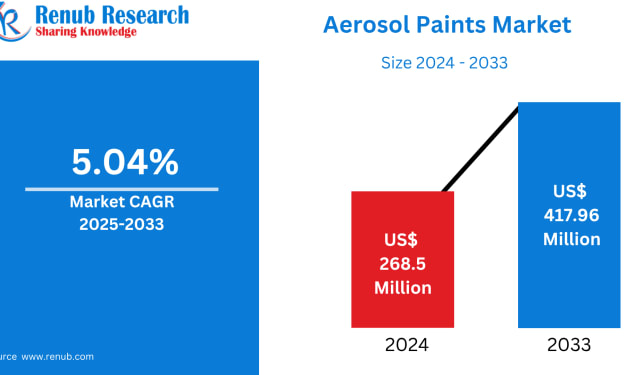
Global Aerosol Paints Market Forecast 2025–2033
Introduction The global aerosol paints market is steadily transforming from a niche convenience product into a mainstream coating solution used across industries, homes, and creative spaces. In 2024, the market was valued at USD 268.5 million, and it is projected to reach USD 417.96 million by 2033, expanding at a CAGR of 5.04% during 2025–2033, according to Renub Research. This growth is driven by the convergence of DIY culture, automotive customization, construction activity, and industrial maintenance needs, alongside innovation in eco-friendly formulations and application technologies.
By Aaina Oberoiabout 14 hours ago in Earth



Comments
There are no comments for this story
Be the first to respond and start the conversation.