
How To Get Rid of Mole Crickets and Prevent Lawn Damage
Mole crickets control.

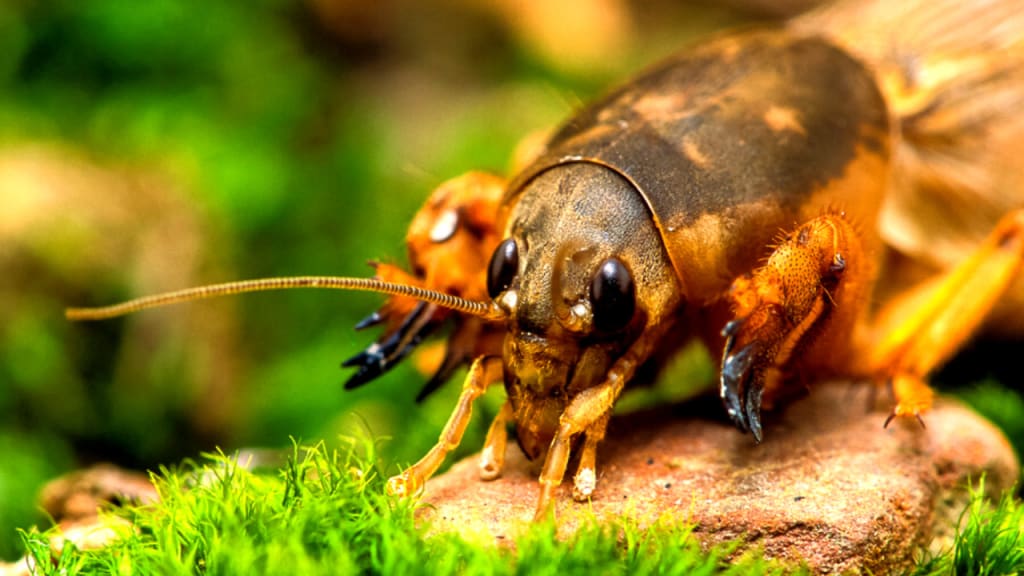
Strange-looking pests called mole crickets can seriously harm your landscape. These persistent, underground beetles have clawed front legs that are ideal for tearing up your turf grass, digging through your lawn, and eating on the roots. The mole cricket is a threat to homeowners in the Southeast of the United States, but fortunately, there are effective ways to get rid of them.
In this blog post, we'll discuss how to get rid of mole crickets and prevent lawn damage. So, stay tuned!
Identifying Mole Crickets
Mole crickets are unsettling bugs with bodies like crickets and front legs shaped like moles' front paws but with claws for digging through soil. Because of this, mole crickets resemble a hybrid between a cricket and a crab.
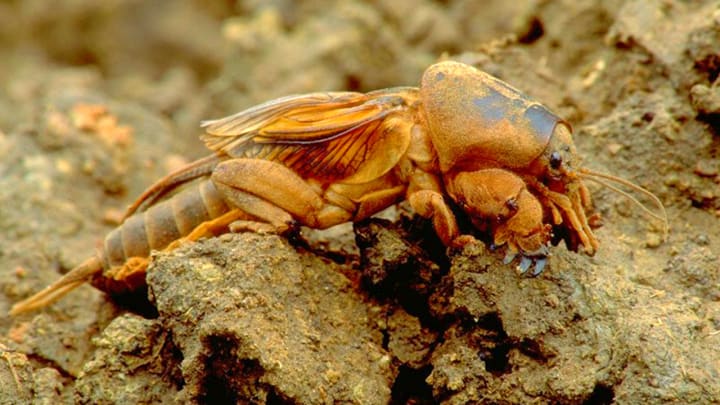
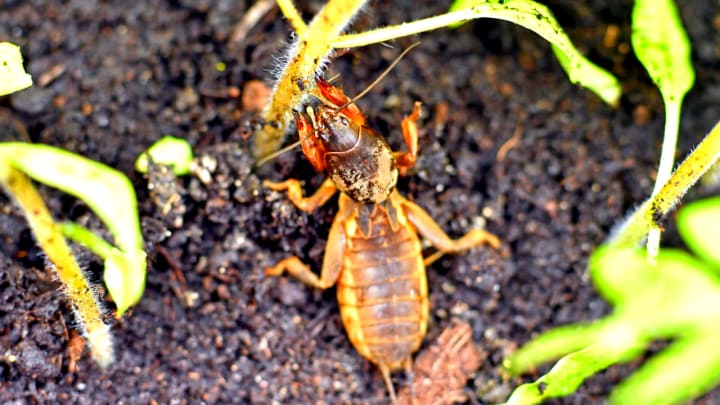
Mole crickets have fine, velvety hair, three sets of legs, two antennae, and a segmented body. The nymphs, the immature stages, have the same body form at a smaller scale and no wings, but fully developed adults range in size from 1-2 inches long.
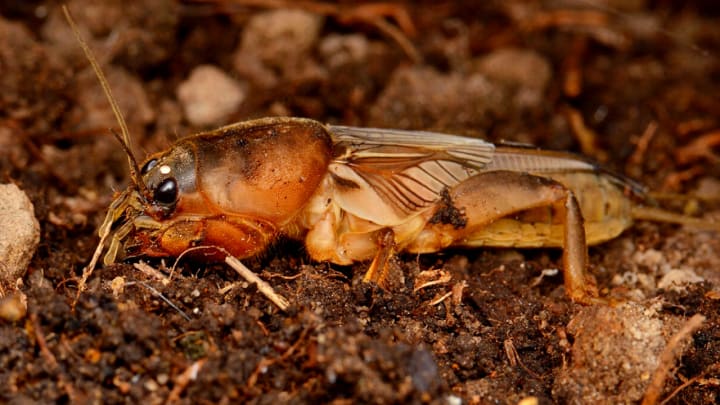
The tawny mole cricket and the southern mole cricket are the two most prevalent varieties of mole crickets. As adults, tawny mole crickets grow to almost two inches in length and are tan. When fully grown, southern moles crickets measure around 1 12 inches long and are dark brown.
Mole crickets are not adept jumpers like your typical cricket, but they do chirp, though.
Signs of Mole Cricket Damage
Bermuda grass and Bahia grass are more likely to be harmed by mole crickets. As any lawn-lover knows, mole crickets leave behind some pretty distinctive damage - think disturbed soil, crooked tunnels, and dead patches of grass.
Not to mention, they're not exactly the tidiest of house guests; mole crickets tunnel their way through your lawn, leaving behind runways and uprooted saplings. And as if that wasn't bad enough, they also have a habit of pushing up the earth as they burrow - which not only harms the ground but also causes dead patches in your grass.
Compared to southern mole crickets, tawny mole crickets are more harmful to lawns. Both kinds of mole cricket burrow into the earth, but tawny mole crickets eat grass shoots and grassroots while southern mole crickets stick to eating soil-dwelling creatures. This can cause the turf to separate from the earth, resulting in a spongy feeling when you walk on it.
Mole crickets cause the most harm as they develop and these warm-season grasses settle down from their most vigorous growth phase. This typically occurs from late August to October, however, factors like soil temperature and moisture content, which affect feeding and tunneling habits, may alter this.
Mole crickets start to "overwinter" deep in the ground as soon as winter arrives and the temperature drops, meaning it is less likely to cause damage during this period.
How To Get Rid of Mole Crickets
Natural Method
Depending on the time of year and the mole cricket's life cycle, an effective control strategy can be used. Early in the spring, mole crickets that overwintered become active. Although treatment at this stage lessens tunneling damage, it might not be as efficient as treatment at a later period.
On weak nymphs, summer therapy is more successful. The application of parasitic nematodes, which prey on adults, is possible in the springtime before females lay their eggs. Control is more difficult by the time damage is obvious.
You can flush them out with soapy water—roughly two teaspoons of dishwashing liquid to one gallon of water—to check for mole crickets early in the season or the presence of immature nymphs. A 1 to 2 square foot (0.1-0.2 square meter) surface should be covered with soapy water. Do this late at night or early in the morning.
Mole crickets will emerge within a few minutes if they are present. If at least two to four-mole crickets are found, the region should be treated in the summer. After using the soapy water, thoroughly wet the area.
Chemical Method
There are liquid and granular insecticides. Organophosphates, synthetic pyrethroids, and neonicotinoids are the three main categories that they belong to. Since mole crickets might get resistant to particular types over time, you might want to think about switching up the category type or using a product that comprises two categories.
Pay close attention to the directions. After using one of these insecticides, you usually need to water the lawn. These are typically used in the early summer to eradicate tiny nymphs.
Insecticide application might be dangerous. Given that they need to be applied frequently, it might be advisable to leave this in the care of a professional.
Baits
Mole cricket baits are available online or at garden supply stores. It has been demonstrated that grains and poisons can be used as bait. Since mole crickets feed at night, set out the baits in the early evening.
Pay attention to the weather prediction because rain can wash your bait away or make it useless. After placing mole cricket bait, wait at least two days before watering your lawn. In the spring and fall, baits are effective against adults.
Alternative Methods
Morning is the best time to catch mole crickets by hand since, like other insects, they are sleepy. If the infestation is modest, hand removal from the garden or grass works well. Some people prefer to use a butterfly net for the task. It might be sufficient to simply drop the crickets into a jar of soapy water until they drown, then dispose of them far from the garden.
Making your own bug traps from yellow sticky paper will also work to catch mole crickets and a range of other insects. Place them close to areas where mole crickets congregate.
When is the Best Time To Treat Mole Crickets?
After you've identified the region of your lawn that is damaged, keep an eye on it throughout the year. In the winter, look for indications of loose soil and weak growth, and in the spring, look for tunneling. The adults will die after the eggs are laid, so there is really no need to chemically treat them.
Wait until June or July instead; the eggs will have hatched by then, and the nymphs will be young and delicate. Later in the summer, you can add more chemical control as necessary.
In warm, moist soil, pesticides will work best; in dry soil, mole crickets will burrow deeper and be more difficult to control.
In the end, mole crickets are challenging to completely eradicate because their growth is reliant on the soil and climate. Because of this, hiring a reputable lawn care business that guards lawns against mole crickets may be your best option.
How To Prevent Mole Crickets?
In order to prevent mole crickets from destroying your lawn, you should apply fertilizer regularly, water deeply, and mow your lawn at the ideal height for the type of grass you have to keep as strong and healthy as possible. Fill in any holes where the ground cracks up and take action to get rid of the thatch that can draw mole crickets.
Mole cricket populations can also be managed with the aid of beneficial insects like parasitic wasps and flies.
There are commercially available treatments with predatory nematodes that can be sprayed with a watering can pump sprayer, or knapsack, as they pose no threat to people or animals, harm bees, or poison groundwater.
Conclusion
Be sure to check your yard regularly for mole cricket activity and treat it accordingly. With a little diligence, you can keep your lawn looking great all season long – and avoid the embarrassment of having the neighborhood kids call your yard “ gross” because of those little buggers.
Do you have any other tips for getting rid of mole crickets or preventing lawn damage? Please share in the comments below!
About the Creator
Keep reading
More stories from Heather Whitney and writers in Earth and other communities.
A Planet the Size of Earth with an Atmosphere Like Our Own
For centuries, humans have looked up at the night sky and wondered whether Earth is the only world capable of supporting life. Advances in modern astronomy have brought us closer than ever to answering that question. Recently, astronomers announced the discovery of a planet roughly the size of Earth with an atmosphere that appears surprisingly similar to our own. This finding has sparked excitement among scientists and renewed hope that life might exist elsewhere in the universe.
By Irshad Abbasi 8 days ago in Earth
The First Rainbow Baby
Pitter-patter, pitter-patter. The rain fell in rhythmic splatters, slowly slowing, but still constant. Mira rolled onto her side pulling the blanket tight against her ears, but still she could hear chitter-chatter and scurrying feet of the creatures that refused to sleep in the lower decks.
By A. J. Schoenfeld2 days ago in Fiction




Comments
There are no comments for this story
Be the first to respond and start the conversation.