
How To Get Rid Of Black Caterpillars
Black Caterpillars Control

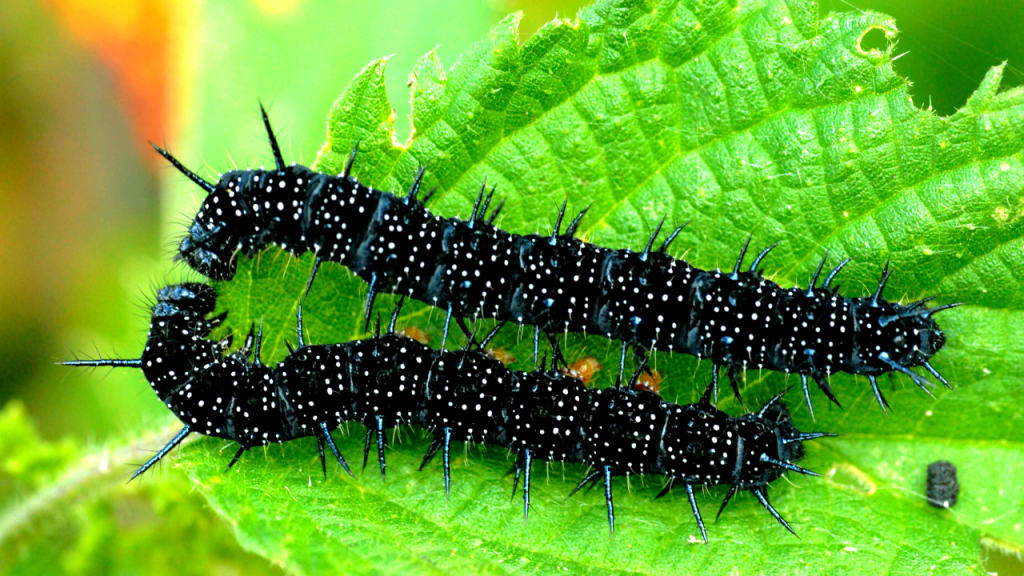
Late summer and early fall are prime times for caterpillars to appear in our gardens. They can eat various leaves and vegetables, although they usually adhere to one type of plant and are surrounded by natural predators.
Get Rid Of Black Caterpillars
Of course, there are numerous chemical pesticides available, but most vegetable gardeners believe that applying such chemicals to fresh food is not a smart idea.
Fortunately, there are some non-toxic and non-chemical methods for controlling caterpillars.
Remove Them By Hand
The most effective and simplest technique to get rid of caterpillars rapidly is to remove them by hand. Put on some comfortable gloves and place the caterpillars in a bucket of soapy water.
You could also try transferring them, as caterpillars prefer to stay close to their birthplace when looking for nourishment.
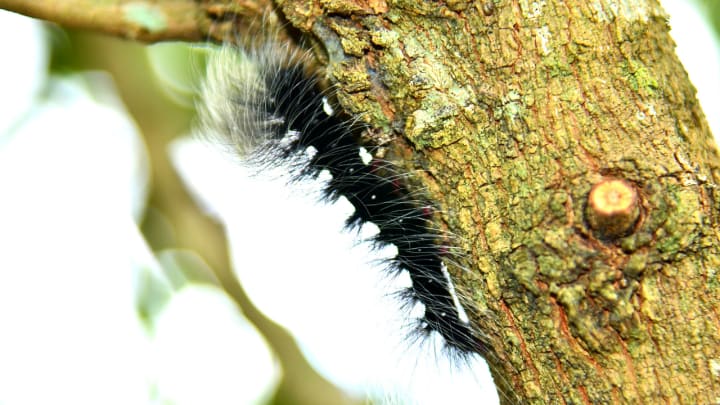
Put them in a cardboard box and take them to a meadow or a roadside area with plants; don't put them in someone else's garden, of course!
Because many kids adore disgusting bugs, you might find that your children are really helpful with this activity. Perhaps you could establish a tiny butterfly garden to encourage the caterpillars to return.
Remove Them Using A Spray
Bacillus thuringiensis (Bt), a microbe put into a spray mixture, is one chemical used to control caterpillars. Some insects are poisoned, but not birds, fish, or mammals.
If you decide to take it this way, do some research to ensure that the product you purchase is not dangerous to bees.
How To Prevent Black Caterpillars
Caterpillars can be prevented in your vegetable garden with a variety of methods.
To control caterpillars, you shouldn't have to use dangerous chemicals; these treatments can harm pollinators, birds, and wildlife, as well as leave poisonous residue in your soil.
Always do your homework before buying any commercial product; sometimes a product will say "safe" on the label but be dangerous in a variety of ways.
Deter Moths
Moths are attracted to light at night, so avoid having lights around your garden at night if at all feasible; this will significantly reduce moth traffic. They will not lay eggs if they are not present.
Separately Plant Food Crops and Flowers
Butterflies are drawn to nectar-rich blooms the most. If caterpillars are a concern, keep your pollinator and food plantings separate to reduce the risk of a caterpillar infestation in your vegetable garden.
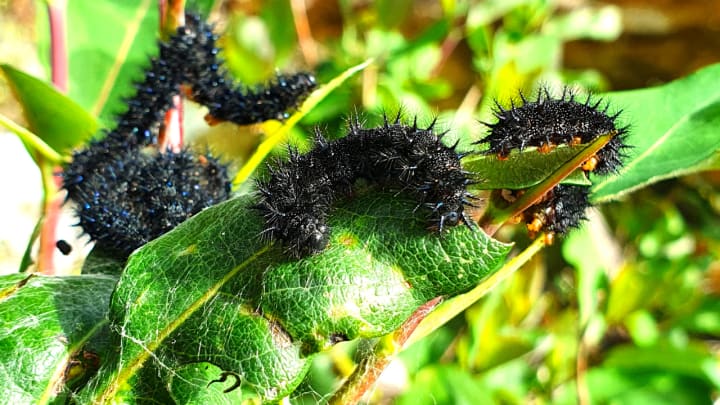
Use Plants That Will Deter Them
Lavender, sage, peppermint, and mugwort are some strong-smelling herbs that will keep caterpillars away. Although mint should not be planted directly in your garden due to its invasive nature, keeping a small container of it nearby may help keep caterpillars at bay.
Crop Rotation
As we've seen, insects are intelligent, or at least adept at living. It's tougher for butterflies and moths to establish themselves in your garden if you change up your crop varieties and planting areas from year to year.
Protection Of Crops
Use protective items to safeguard your sensitive young plants from caterpillars. Caterpillars find it difficult to crawl over cardboard or tin foil, therefore some gardeners use it around the base of plants to keep them away.
Attract Birds Who Eat Caterpillars
Caterpillars are eaten or fed to their young by a number of typical backyard birds. Robins, yellow warblers,
Carolina wrens, chickadees, sparrows, woodpeckers, and red-eyed vireos are among them. Chickadees, in particular, prefer to feed their chicks caterpillars.
Providing a welcoming home for these birds may help reduce your caterpillar problem.
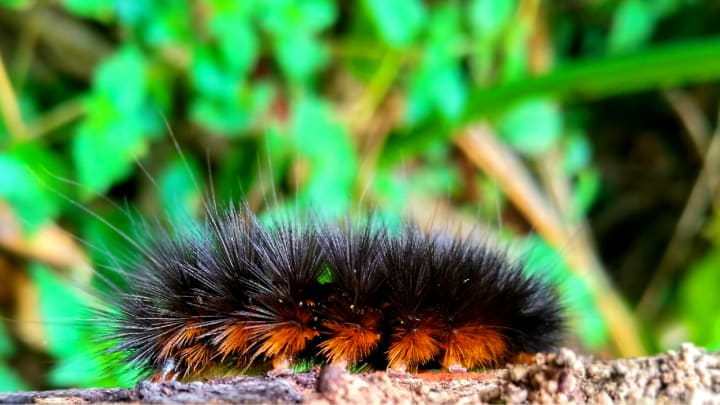
Use A Caterpillar Detergent
One tablespoon of horticultural molasses (available at garden supply outlets) and one teaspoon of dishwashing liquid (or pure liquid soap) in a liter of warm water is an all-natural spray solution that Australian gardeners swear by for suppressing caterpillars.
Allow it to cool before spraying it evenly over the leaves, being sure to cover both the top and bottom. Plus, it keeps fire ants away!
Last But Not Least
In this post, we've shown you a few strategies to get rid of black caterpillars. However, keep in mind that insecticides might kill valuable insects and pollinators like bees and butterflies.
They are necessary for a healthy earth.
About the Creator
Keep reading
More stories from Heather Whitney and writers in Earth and other communities.
Squirrel Communication: Understanding Their Chatter and Body Language
Squirrels are among the most common and captivating wildlife species seen in urban and suburban areas. Their acrobatic abilities, bushy tails, and curious nature make them a delightful sight. However, there's more to these creatures than meets the eye. Squirrels have a complex system of communication, using both vocalizations and body language to convey messages.
By Heather Whitney2 years ago in Earth
Writing To Succeed
If you want to find something that will help readers find your writing, possibly expand your audience, and maybe even get you noticed for other things, then you’re not alone. But how can you get it done in a world full of want-to-be writers? Look less at what you’re writing now, and more at what other writers have used to boost their views and reads.
By Jason Ray Morton 6 days ago in Writers



Comments
There are no comments for this story
Be the first to respond and start the conversation.