
How Nature Can Adapt To Extreme Conditions.
A peek into the natural world when it comes to survival.

Nature is an incredible testament to the adaptability of life, with countless organisms able to survive and thrive in conditions that would be lethal to most others. One of the most fascinating examples of this adaptability can be seen in extremophiles, organisms that have evolved to live in extreme environments. From hot vents on the ocean floor to acidic lakes, these organisms have developed incredible adaptations that allow them to survive and even thrive in some of the most extreme conditions on Earth.
For example, the tardigrade, also known as the water bear, is one of the most resilient organisms on the planet. These microscopic creatures can survive in conditions of extreme heat, cold, radiation, and even the vacuum of space. Their ability to survive such extreme conditions has made them a subject of interest for scientists studying the limits of life on Earth and beyond.
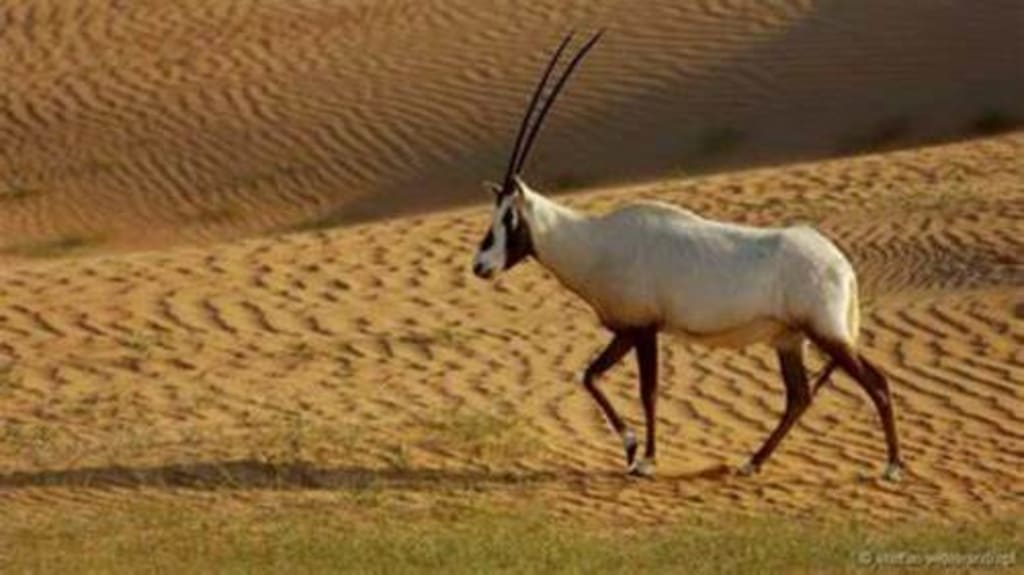
But it's not just extremophiles that have adapted to survive in challenging conditions. Some animals are able to survive without water for long periods of time, thanks to a range of adaptations that allow them to conserve water. Camels, for example, can go for weeks without drinking water by producing highly concentrated urine and sweating very little. Other desert animals, such as the kangaroo rat, have specialized kidneys that allow them to extract water from the seeds they eat, while still others, like the fennec fox, have large ears that help them to dissipate heat and stay cool in the desert sun.
Plants, too, have evolved a range of adaptations to cope with extreme conditions. Some desert plants have developed extensive root systems that allow them to access water deep beneath the surface of the soil. Others, like cacti, have evolved the ability to store water within their tissues, allowing them to survive long periods of drought. Certain species of plants, such as the Arctic willow, can even photosynthesize through snow cover, allowing them to continue growing and producing food throughout the winter months.
However, while nature has a remarkable ability to adapt to changing conditions, there are limits to this adaptability. Human activities such as habitat destruction, pollution, and climate change are putting pressure on many species, and some are struggling to adapt quickly enough to keep pace with these changes.
For example, the giant panda is threatened by habitat loss and fragmentation. These bears are highly specialized, feeding almost exclusively on bamboo. As human activities continue to encroach on their habitat, it becomes increasingly difficult for them to find the food and resources they need to survive. Similarly, many species of coral are under threat from warming oceans and ocean acidification, which can cause them to bleach and die.
To protect biodiversity and ensure the survival of these species, it's important that we take action to reduce our impact on the environment. This can include measures such as habitat restoration, reducing greenhouse gas emissions, and reducing pollution levels. By taking these steps, we can help to ensure that the natural world continues to adapt and evolve, and that the remarkable diversity of life on our planet continues to thrive.
While nature is incredibly resilient and adaptable, it's important to remember that we are all interconnected. The survival of one species depends on the survival of others, and our actions have the power to impact the delicate balance of ecosystems around the world. By taking action to protect the environment and reduce our impact on the planet, we can help to ensure that future generations inherit a world that is just as diverse, resilient, and full of wonder as the one we live in today.
About the Creator
Spencer Taylor Jr (USMC Veteran)
Hello, I`m a Tech Entrepreneur and Consultant for multiple industries including Online Marketing, Health and Wellness, Offline Marketing and Branding, AI, Tangible Assets Solar Energy and Affiliate Marketing. I enjoy sharing valuable info!
Keep reading
More stories from Spencer Taylor Jr (USMC Veteran) and writers in Earth and other communities.
How To Earn Additional Income Without Having To Create Your Own Product.
Affiliate marketing is a popular and effective way to earn additional income without needing to create your own products. In this blog post, we will explore the basics of affiliate marketing and provide tips on how to get started.
By Spencer Taylor Jr (USMC Veteran)3 years ago in Education
Exploring the Amazing World Beneath the Waves
Beneath the surface of the world’s oceans lies a vast and mysterious universe that few humans have truly experienced. Often described as Earth’s “final frontier,” the underwater world is filled with stunning landscapes, colorful creatures, and ecosystems that are both fragile and vital to life on our planet. From shallow coral reefs to the dark depths of the ocean floor, this hidden realm continues to amaze scientists, explorers, and nature lovers alike.
By Irshad Abbasi 2 days ago in Earth



Comments
There are no comments for this story
Be the first to respond and start the conversation.