
Harnessing Load Flexibility
Unlocking the Potential of Power Grids for a Sustainable Future

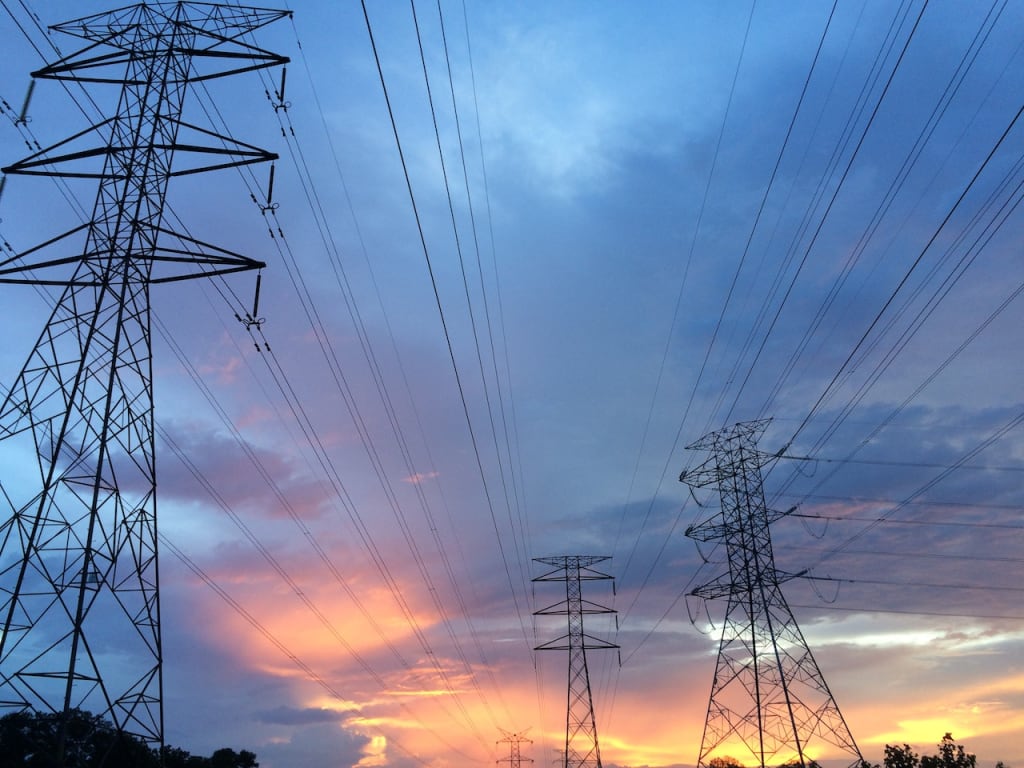
On February 7th, 1967, Homer Loutzenheuser, with a flick of a switch in Nebraska, realized a dream that had been in the making for over five decades. The power grids of the United States seamlessly joined together, creating one interconnected machine that spanned from coast to coast. Today, the US power grid stands as the largest machine in the world, comprising over 7,300 electricity-generating plants and linked by approximately 11 million kilometers of power lines, transformers, and substations. These power grids, spanning continents, tirelessly transmit electricity around the clock, representing monumental engineering achievements. However, their success hinges on maintaining a delicate balance.
Within power grids, each component must operate in unison, ensuring a constant frequency throughout the system and effectively matching energy supply with demand. Any imbalance poses risks, leading to power spikes that can damage equipment in the case of excess electricity or resulting in blackouts due to insufficient supply. To strike this crucial balance, power grid operators closely monitor the grid from sophisticated control centers. They employ energy demand forecasts to adjust the activity levels of power plants, signaling them to increase or decrease their output to precisely meet the current energy requirements.
Grid operators consider various factors, such as the availability and cost of energy resources, to create a "dispatch curve." This curve outlines the order in which different energy sources will be utilized. The grid predominantly utilizes resources at the beginning of the curve, typically arranged by price. Renewable sources tend to occupy this position due to their lower production costs. Notably, grids in countries like Iceland and Costa Rica heavily rely on clean energy, with more than 98% of their energy coming from renewable sources. However, in most cases, dispatch curves feature a combination of carbon-free and carbon-emitting sources, resulting in the variability and cleanliness of electricity varying throughout the day, sometimes changing every few minutes.
The state of Kansas serves as an example. Despite possessing abundant wind resources, Kansas frequently relies on carbon-emitting power plants due to the intermittent nature of wind energy. Wind power generation peaks at night when demand is lower, resulting in surplus electricity that can potentially strain the grid. Consequently, Kansas regularly disposes of excess wind energy to avoid damaging the system. Similar scenarios unfold worldwide, highlighting a significant challenge.
Fortunately, renewable energy dependency is on the rise. However, power grids often struggle to fully leverage these intermittent sources, primarily because they were not originally designed to accommodate them nor store large amounts of electricity. Researchers are actively exploring innovative storage solutions, yet these developments require time and substantial investment. Nevertheless, there remains hope in an alternative approach: collaborating with existing power grids to embrace load flexibility.
Load flexibility involves shifting some energy consumption to times when clean electricity is abundant. By embracing this concept, we can help flatten demand peaks, alleviate stress on the grid, and reduce the reliance on non-renewable energy sources. Researchers are currently working on automated emissions reduction technologies that leverage energy usage data to ensure devices access electricity from the grid during the cleanest periods. Remarkably, such smart devices already exist.
The impact of widespread implementation of smart technologies, such as intelligent air conditioners, water heaters, and electric vehicle chargers, is significant. If these devices were integrated across the Texas power grid, the state's emissions could decrease by approximately 20%. In other words, coordinating when these devices draw power from the grid could lead to an annual reduction of 6 million tons of carbon emissions released into the atmosphere in Texas alone.
Now, envision the transformative potential of load flexibility on a global scale. By embracing this approach, we can tap into the existing infrastructure of power grids, optimizing energy consumption and reducing our carbon footprint. The journey towards a sustainable future lies not only in expanding renewable energy sources but also in maximizing the efficiency of our power grids through load flexibility. Through collaborative efforts and smart technology integration, we can unlock a greener and more sustainable world.
Henrik Leandro
About the Creator
Henrik Leandro Laukholm Solli
Free thinker, traveler and humanist <3
Keep reading
More stories from Henrik Leandro Laukholm Solli and writers in Earth and other communities.
The Elusive Common Cold
In 2000, ViroPharma conducted clinical trials for pleconaril, a novel pill aimed at treating the common cold. While the medication proved effective for many patients, researchers discovered a disheartening reality. Within just a few days of treatment, seven individuals developed mutated virus variants that were highly resistant to pleconaril. This particular virus strain exhibited an astonishing rate of mutation, rapidly outmaneuvering years of research and development. This highlights the ongoing challenge of combating the common cold, especially for individuals with compromised immune systems or those taking immunosuppressant drugs.
By Henrik Leandro Laukholm Solli3 years ago in Earth
Exploring the Amazing World Beneath the Waves
Beneath the surface of the world’s oceans lies a vast and mysterious universe that few humans have truly experienced. Often described as Earth’s “final frontier,” the underwater world is filled with stunning landscapes, colorful creatures, and ecosystems that are both fragile and vital to life on our planet. From shallow coral reefs to the dark depths of the ocean floor, this hidden realm continues to amaze scientists, explorers, and nature lovers alike.
By Irshad Abbasi 2 days ago in Earth




Comments
There are no comments for this story
Be the first to respond and start the conversation.