
Greenland: The Land of Ice, Mystery, and Opportunity
Greenland: Exploring the World’s Largest Island and Its Icy Wonders

Introduction
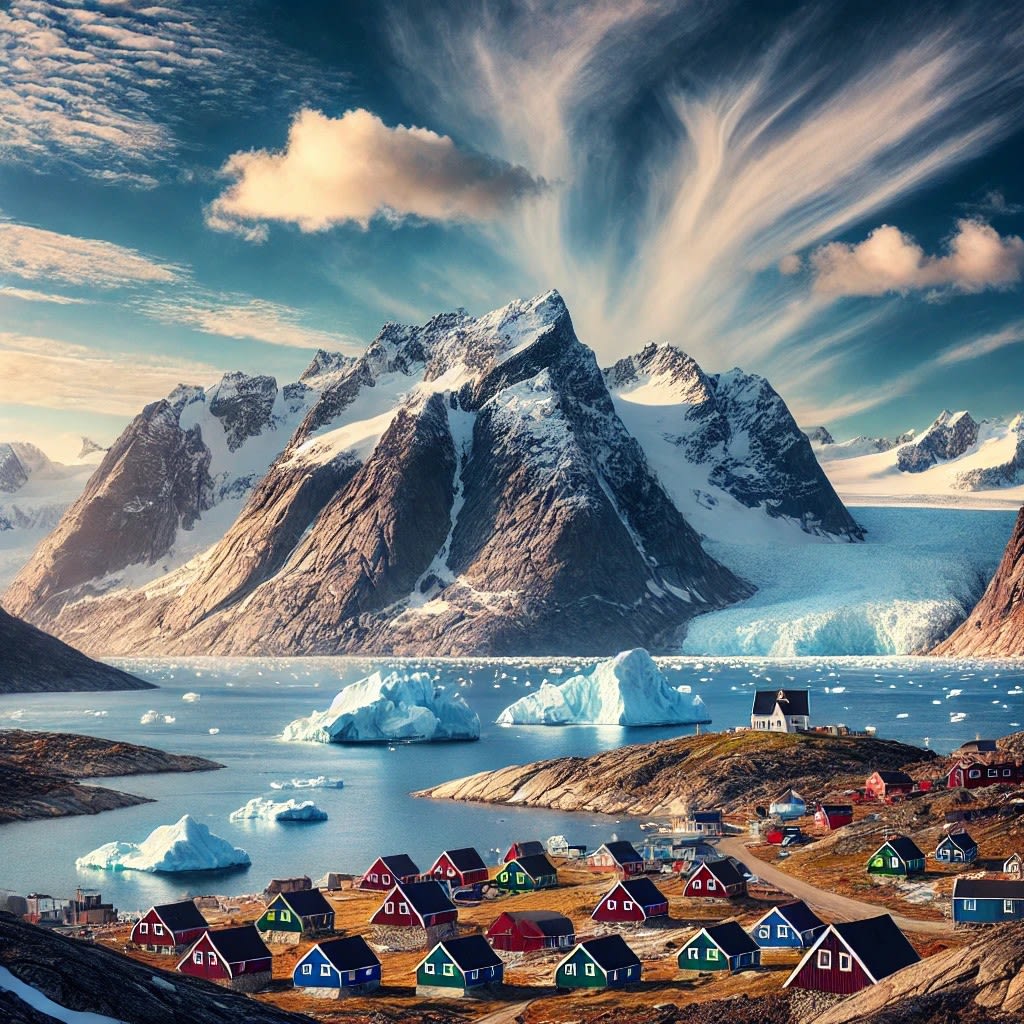
Greenland, the world's largest island, is a land of staggering natural beauty and untapped potential. Located between the Arctic and Atlantic oceans, Greenland is often associated with its icy landscapes, but there is far more to this remote and fascinating place than meets the eye. From its unique geography and culture to its critical role in the global climate system, Greenland is a place of contrasts that captivates explorers, scientists, and travelers alike.
In this article, we’ll dive into the history, environment, culture, and future of Greenland, exploring why this icy expanse is one of the most intriguing destinations on Earth.
Geography and Climate
Greenland, an autonomous territory within the Kingdom of Denmark, spans over 836,000 square miles, making it the largest island on the planet. Despite its vast size, it is sparsely populated, with fewer than 60,000 residents. Most of its landmass is covered by the Greenland Ice Sheet, which is the second-largest ice body in the world, after Antarctica. The ice sheet contains about 8% of the Earth’s freshwater reserves, making it a critical component of the global climate system.
The coastal regions, where most Greenlanders live, are ice-free during the summer months. The climate varies from polar in the north to subarctic in the south, creating diverse ecosystems that support unique wildlife and vegetation.
History and Culture
Greenland’s human history stretches back over 4,500 years, with the first inhabitants believed to have been Paleo-Eskimos who migrated from North America. The Norse settled in Greenland during the 10th century, led by Erik the Red, who famously named it “Greenland” to attract settlers. Over the centuries, Greenland’s population has been shaped by Inuit migrations and European colonial influences.
Today, Greenland is home to a predominantly Inuit population, with rich cultural traditions deeply tied to the land and sea. Hunting, fishing, and dog sledding remain integral parts of Greenlandic culture, alongside a growing appreciation for modern arts and technology. The official language is Greenlandic (Kalaallisut), but Danish and English are also widely spoken.
Natural Beauty and Wildlife
Greenland’s landscapes are otherworldly, characterized by towering glaciers, rugged mountains, and vast tundras. The Ilulissat Icefjord, a UNESCO World Heritage Site, is a striking example of the island’s glacial beauty, where massive icebergs drift into the North Atlantic. Greenland is also famous for its Northern Lights, which paint the night sky with mesmerizing colors during the winter months.
The island is home to a variety of wildlife, including polar bears, Arctic foxes, musk oxen, and whales. Birdwatchers flock to Greenland to see species like puffins and sea eagles. Its marine ecosystems are equally rich, with diverse fish and marine mammal populations that sustain local communities.
Greenland’s Role in Climate Change
Greenland is often at the center of discussions about climate change due to its massive ice sheet. Rising global temperatures are causing the ice sheet to melt at an accelerating rate, contributing to rising sea levels worldwide. Scientists closely monitor Greenland to understand the implications of this melting on global climate patterns.
However, climate change also brings opportunities to Greenland. As the ice recedes, previously inaccessible resources, such as minerals and oil, are becoming available. Additionally, the retreat of sea ice is opening new shipping routes through the Arctic, which could position Greenland as a critical hub for global trade in the future.
Economic Potential
Greenland’s economy is currently reliant on fishing, hunting, and limited tourism. However, its natural resources, including rare earth minerals, could significantly boost its economic prospects. Mining projects are being explored to tap into deposits of gold, uranium, and other valuable minerals.
Tourism is another growing industry in Greenland, with visitors drawn to its unspoiled landscapes and unique cultural experiences. Activities such as glacier hiking, whale watching, and exploring Inuit traditions offer a glimpse into a world few have experienced.
Challenges Facing Greenland
Despite its potential, Greenland faces numerous challenges. The effects of climate change pose a significant threat to traditional lifestyles and ecosystems. Economic development must be carefully managed to balance growth with environmental sustainability.
Infrastructure in Greenland is limited, with few roads connecting settlements. Travel between communities often requires boats, planes, or dog sleds. Additionally, the high cost of living and reliance on imports create economic pressures for residents.
Political autonomy is another complex issue. While Greenland has self-rule, it remains part of the Kingdom of Denmark. Discussions about full independence are ongoing, but economic and logistical hurdles remain significant barriers.
Greenland as a Travel Destination
For adventurous travelers, Greenland is a bucket-list destination. Its remote location and pristine environment offer a sense of isolation and wonder rarely found elsewhere. Popular destinations include Nuuk, the capital city, which blends modern amenities with traditional Greenlandic culture, and Kangerlussuaq, a gateway to the ice sheet.
Outdoor enthusiasts can enjoy a range of activities, from kayaking through fjords to dog sledding across snowy landscapes. The Arctic Circle Trail, a multi-day trek through the wilderness, offers a unique opportunity to immerse oneself in Greenland’s natural beauty.
The Future of Greenland
Greenland’s future is as complex as its history. As the world grapples with climate change, the island will remain a focal point for scientific research and international policy discussions. Its strategic location and natural resources position it as a key player in the Arctic, attracting interest from global powers.
Efforts to preserve Greenland’s cultural heritage and environment will be crucial as the island navigates the challenges of the 21st century. Sustainable tourism, responsible resource extraction, and investments in infrastructure and education can help Greenland achieve a balanced and prosperous future.
Conclusion
Greenland is a land of contrasts—icy yet full of life, remote yet central to global issues. Its breathtaking landscapes, rich cultural traditions, and pivotal role in the climate crisis make it a fascinating and vital part of our world. Whether you’re drawn to its natural beauty, intrigued by its history, or invested in its future, Greenland is a place that leaves a lasting impression.
As this Arctic jewel continues to evolve, it reminds us of the importance of balance: between tradition and modernity, development and preservation, and humanity’s relationship with the natural world.
About the Creator
Keep reading
More stories from Razia Aman and writers in Earth and other communities.
The Palisades Fire: A Sobering Reminder of Nature’s Fury
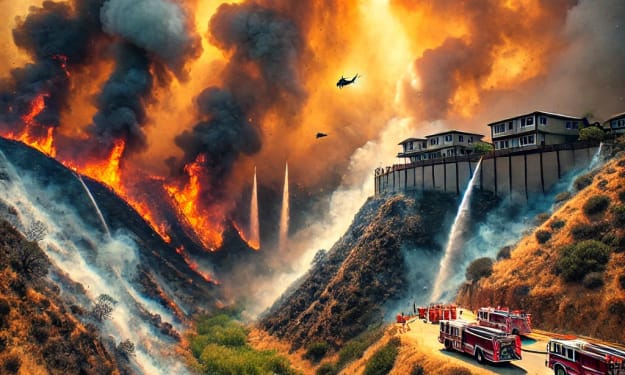
The Palisades Fire: A Sobering Reminder of Nature’s Fury Wildfires are an ever-present threat to many communities across the globe, but few events have highlighted their destructive power quite like the Palisades Fire. This blaze, which erupted in the Pacific Palisades region of California, not only wreaked havoc on the local environment but also served as a chilling reminder of the growing risks posed by climate change, urban expansion, and human negligence.
By Razia Amanabout a year ago in Earth
Human Revenge: A Hidden Cause Behind the Decline of Snow Leopards
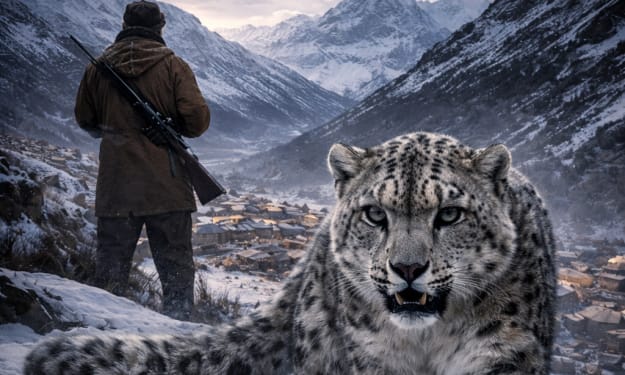
High in the rugged mountains of Central and South Asia lives one of the world’s most mysterious and beautiful big cats—the snow leopard. Known for its thick grey-white fur, long tail, and incredible ability to blend into rocky landscapes, this elusive predator has fascinated scientists and wildlife lovers for decades. Yet despite its beauty and ecological importance, the snow leopard faces a growing threat: human revenge.
By Irshad Abbasi 7 days ago in Earth
History of The Three Stooges (Part I: The Beginnings and Columbia Pictures - 1920s-1936)
I have been itching to write about The Three Stooges on Vocal for close to two years, but I couldn't figure out how to do it. I wanted to do it by third Stooge, but that's a bit complicated. I know this much. I was about eight or nine years old when I first saw The Three Stooges. I remember one of my local channels had the Stooges on for hours, and I tried my damnedest to be up for those shorts. I remember that the Family Channel actually had an hour of the Stooges on from 11PM to midnight, and it was the entire library on during that time.
By Clyde E. Dawkins5 days ago in Geeks


Comments
There are no comments for this story
Be the first to respond and start the conversation.