
The Palisades Fire: A Sobering Reminder of Nature’s Fury
How the Palisades Fire Highlighted the Growing Risks of Wildfires in a Changing World

The Palisades Fire: A Sobering Reminder of Nature’s Fury
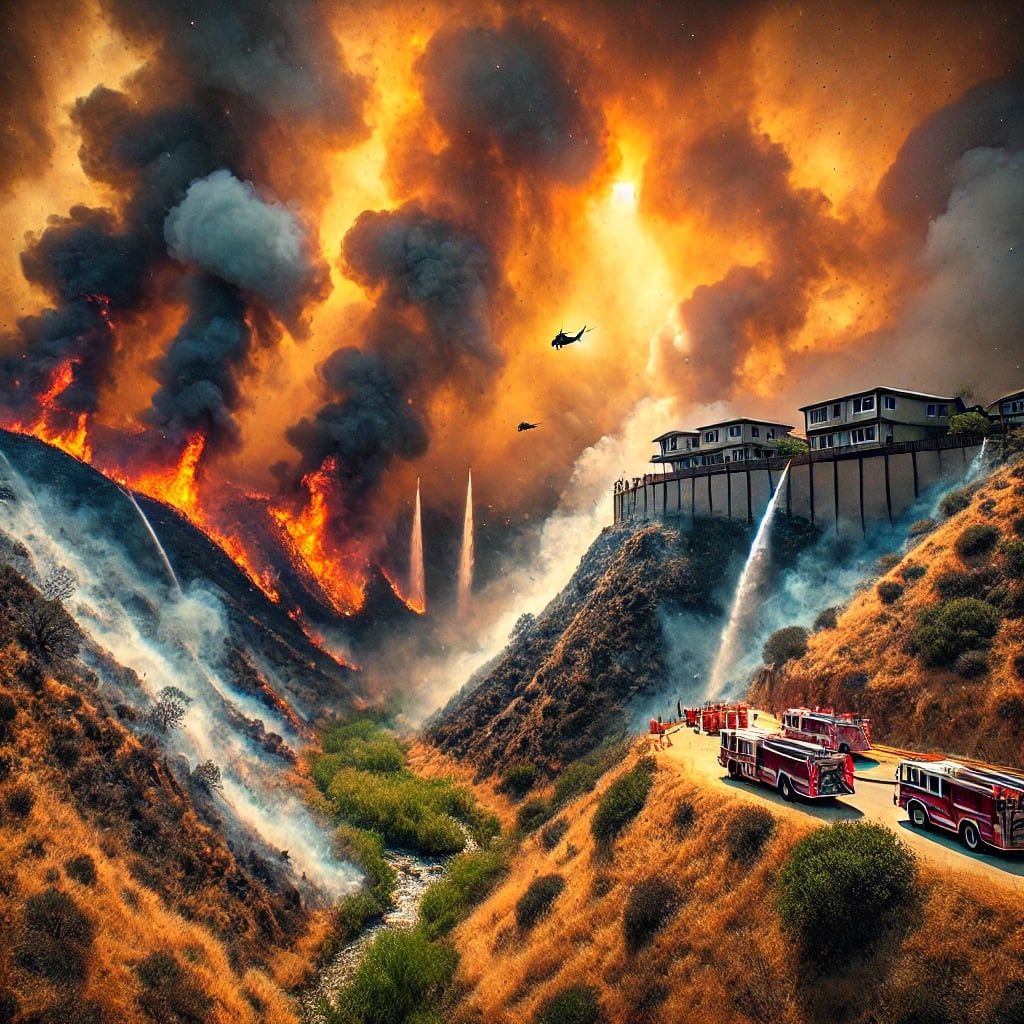
Wildfires are an ever-present threat to many communities across the globe, but few events have highlighted their destructive power quite like the Palisades Fire. This blaze, which erupted in the Pacific Palisades region of California, not only wreaked havoc on the local environment but also served as a chilling reminder of the growing risks posed by climate change, urban expansion, and human negligence.
The Origins of the Fire
The Palisades Fire began on May 14, 2021, in a canyon area near Topanga State Park. While the cause of the fire was initially unclear, investigations later suggested that it was likely human-caused. Authorities arrested a suspect on suspicion of arson, underscoring the unfortunate role human activity can play in sparking devastating wildfires.
Fanned by dry conditions and aided by the rugged, steep terrain of the area, the fire quickly spread, burning through over 1,200 acres of chaparral, brush, and forested land. This rapid growth was a stark reminder of how California's unique topography and climate create a perfect storm for wildfire outbreaks.
The Environmental Toll
The environmental damage caused by the Palisades Fire was significant. The region is home to a diverse array of plant and animal species, many of which are already under pressure due to habitat loss and climate change. Chaparral, a dense shrubland characteristic of Southern California, is well-adapted to periodic fires, but the frequency and intensity of recent fires have outstripped the natural recovery cycle. This can lead to a loss of native species and an increase in invasive plants, further destabilizing local ecosystems.
Wildfires also release large amounts of carbon dioxide, a greenhouse gas, into the atmosphere. The Palisades Fire contributed to this troubling trend, exacerbating the very climate conditions that make such fires more likely. Additionally, the fire destroyed vital vegetation that helps prevent soil erosion, raising concerns about landslides in the region, particularly during the rainy season.
The Human Impact
While the Palisades Fire fortunately did not result in any fatalities, its impact on human lives was profound. The blaze prompted mandatory evacuations for hundreds of residents, forcing people to flee their homes with little more than the clothes on their backs. For many, this was a traumatic reminder of the precariousness of living in wildfire-prone areas.
The fire also placed immense strain on local firefighting resources. Nearly 540 firefighters were deployed to combat the blaze, employing helicopters and fixed-wing aircraft to drop water and retardant on the flames. Their efforts were heroic and undoubtedly prevented further destruction, but they also highlighted the immense costs—both financial and human—of battling increasingly frequent and severe wildfires.
Broader Implications and Lessons Learned
The Palisades Fire is far from an isolated incident. California has seen a dramatic increase in the frequency and severity of wildfires in recent years, a trend driven by a combination of factors. Prolonged droughts, rising temperatures, and changing weather patterns—all linked to climate change—have created conditions ripe for wildfires. At the same time, urban sprawl has pushed more homes and communities into fire-prone areas, increasing the potential for loss of life and property.
This fire serves as a wake-up call for policymakers, urban planners, and individuals alike. Mitigating the risk of future wildfires will require a multifaceted approach. On a macro level, governments must invest in climate change mitigation strategies, such as reducing greenhouse gas emissions and transitioning to renewable energy sources. Locally, better land management practices, including controlled burns and the removal of dead vegetation, can help reduce the fuel available for fires.
Homeowners and communities also have a role to play. Fire-resistant building materials, defensible space around properties, and adherence to evacuation plans can make a significant difference in minimizing the impact of wildfires.
A Call to Action
The Palisades Fire is a stark reminder of the interconnectedness of environmental, social, and economic issues. While the immediate focus is often on extinguishing the flames and rebuilding what was lost, it’s crucial to address the underlying causes of these disasters to prevent future tragedies.
Education is a key part of this effort. Raising awareness about the role of climate change in exacerbating wildfires, the importance of fire-safe practices, and the need for community preparedness can empower individuals to take action. Advocacy is equally important, as citizens must hold leaders accountable for implementing policies that address the root causes of these disasters.
The Road Ahead
As the embers of the Palisades Fire cooled, residents of Pacific Palisades and the surrounding areas were left to grapple with the aftermath. For some, this meant repairing damaged homes and infrastructure. For others, it was a time of reflection—a moment to consider how to better prepare for the next wildfire, which, given current trends, is likely only a matter of time.
The Palisades Fire, like so many others before it, underscores the need for a collective response to the growing threat of wildfires. From individuals and communities to governments and global organizations, everyone has a role to play in addressing the root causes and mitigating the impacts of these disasters. By working together, we can hope to build a future where such fires are less frequent, less destructive, and less devastating to both people and the planet.
About the Creator
Keep reading
More stories from Razia Aman and writers in Earth and other communities.
Greenland: The Land of Ice, Mystery, and Opportunity
Introduction Greenland, the world's largest island, is a land of staggering natural beauty and untapped potential. Located between the Arctic and Atlantic oceans, Greenland is often associated with its icy landscapes, but there is far more to this remote and fascinating place than meets the eye. From its unique geography and culture to its critical role in the global climate system, Greenland is a place of contrasts that captivates explorers, scientists, and travelers alike.
By Razia Amanabout a year ago in Earth


Comments
There are no comments for this story
Be the first to respond and start the conversation.