
Global Climate Manipulation
Navigating the Controversial Terrain of Climate Manipulation
The clock is ticking, and we must act swiftly to address climate change. The stakes are high, and we cannot take any risks. We need to investigate all possible options for mitigating climate change, and we need to do it quickly
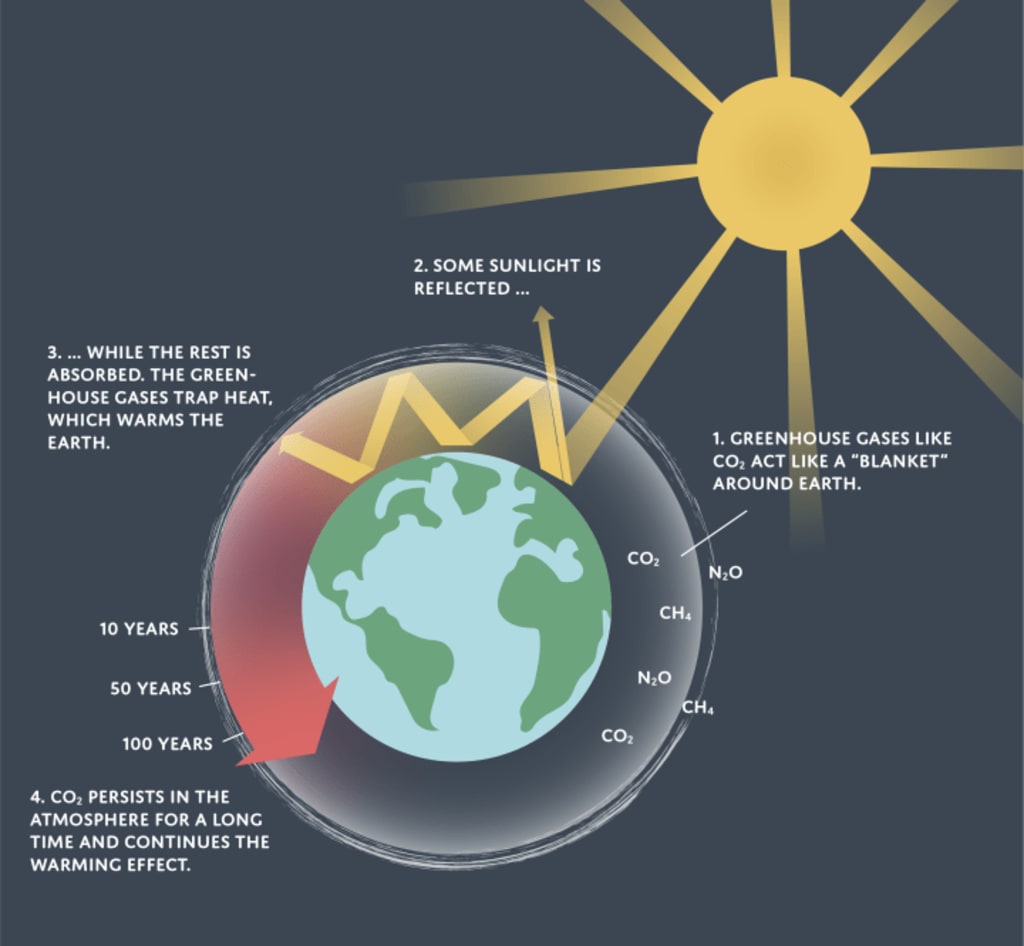
Global climate manipulation, often referred to as climate engineering or geoengineering, encompasses a range of deliberate interventions in Earth's climate system. These interventions are aimed at mitigating the impacts of climate change or altering climate patterns. One prominent approach is Solar Radiation Management (SRM), which involves reflecting a portion of the sun's energy away from the Earth by deploying reflective particles or mirrors in the atmosphere. While SRM could help cool the planet in the short term, it raises ethical, environmental, and geopolitical concerns.
Another form of climate manipulation is Carbon Dioxide Removal (CDR). This approach seeks to remove excess CO2 from the atmosphere, primarily through techniques like afforestation, reforestation, and direct air capture. CDR holds potential for long-term climate stabilization but comes with challenges such as land use competition and energy requirements for deployment at scale.
The ethics and governance of climate manipulation are hotly debated. Concerns over unintended consequences, regional imbalances, and the potential for weaponization of climate technologies are paramount. Balancing the need to address climate change with the risks and uncertainties associated with these interventions requires careful consideration and international cooperation.
In conclusion, global climate manipulation presents a complex and controversial set of options for addressing climate change. While it may offer solutions to combat global warming, the ethical and practical challenges surrounding these interventions necessitate rigorous research, regulation, and global consensus to ensure responsible and sustainable climate management.
Global climate manipulation, an intriguing and polarizing concept, involves deliberate human interventions in the Earth's climate system. These interventions, often referred to as geoengineering or climate engineering, have garnered attention due to the escalating climate crisis. As we witness the devastating consequences of climate change, the idea of intentionally altering the climate is both compelling and fraught with complexity.
One of the primary techniques within climate manipulation is Solar Radiation Management (SRM). SRM aims to reduce the Earth's temperature by reflecting a portion of the sun's energy back into space. This could be achieved by releasing reflective aerosols into the stratosphere or placing giant mirrors in orbit. While SRM holds the potential to rapidly cool the planet, it raises concerns about unforeseen regional climate disruptions and the ethical implications of playing with Earth's climate system.
Another approach is Carbon Dioxide Removal (CDR), which focuses on removing excess carbon dioxide (CO2) from the atmosphere. This method addresses the root cause of global warming by actively reducing greenhouse gas concentrations. Strategies like afforestation (planting trees), reforestation (restoring forests), and direct air capture (mechanically extracting CO2 from the air) are part of the CDR toolkit. CDR offers long-term climate stabilization benefits but presents challenges related to the scale of implementation and energy requirements.
Ethical considerations loom large in the realm of climate manipulation. Intentionally modifying the climate system carries profound moral implications. Questions of responsibility, accountability, and potential harm to marginalized communities arise. Decisions made in one part of the world could have far-reaching consequences for others, making global governance and ethical frameworks essential components of any climate manipulation discussion.
The governance of climate manipulation remains a contentious issue. The absence of clear international regulations raises concerns about unilateral actions and potential misuse of these technologies. Striking a balance between addressing the pressing need for climate action and ensuring responsible and ethical climate manipulation practices is a complex endeavor that requires global cooperation, transparency, and ongoing research.
In conclusion, global climate manipulation represents a compelling yet contentious set of strategies in the fight against climate change. As we grapple with the escalating climate crisis, the need for innovative solutions is undeniable. However, the ethical, environmental, and governance challenges associated with these interventions must be addressed with utmost care and caution. The path forward requires a collaborative effort, emphasizing scientific rigor, international consensus, and ethical considerations to navigate this uncharted territory and secure a sustainable future for our planet.
About the Creator
Tharindu Thiwanka Dilshara
Hi I’m Tharindu Thiwanka, 25, Civil Technical Officer. Passion for structural design and the environment. Striving for sustainable harmony.
Keep reading
More stories from writers in Earth and other communities.
‘Green Arabia’: Saudi Arabia’s Vast Deserts Were Once Rivers, Lakes, and Grasslands, Studies Show
Saudi Arabia’s iconic deserts, with their endless dunes and arid expanses, are often seen as the epitome of extreme dryness. However, recent studies reveal a surprising chapter in the region’s geological and ecological history: vast parts of what is now the Arabian Desert were once verdant landscapes, complete with rivers, lakes, and flourishing grasslands. This discovery not only challenges our understanding of the region’s past but also offers insights into climate change, human migration, and the evolution of ecosystems in one of the world’s harshest environments.
By Fiazahmedbrohi 5 days ago in Earth
Storm Goretti Wreaks Havoc Across the UK — As It Happened
The United Kingdom faced one of its most disruptive winter storms in recent years as Storm Goretti swept across the nation, bringing heavy rain, strong winds, and freezing conditions. From northern Scotland to southern England, communities grappled with transport chaos, power outages, and warnings from authorities urging people to stay indoors. Here’s a detailed look at the storm’s impact as it unfolded.
By Fiaz Ahmed 4 days ago in Earth




Comments (1)
Very interesting work! Well done!