
Giza Pyramids
History, Architecture, Significance, and Preservation of the Giza Pyramids

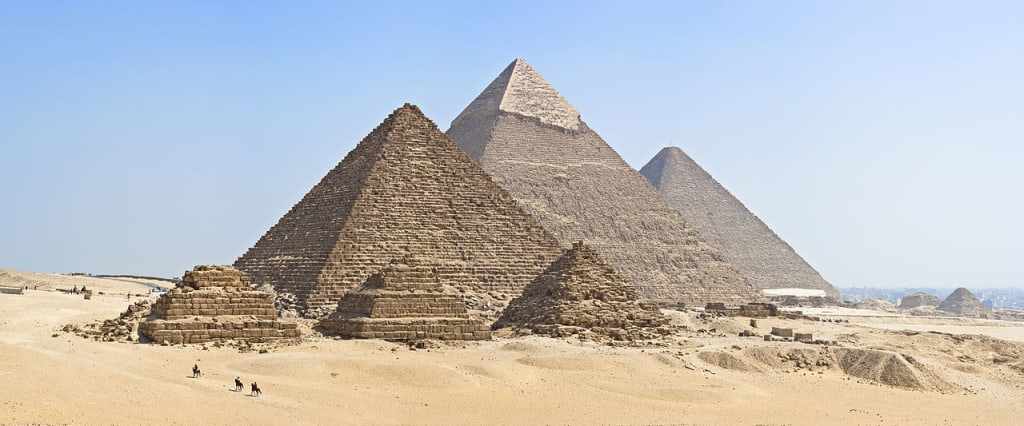
The Giza Pyramids are a complex of ancient Egyptian pyramids located on the outskirts of Cairo, Egypt. They were built over a period of more than 80 years by pharaohs Khufu, Khafre, and Menkaure during the Old Kingdom period, from approximately 2580 BC to 2500 BC.
The Great Pyramid of Giza, also known as the Pyramid of Khufu, is the largest and most famous of the three pyramids, standing over 450 feet (137 meters) tall. It was the tallest man-made structure in the world for more than 3,800 years until the construction of the Eiffel Tower in 1889. The other two pyramids, known as the Pyramid of Khafre and the Pyramid of Menkaure, are slightly smaller but still impressive in their own right.
The Giza Pyramids were built as tombs for the pharaohs and their consorts, and were believed to be the vehicles that carried their souls to the afterlife. The pyramids were originally covered in smooth, white limestone, which has largely eroded away over time, leaving the rough, stepped appearance that we see today.
The Giza Pyramids remain one of the most iconic and mysterious structures of the ancient world, and continue to inspire awe and wonder in visitors from around the world. They are also an important part of Egypt's cultural heritage and a symbol of the country's rich history and legacy.
The Giza Pyramids were built using advanced engineering techniques and sophisticated tools, many of which are still not fully understood today. For example, it is not clear how the ancient Egyptians were able to transport the massive blocks of limestone used in the construction of the pyramids from quarries located several miles away. Some researchers believe that they may have used a system of ramps, while others have proposed more unconventional theories, such as the use of water channels or anti-gravity devices.
The Giza Pyramids also contain a number of intricate internal chambers and passageways, some of which are lined with beautiful hieroglyphic inscriptions and intricate carvings. These chambers were designed to protect the pharaoh's body and his treasures, and to serve as a place of worship and ritual.
The Giza Pyramids have been the subject of intense study and speculation for centuries, and continue to be a major focus of archaeological research and investigation. Despite the many mysteries that still surround these ancient structures, they remain one of the greatest achievements of human engineering and a testament to the ingenuity and creativity of the ancient Egyptians.
In addition to the pyramids themselves, the Giza Plateau also includes a number of other important ancient Egyptian structures, including the Great Sphinx, which is a massive limestone statue of a mythical creature with the body of a lion and the head of a human. The Sphinx is believed to have been built during the reign of Khafre, and was intended to serve as a guardian of the pyramids and the pharaoh's ka, or life force.
The Giza Plateau was also the site of a number of smaller pyramids and tombs, many of which were built for members of the royal family and high-ranking officials. These structures provide important insights into the social and cultural context of the Giza Pyramids, and the role that they played in ancient Egyptian society.
Today, the Giza Pyramids and the surrounding plateau are one of Egypt's most popular tourist attractions, drawing millions of visitors each year. In addition to the pyramids themselves, visitors can explore the Sphinx, the many tombs and temples located on the plateau, and the nearby Egyptian Museum, which houses a vast collection of ancient artifacts and treasures.
Despite their enduring fame and significance, the Giza Pyramids are also facing a number of threats, including the effects of climate change, rising groundwater levels, and the impact of tourism on the surrounding landscape. Efforts are underway to protect and preserve these ancient structures for future generations, while also ensuring that they remain accessible to visitors from around the world.
About the Creator
The New Gold Rush is Happening at Wastewater Treatment Plants
I never thought much about where wastewater goes after it leaves my house until I read a study from Arizona State University. Researchers tested sewage sludge from cities across America and found something remarkable.
By Marcus Briggsa day ago in Earth
UAE Enters Al Shabt: Brace for Winter’s Coldest Days
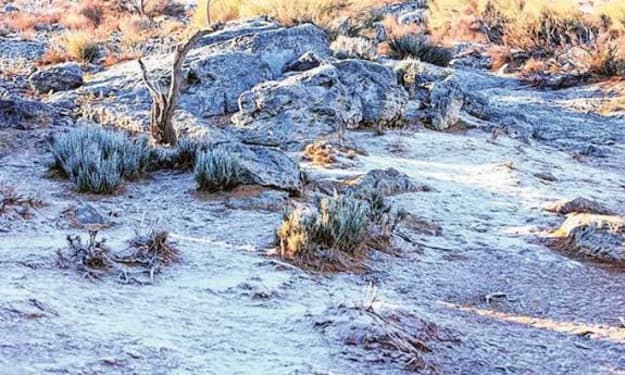
The United Arab Emirates is set to experience one of the harshest winter spells in recent memory as the country enters Al Shabt, a period traditionally associated with extreme cold. Residents across the emirates are being urged to prepare for temperatures that are expected to drop well below seasonal averages, with potential disruptions to daily life, travel, and energy consumption. Meteorologists have warned that Al Shabt, historically marked by icy winds and sudden temperature dips, will this year be particularly severe due to a combination of regional weather patterns and shifting global climatic trends. Forecasters predict nighttime temperatures in some areas could drop to as low as 8–10°C, a significant decline for a country more accustomed to mild winters. Coastal regions may experience slightly warmer conditions, but the cold will be intensified by strong northern winds sweeping across the Arabian Peninsula. Understanding Al Shabt Al Shabt, which translates to “the coldest part of winter,” is a term deeply embedded in Gulf traditions. Historically, Bedouins and farmers used the period to plan agricultural activities, livestock care, and resource management. Today, while modern infrastructure and urban planning mitigate some effects of the cold, the cultural significance remains, and residents are reminded of its intensity through historical observations and local weather lore. “Al Shabt is more than a cultural marker—it’s a meteorological reality,” said Dr. Aisha Al Mansoori, a senior climatologist at the UAE National Center for Meteorology. “We are observing patterns that suggest this Al Shabt could be colder than usual. Residents should take precautions, especially in northern and inland regions where the temperature drop will be most pronounced.” Preparing for the Cold Authorities across the UAE are taking proactive measures to help residents and businesses prepare for the upcoming cold spell. The Ministry of Interior has issued advisories for motorists to check vehicle heating systems and tire conditions, while electricity and water authorities are ensuring that energy grids are ready for increased demand. Hospitals and emergency services have also been put on alert to handle potential cold-related health incidents. Schools and universities are expected to remain open, but parents are being advised to dress children in warm layers and limit outdoor exposure, especially during early morning and late evening hours. Workplaces are encouraged to implement flexible schedules to reduce the risks associated with commuting during frigid mornings. Travel and Transportation Challenges The UAE’s extensive road network and urban infrastructure may face some challenges during Al Shabt. While snow is highly unlikely, fog formation during the early morning hours could reduce visibility, leading to potential travel disruptions. Aviation authorities are coordinating with meteorologists to monitor conditions at major airports, ensuring that flights remain on schedule while prioritizing passenger safety. “Drivers should exercise caution and plan extra time for their journeys,” said Hamad Al Suwaidi, a senior official at the Roads and Transport Authority. “Even a minor dip in temperature can create slick roads in certain areas, and we advise everyone to remain vigilant and adhere to safety guidelines.” Impact on Daily Life Beyond transportation, the cold weather is expected to affect outdoor events, construction projects, and energy consumption. Many outdoor workers may need additional protective clothing, while households will see a surge in electricity usage for heating. Retailers and service providers are preparing for increased demand for warm clothing, heaters, and other winter essentials. Health experts emphasize the need for precautions, particularly among vulnerable populations such as the elderly, children, and individuals with preexisting conditions. “Cold weather can exacerbate respiratory illnesses and cardiovascular problems,” said Dr. Mohammed Al Hammadi, a public health specialist. “Hydration, proper clothing, and staying indoors during the coldest hours are key measures to minimize health risks.” Looking Ahead While Al Shabt is expected to last for several days, meteorologists suggest that the period of extreme cold will gradually ease as the region transitions toward milder winter conditions. Nevertheless, residents are advised to remain prepared and informed, as sudden weather shifts are common in the Gulf. “The key to navigating Al Shabt is awareness and readiness,” Dr. Al Mansoori concluded. “The cold may be intense, but with proper precautions and respect for the weather, residents can stay safe and even enjoy the unique aspects of this traditional winter period.” In the coming days, the UAE will experience an unusual contrast—desert landscapes typically associated with warmth will be gripped by biting cold, reminding residents of the country’s diverse climatic character. As the nation braces for Al Shabt, the emphasis is on preparation, safety, and resilience, ensuring that the coldest days of winter are met with caution rather than surprise.
By Fiaz Ahmed Brohi5 days ago in Earth
Autonomy Is The Real Privilege
Good morning, freedom-seekers! Today we’re gonna be looking at autonomy. A strange word, I know; one many would probably look at blankly and run away from on sight. We’re gonna figure out what it actually means, consider how it’s achieved, and decipher just how deeply most of us are tangled up in dependence without realising it.
By That ‘Freedom’ Guyabout 12 hours ago in Humans


Comments
There are no comments for this story
Be the first to respond and start the conversation.