
Geology: Unraveling the Earth's Past, Present, and Future
A Window into Earth's Past, Present, and Future


Introduction
Geology, the scientific study of the Earth's materials, processes, and history, is an essential discipline that provides valuable insights into the planet's evolution and its interactions with the forces of nature. From the dynamic processes of plate tectonics to the formation of mountains, the creation of rocks, the study of fossils, and the exploration of Earth's vast mineral and energy resources, geology plays a pivotal role in our understanding of the world around us. This comprehensive exploration will delve into the various facets of geology, encompassing its historical development, fundamental concepts, major subfields, and its significance in shaping our lives and the future of our planet.
Historical Development of Geology
The roots of geology can be traced back to ancient civilizations, where early humans observed rocks, fossils, and landforms, attempting to interpret the Earth's mysteries. However, it was not until the 17th and 18th centuries that the foundations of modern geology were laid. Pioneering figures like James Hutton, Charles Lyell, and Nicholas Steno revolutionized geological thinking, advocating the concept of deep geological time and the principle of uniformitarianism. The discovery of fossils and their interpretation as remnants of past life further fueled the understanding of Earth's history and the concept of evolution.
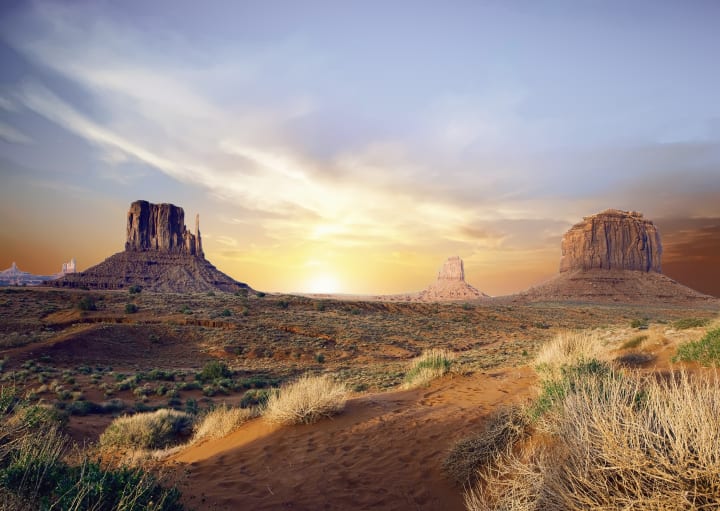
Plate Tectonics: Earth's Dynamic Engine
One of the most groundbreaking theories in geology is plate tectonics, which explains the movement and interactions of Earth's lithospheric plates. This section will delve into the development of the plate tectonics theory, the driving forces behind plate movement, and the resulting geological phenomena such as earthquakes, volcanoes, and mountain building. Additionally, we will explore the role of plate tectonics in shaping the Earth's surface, including the creation of continents, ocean basins, and the concept of supercontinents throughout geological history.
Rocks and Their Formation
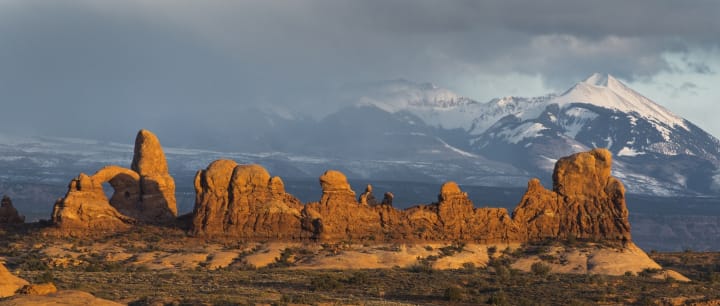
Rocks are the building blocks of the Earth's crust, and their study is fundamental to geology. This section will delve into the three main types of rocks: igneous, sedimentary, and metamorphic. We will explore the formation processes of each rock type, their distinctive features, and the significance of their occurrence in different geological settings. Additionally, we will examine the processes of rock weathering and erosion, which contribute to shaping the Earth's surface over time.
Fossils and Paleontology: Unraveling Earth's Past Life
Fossils provide a unique window into the past, revealing the diversity of life forms that once inhabited the Earth. This section will explore the science of paleontology, including the discovery, classification, and interpretation of fossils. We will also discuss how fossils contribute to our understanding of evolutionary history and the reconstruction of past environments.
The Geological Time Scale
Geological time scales are crucial tools in deciphering the Earth's history. In this section, we will examine the principles and methods used to establish the geological time scale. We will explore the different eons, eras, periods, and epochs that divide Earth's history into distinct units, allowing geologists to correlate events and understand the sequence of past geological events.
Volcanoes and Volcanism
Volcanoes are awe-inspiring manifestations of Earth's internal heat and activity. This section will delve into the geological processes behind volcanic eruptions, including the formation of magma, the types of volcanic eruptions, and the various landforms created by volcanic activity. We will also examine the importance of volcanoes in shaping the Earth's atmosphere, climate, and their significance as geological hazards.
Earthquakes and Seismology
Earthquakes are the result of tectonic forces causing the sudden release of energy within the Earth's crust. This section will explore the science of seismology, which studies seismic waves generated by earthquakes to understand the Earth's internal structure. We will discuss earthquake monitoring, the development of early warning systems, and the impact of earthquakes on human communities and the natural environment.
Geomorphology: Sculpting the Earth's Surface
Geomorphology investigates the formation and evolution of landforms on the Earth's surface. This section will explore the processes of erosion, weathering, and deposition that shape landscapes, including mountains, valleys, river systems, and coastal features. We will also discuss the impact of climate change and human activities on geomorphological processes.
Mineralogy: Exploring Earth's Hidden Treasures
Minerals are essential components of rocks and have numerous industrial applications. In this section, we will delve into mineralogy, the study of minerals' properties, occurrences, and uses. We will explore the processes of mineral formation, the identification of minerals, and their significance in various economic activities.
Economic Geology: Unearthing Earth's Resources
Economic geology focuses on the exploration and extraction of Earth's valuable resources, such as ores, oil, natural gas, coal, and gemstones. This section will explore the processes of resource formation, the techniques used in exploration, and the environmental and societal implications of resource extraction.
Environmental Geology: Preserving Earth's Fragile Balance
Environmental geology examines the interactions between human activities and the Earth's surface. This section will discuss the assessment and management of geological hazards, including landslides, floods, and coastal erosion. We will also explore the importance of geological expertise in environmental impact assessments, land-use planning, and sustainable development.
Conclusion
Geology is a multifaceted discipline that unravels the intricate history and dynamic processes of our planet. From understanding the movements of tectonic plates to interpreting ancient fossils, exploring the vast mineral resources, and mitigating geological hazards, geology has a profound impact on our lives and the future of the Earth. Through continued research and environmental stewardship, geologists play a crucial role in preserving the planet for future generations. Embracing the principles of sustainable development and environmental conservation will be key in safeguarding the Earth's delicate balance for the challenges that lie ahead.
About the Creator
Anaz
Earth Related Topics
Green Earth: Nurturing Our Planet for a Sustainable Future
Reader insights
Outstanding
Excellent work. Looking forward to reading more!
Top insights
Compelling and original writing
Creative use of language & vocab
Easy to read and follow
Well-structured & engaging content
Excellent storytelling
Original narrative & well developed characters
Expert insights and opinions
Arguments were carefully researched and presented
Eye opening
Niche topic & fresh perspectives
Masterful proofreading
Zero grammar & spelling mistakes
On-point and relevant
Writing reflected the title & theme
Hunt for the Names of Mysterious Dwarf Planets
Far beyond the familiar planets of our solar system lies a cold, dark region filled with icy bodies, ancient debris, and mysterious worlds yet to be fully understood. Among these distant objects are dwarf planets, many of which orbit on the fringes of our solar system in regions like the Kuiper Belt and beyond. While some, such as Pluto, have captured public imagination for decades, many others remain unnamed, sparking a fascinating hunt among astronomers to discover, study, and ultimately name these elusive celestial bodies.
By Aarif Lashari2 days ago in Earth
Spotlight on the Risks of An Exploding Sea Urchin Population
The marine ecosystem is a complicated place full of millions of species and hundreds of thousands of critically interdependent relationships. While the decline of some species populations might have only marginal effects on the health of the world’s oceans, others could set off a chain of events that could ultimately be catastrophic.
By Virginia Chipurnoiabout an hour ago in Earth



Comments (6)
wow
Good
In reading your pieces I sense a teacher or even a professor and maybe even a textbook writer.
Great
inspirational, hope you always write
good work. thanks for sharing