
Fraudster DJ Carey Moved to Same Prison Landing as Kinahan Gangsters
Prison placement decision raises questions about security, safety, and prison management
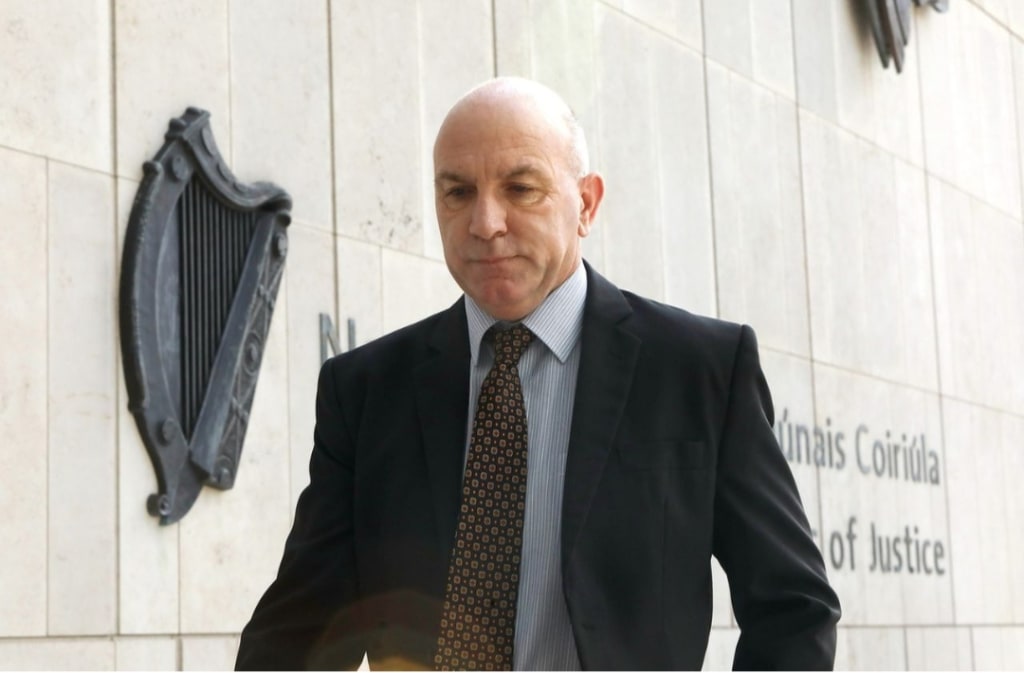
Reports that former sports figure DJ Carey, convicted in a fraud case, has been moved to the same prison landing as inmates linked to the Kinahan organized crime network have sparked public discussion about prison safety, inmate classification, and correctional system procedures.
The development has drawn attention not only because of the individuals involved, but also because it highlights broader issues about how prison authorities manage inmate placement, particularly in facilities housing individuals connected to high-profile criminal networks.
Background of the Case
DJ Carey, once widely recognized for sporting achievements, later faced legal proceedings related to fraud offenses. His conviction marked a dramatic shift from public sporting figure to criminal justice case subject.
Meanwhile, the Kinahan network has been widely reported as a major organized crime group involved in international criminal activities. Law enforcement agencies across multiple countries have previously identified the group as a significant organized crime threat.
While prisons often house inmates from different backgrounds, the placement of individuals connected to high-profile cases can draw public and media attention.
How Prison Placement Decisions Are Made
Correctional systems typically use classification processes to determine where inmates are housed. These decisions usually consider multiple factors such as:
Security risk level
Nature of criminal conviction
Known gang or network connections
Personal safety concerns
Behaviour inside prison
Prison authorities aim to balance safety, operational efficiency, and rehabilitation considerations.
Why This Placement Has Drawn Public Attention
Cases involving high-profile individuals or organized crime groups often generate heightened public interest. Some observers question whether mixing inmates connected to organized crime networks with other prisoners increases safety risks.
Public concerns often include:
Potential intimidation risks
Influence of organized crime networks inside prisons
Staff safety and management challenges
Prisoner protection responsibilities
However, correctional experts often note that prison placement decisions are made based on detailed risk assessments rather than public perception.
The Challenge of Managing Organized Crime Inmates
Housing individuals connected to organized crime networks presents unique challenges for prison systems worldwide.
Authorities often must monitor:
Communication between inmates
Potential recruitment or influence inside prisons
Financial or criminal activity coordination
Safety risks to other prisoners
Some prisons operate special high-security units designed specifically for organized crime or gang-related inmates.
High-Profile Prisoners and Public Perception
When high-profile prisoners are involved, media attention can influence public perception of prison safety and fairness. However, prison administrators often emphasize that operational decisions are based on security data and professional assessments.
Experts often stress that:
High-profile status does not necessarily change risk classification
Equal treatment under prison rules is important
Safety assessments must remain evidence-based
Prison Safety and Staff Responsibilities
Prison staff play a key role in maintaining order and safety in facilities housing diverse inmate populations. Managing complex prisoner relationships requires constant monitoring and training.
Key responsibilities often include:
Monitoring inmate interactions
Preventing gang-related activity
Managing conflict risks
Ensuring compliance with prison regulations
Modern prison systems often use surveillance technology and intelligence sharing to manage security risks.
The Broader Issue of Prison Overcrowding and Resources
In some regions, prison placement decisions can be influenced by available space and resource limitations. Overcrowding can create additional operational challenges.
Experts often point out that:
Overcrowded prisons increase safety risks
Limited resources can reduce monitoring capacity
Infrastructure limitations affect separation strategies
Many governments continue to face pressure to reform prison systems to improve safety and rehabilitation outcomes.
Organized Crime Influence Inside Prisons
Globally, law enforcement agencies recognize that organized crime groups sometimes attempt to maintain influence inside prison systems. This can include communication with outside networks or attempts to recruit vulnerable inmates.
To address these risks, authorities often use:
Intelligence monitoring
Restricted communication measures
Separate housing units when needed
Coordination with national law enforcement
The Rehabilitation Perspective
Modern correctional philosophy increasingly focuses on rehabilitation alongside punishment. Safe prison environments are considered essential for successful rehabilitation programs.
Rehabilitation efforts may include:
Education programs
Psychological support
Skills training
Reintegration planning
Experts argue that prison stability improves rehabilitation outcomes.
What Happens Next
In cases involving high-profile placements, prison authorities typically continue monitoring safety and operational risks. Adjustments to housing arrangements may be made if risk assessments change.
Correctional oversight bodies may also review procedures to ensure policies are being followed correctly.
Conclusion
The reported placement of fraud convict DJ Carey on the same prison landing as inmates linked to the Kinahan crime network has highlighted broader questions about prison management, safety, and organized crime monitoring inside correctional facilities.
While public attention often focuses on the individuals involved, correctional experts emphasize that prison placement decisions are typically based on detailed risk assessments and operational considerations. The case serves as a reminder of the complex challenges prison systems face when balancing safety, fairness, and rehabilitation goals.
As prison systems continue evolving, managing organized crime risks while ensuring safe and stable environments for all inmates remains a critical priority for authorities worldwide.
About the Creator
Keep reading
More stories from Aarif Lashari and writers in Earth and other communities.
Day Will Turn to Night: Astronomers Officially Confirm Date of the Longest Solar Eclipse of the Century
Astronomers have officially confirmed the date of what is expected to be the longest solar eclipse of the century, an extraordinary celestial event that will temporarily turn day into night across parts of the world. The rare phenomenon is already generating excitement among scientists, space enthusiasts, and the general public.
By Aarif Lashariabout 12 hours ago in Earth



Comments
There are no comments for this story
Be the first to respond and start the conversation.