
Four Attacks in 48 Hours: How East Australia’s Beaches Became a ‘Perfect Storm’ for Sharks
Understanding the Surge in Shark Activity Along Australia’s Coast

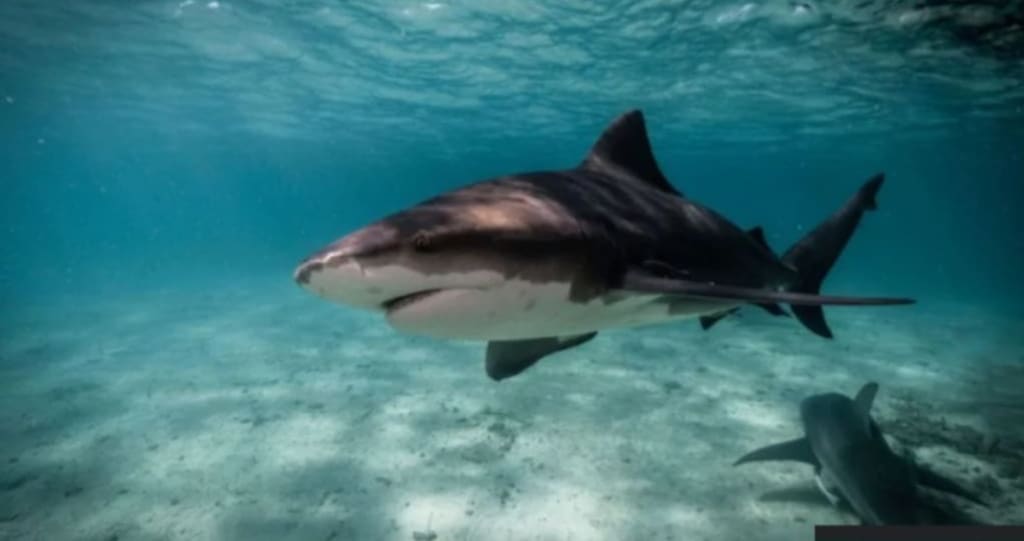
East Australia’s coastline has been rocked by four shark attacks in just 48 hours, sparking widespread concern among beachgoers, locals, and authorities alike. While no fatalities were reported in some of these incidents, the frequency and severity of the attacks have left residents and tourists questioning why once-popular swimming spots suddenly became dangerous.
Marine biologists suggest that a combination of environmental, ecological, and human factors may have created a “perfect storm” for shark activity, highlighting the delicate balance between humans and wildlife along Australia’s eastern shores.
The Recent Attacks
According to local authorities and media reports:
Attack 1: A surfer off Byron Bay suffered minor injuries before being rescued by nearby swimmers.
Attack 2: A fisherman off the Gold Coast experienced a close encounter when a large shark struck his boat.
Attack 3: A swimmer off Ballina was bitten on the leg and required hospitalization.
Attack 4: A bodyboarder off Coffs Harbour narrowly escaped after a shark lunged near the shore.
The cluster of incidents in such a short timeframe is highly unusual, prompting both investigations and precautionary beach closures. Lifeguards have issued warnings, and temporary bans on swimming and surfing in affected areas are in place.
Why Sharks Are Closer to Shore
Shark encounters have increased in recent years along parts of Australia’s coast, and experts point to several interrelated causes:
1. Warmer Ocean Temperatures
Rising sea temperatures due to climate change can alter migration patterns, bringing sharks closer to beaches in search of prey. Warmer waters also increase the activity of baitfish, which attracts larger predators like great whites.
2. Abundant Prey Near Shore
Sharks primarily hunt fish, seals, and other marine life. In areas where prey congregates near popular swimming spots — such as during spawning seasons or fish migrations — sharks may venture closer to humans.
3. Coastal Development
Increasing urbanization along the coast affects natural habitats and can displace marine life, leading predators to move nearer to beaches. Boat traffic, fishing, and changes in estuaries may inadvertently push sharks into areas where humans swim.
4. Rainfall and River Runoff
Heavy rainfall increases freshwater runoff into the ocean, which can bring nutrients and smaller fish closer to shore. This sudden abundance of prey may encourage sharks to linger near beaches longer than usual.
Human Activity and Risk Factors
Beachgoers also contribute, unknowingly, to shark encounters:
Swimming or surfing during dawn or dusk, when sharks are more active, increases the likelihood of encounters.
Wearing shiny jewelry or bright swimwear can mimic fish scales, attracting curious sharks.
Fishing near swimming zones can lure sharks close to humans.
Authorities recommend avoiding high-risk behaviors and adhering to local warnings, including staying in patrolled areas and using shark-detection apps where available.
The Role of Shark Research and Technology
Marine biologists emphasize the importance of ongoing research to understand why attacks surge. Modern technology is helping:
Drone surveillance: Provides real-time monitoring of shark activity near beaches.
Smart tagging: Tracks sharks’ movement patterns and helps predict high-risk areas.
Aerial patrols and sonar systems: Warn swimmers when sharks approach popular beaches.
Despite these measures, experts stress that complete prevention is impossible. Sharks are a natural part of Australia’s marine ecosystem, and their behavior can be unpredictable.
Public Response and Safety Measures
The recent attacks have sparked public debate over beach safety versus wildlife protection. Some measures already implemented include:
Temporary beach closures and red-flag warnings
Lifeguard patrols and rapid-response rescue teams
Public education campaigns about safe swimming times and areas
Deployment of shark nets or drumlines in high-risk zones (though controversial among conservationists)
Local councils are working to balance human safety with marine conservation, recognizing that sharks play a critical ecological role.
Environmental Impact and Conservation Concerns
While the surge in shark activity alarms humans, it also reflects broader environmental dynamics. Sharks are apex predators, and their presence indicates healthy marine ecosystems. Conservationists caution against reactive measures that could harm shark populations:
Overfishing reduces natural prey, pushing sharks toward shore
Culling or killing sharks disrupts ecological balance
Sustainable coexistence strategies, like detection systems and public awareness, are preferable to lethal measures
The challenge lies in living alongside predators responsibly, rather than trying to eliminate them from their natural habitats.
Lessons from the “Perfect Storm”
Experts describe the recent spike in attacks as a “perfect storm” — a combination of:
Environmental conditions (warm water, rainfall, prey abundance)
Human factors (swimming habits, coastal activity)
Natural shark behavior (migration, hunting instincts)
By understanding these factors, communities can minimize risk while respecting marine life. Education, technology, and responsible coastal planning are key components in preventing future incidents.
A Call for Coexistence
Shark attacks are tragic, but they are also rare relative to the number of people enjoying Australia’s beaches each year. The recent events serve as a reminder that humans are guests in the ocean ecosystem. Rather than fear, experts advocate for awareness, preparation, and respect.
Coastal residents and tourists alike are encouraged to:
Check local shark alerts before entering the water
Avoid swimming alone, especially at dawn or dusk
Use designated swimming areas with lifeguards
Follow environmental guidelines to preserve marine habitats
By taking these precautions, humans and sharks can share the coastline safely, preserving both life and the environment.
Final Thoughts
The four shark attacks in just 48 hours along East Australia’s beaches highlight the fragility and complexity of the human-wildlife interface. While these incidents understandably trigger fear, they also offer valuable insights into how climate, prey, and human behavior interact to create risk.
Rather than viewing sharks as enemies, coastal communities are learning that coexistence — supported by research, technology, and public awareness — is the best path forward. The “perfect storm” may test human nerves, but it also underscores the importance of respecting the ocean and its natural inhabitants.
About the Creator
Muhammad Hassan
Muhammad Hassan | Content writer with 2 years of experience crafting engaging articles on world news, current affairs, and trending topics. I simplify complex stories to keep readers informed and connected.
Keep reading
More stories from Muhammad Hassan and writers in Earth and other communities.
SC Upholds Tribunal Order Restoring Sessions Judge
The Supreme Court’s recent decision to uphold a tribunal order restoring a sessions judge has drawn significant attention across legal and public circles. The ruling is being seen as an important reaffirmation of judicial independence, procedural fairness, and the rule of law, especially at a time when judicial accountability and executive authority are often subjects of public debate.
By Muhammad Hassanabout 16 hours ago in Earth
Philippines Paper Bags Market: Packaging Shifts, Environmental Policy & Changing Consumption Patterns
Philippines Paper Bags Market Overview The Philippines paper bags market is undergoing a structural shift as environmental regulation, packaging reform and consumer awareness increasingly influence material choices across industries. According to IMARC Group, The Philippines paper bags market size was valued at USD 28.59 Million in 2025 and is projected to reach USD 46.95 Million by 2034, growing at a compound annual growth rate of 5.66% from 2026-2034. This expansion reflects gradual but consistent changes in packaging practices rather than a single disruptive trend.
By Manisha Dixit4 days ago in Earth




Comments
There are no comments for this story
Be the first to respond and start the conversation.