
SC Upholds Tribunal Order Restoring Sessions Judge
Supreme Court Reinforces Judicial Independence and Due Process

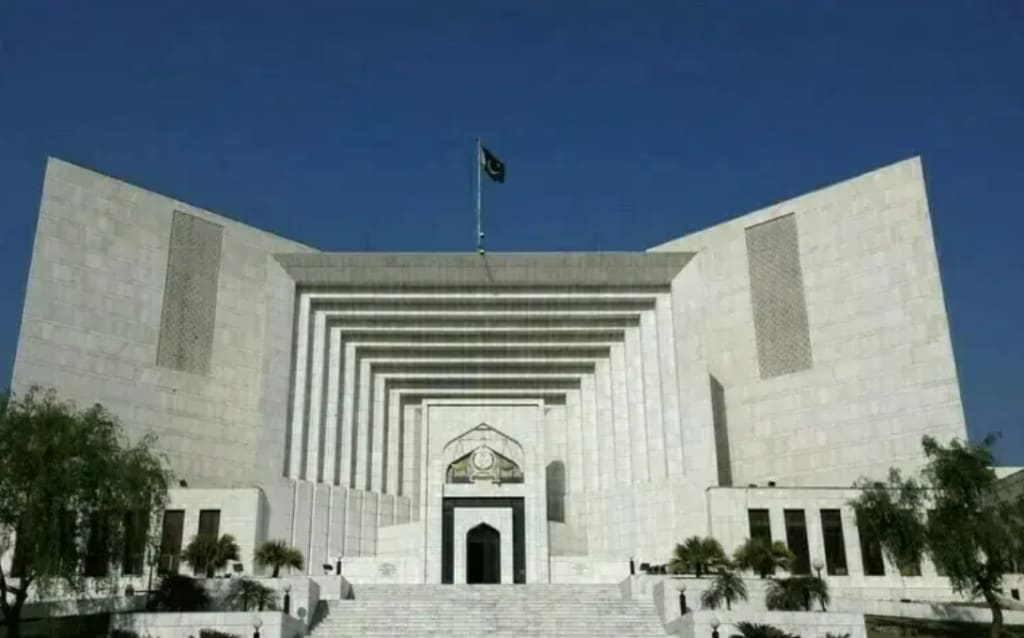
The Supreme Court’s recent decision to uphold a tribunal order restoring a sessions judge has drawn significant attention across legal and public circles. The ruling is being seen as an important reaffirmation of judicial independence, procedural fairness, and the rule of law, especially at a time when judicial accountability and executive authority are often subjects of public debate.
By siding with the tribunal’s decision, the Supreme Court sent a clear message: disciplinary actions against members of the judiciary must follow due process, be supported by evidence, and respect constitutional safeguards.
Background of the Case
The case revolves around a sessions judge who had previously been removed or sidelined following disciplinary proceedings. A tribunal later reviewed the matter and ordered the judge’s restoration, citing procedural lapses and lack of sufficient grounds for the action taken.
However, the tribunal’s decision was challenged, bringing the matter before the Supreme Court. The central question before the apex court was whether the tribunal had acted within its authority and whether the judge’s removal complied with established legal and constitutional norms.
After examining the facts, the Supreme Court upheld the tribunal’s ruling, restoring the sessions judge to service.
What the Supreme Court Ruled
In its judgment, the Supreme Court emphasized that judicial officers cannot be removed arbitrarily. The court noted that:
Disciplinary proceedings must follow clear procedures
Allegations must be supported by credible evidence
The accused must be given a fair opportunity to be heard
Decisions affecting judicial careers must respect institutional independence
The court agreed with the tribunal’s findings that the original action against the sessions judge failed to meet these standards, making the restoration legally justified.
Why This Ruling Matters
The ruling goes beyond the restoration of a single judge. It has broader implications for the justice system as a whole.
1. Strengthening Judicial Independence
Judicial independence is a cornerstone of democracy. Judges must be free to make decisions without fear of retaliation or undue pressure. By upholding the tribunal’s order, the Supreme Court reinforced the principle that judges cannot be punished for performing their duties lawfully and independently.
This decision reassures judicial officers that institutional protections exist to safeguard them against arbitrary actions.
2. Reinforcing Due Process
The judgment highlights the importance of due process in disciplinary matters. Even when allegations involve members of the judiciary, procedural safeguards cannot be bypassed.
The Supreme Court’s stance reinforces that fairness is not optional — it is a constitutional requirement.
3. Tribunal Authority Recognized
By validating the tribunal’s order, the Supreme Court also affirmed the role and authority of tribunals in reviewing administrative and disciplinary decisions. This recognition strengthens confidence in oversight mechanisms designed to ensure accountability within the system.
Public and Legal Community Reactions
The decision has been welcomed by many within the legal fraternity. Lawyers and legal scholars see the ruling as a necessary correction that restores balance between accountability and independence.
Some observers noted that while judicial accountability is essential, it must not come at the cost of fairness or be driven by vague or unsubstantiated claims.
At the same time, legal experts emphasized that the ruling does not shield judges from legitimate scrutiny — it simply ensures that such scrutiny follows the law.
Balancing Accountability and Independence
One of the ongoing challenges in any judicial system is maintaining the right balance between holding judges accountable and protecting them from undue influence.
The Supreme Court’s decision highlights this balance:
Judges must be accountable for misconduct
But disciplinary action must be transparent, evidence-based, and fair
Oversight mechanisms must not be misused
By restoring the sessions judge, the court demonstrated that accountability and independence are not opposing concepts but complementary ones.
Implications for Future Cases
This ruling may serve as a precedent in future disciplinary disputes involving judicial officers. Authorities handling such matters may now be more cautious, ensuring:
Proper documentation of allegations
Strict adherence to procedure
Respect for judicial safeguards
Tribunals, meanwhile, may feel more empowered to exercise their review authority, knowing their decisions carry constitutional weight when grounded in law.
Why This Matters to the Public
While judicial service matters may seem internal, they have real consequences for society. A judiciary that operates independently and fairly is essential for:
Protecting citizens’ rights
Ensuring equal access to justice
Maintaining public trust in institutions
When judges are treated unfairly, it undermines confidence in the legal system. Conversely, rulings like this one help restore faith that justice applies within the system as well as outside it.
A Message About Institutional Integrity
The Supreme Court’s decision sends a broader message about institutional integrity. It underscores that power — whether administrative or executive — must be exercised responsibly and within legal limits.
Institutions function best when checks and balances are respected. The tribunal’s role as a corrective body and the Supreme Court’s endorsement of that role reflect a healthy democratic process.
Final Thoughts
The Supreme Court’s decision to uphold the tribunal order restoring the sessions judge is a significant moment for judicial governance. It reinforces the principles of fairness, due process, and independence, reminding all stakeholders that the rule of law must prevail over arbitrary action.
While accountability remains essential, this ruling clarifies that it cannot be achieved by compromising justice itself. In restoring the judge, the Supreme Court restored more than a position — it reaffirmed trust in the legal system’s ability to correct its own course.
About the Creator
Muhammad Hassan
Muhammad Hassan | Content writer with 2 years of experience crafting engaging articles on world news, current affairs, and trending topics. I simplify complex stories to keep readers informed and connected.
Keep reading
More stories from Muhammad Hassan and writers in Earth and other communities.
Channing Tatum Cried ‘Five, Six, Seven Times’ at Josephine Premiere as Film Becomes First Sundance 2026 Sensation
The Sundance Film Festival has always been a place where raw emotion meets bold storytelling, but Sundance 2026 may have found its first true breakout already. At the world premiere of Josephine, actor Channing Tatum reportedly became so overwhelmed that he cried “five, six, seven times,” according to those in attendance. The moment quickly turned into one of the most talked-about scenes of the festival — not on screen, but in the theater itself.
By Muhammad Hassanabout 3 hours ago in Earth
The Human Side of the Storm: How Weather Radar Changed the Way I See the Sky
When I was a kid, watching the local meteorologist felt like watching a magician. The radar behind them—a swirl of greens, yellows, and reds—was an enchantment. They’d point, circle, and predict where the storm would move, and somehow, they were always close enough to right. I didn’t know it then, but I was watching the visible language of data before I ever knew what data was. The radar was our oracle, and every flash of color meant something invisible but immediate: wind, rain, and risk.
By Trend Vantageabout 12 hours ago in Earth
Saudi Arabia Flour Market Size and Forecast 2025–2033
The Saudi Arabia Flour Market is undergoing a significant transformation, supported by population growth, urbanization, dietary changes, and government initiatives to strengthen food security. According to Renub Research, the market is expected to grow from US$ 2.01 billion in 2024 to US$ 3.03 billion by 2033, registering a compound annual growth rate (CAGR) of 4.66% from 2025 to 2033.
By Sushant. Renub Researchabout 20 hours ago in Earth
Five—One Grounding
Five—Locked in a perpetual battle against my failing senses and reason, I fight to survive, to get through; I am afraid of... nothingandeverythingallatonce—...—my mouth is dry, and my muscles seize up... what can I see? I can see the birdcage and birds; I can see the watercolour my beautiful wife painted many years ago and unlocked her journey into art; I can see the empty mug of tea as it sits perilously on the arm of the sofa; how many is that now? Three down, two to go; I can also see a jackdaw on the roof of our neighbour's house across the road and a bookcase of potential—Five things you can see.
By Paul Stewart6 days ago in Poets




Comments
There are no comments for this story
Be the first to respond and start the conversation.