
Eyjafjallajökull: Unraveling the Icelandic Volcano's Eruption, Global Impact, Scientific Insights, and Environmental Significance
Tracing the Cataclysmic Eruption, Aviation Disruptions, Geologic Insights, and Ongoing Monitoring of Iceland's Remarkable Volcanic Wonder

Introduction
Eyjafjallajökull, a stratovolcano nestled in Iceland's captivating landscape, etched its name into modern history with a monumental eruption in 2010. The volcano's eruption reverberated globally, causing significant disruptions to air travel and sparking renewed scientific interest in Iceland's volatile geological activity. This comprehensive exploration navigates through Eyjafjallajökull's eruption history, its impact on global aviation, scientific insights gained, environmental significance, and ongoing monitoring efforts to understand and mitigate potential volcanic hazards.
Geological Origins and Majestic Landscape
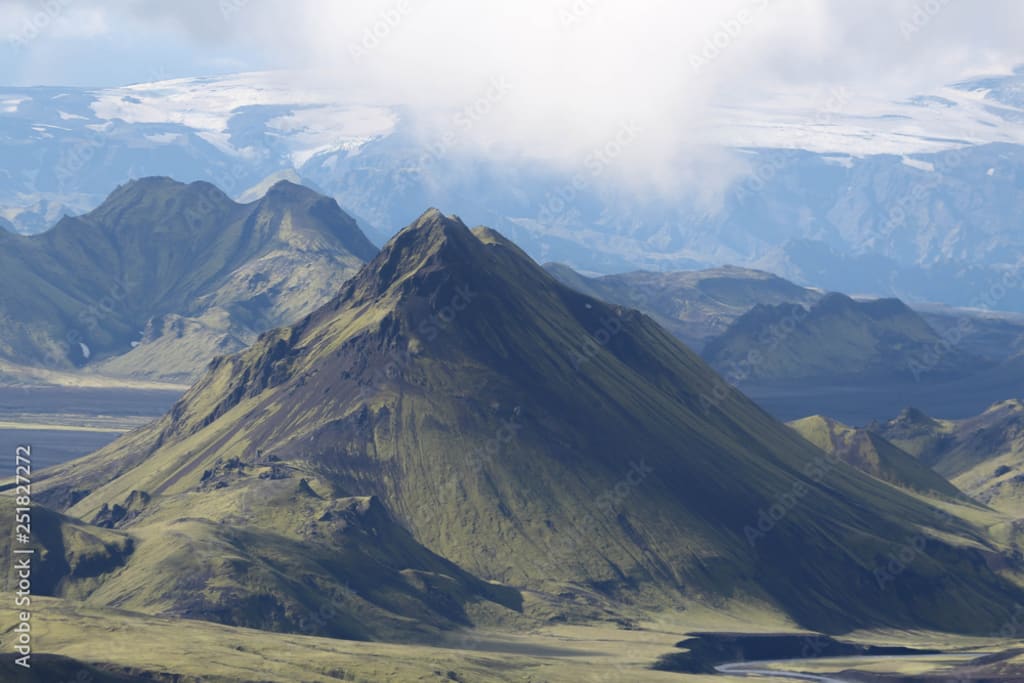
Eyjafjallajökull, known for its challenging-to-pronounce name, is part of Iceland's volcanic belt, characterized by a unique blend of ice-capped peaks, rugged terrain, and active volcanic systems. The volcano's name translates to "glacier of Eyjafjöll," reflecting its location beneath an ice cap atop the mountains.
The region's geological activity is a testament to Iceland's dynamic landscape, shaped by volcanic eruptions, glacial features, and tectonic forces that continually sculpt the island's remarkable terrain.
Cataclysmic Eruption of 2010: Global Aviation Disruptions
Eyjafjallajökull captured global attention in 2010 with a dramatic eruption that spewed ash high into the atmosphere. The volcanic plume caused significant disruptions to air travel across Europe, leading to widespread flight cancellations and airport closures due to concerns about engine damage from volcanic ash.
The eruption highlighted the vulnerability of modern air travel to volcanic ash clouds and underscored the need for enhanced volcanic ash monitoring and risk assessment for aviation safety.
Scientific Insights and Research Advancements
Eyjafjallajökull's eruption of 2010 provided a unique opportunity for scientists to study volcanic ash composition, eruption dynamics, and the atmospheric impacts of volcanic aerosols. Researchers seized the chance to collect valuable data on ash plume behavior, particle size distribution, and chemical composition, contributing to advancements in volcanic hazard assessment and aviation safety protocols.
The eruption served as a catalyst for international collaboration, fostering research initiatives aimed at improving volcanic ash detection, monitoring, and modeling to minimize disruptions to air traffic during future eruptions.
Environmental Significance and Local Impacts
Beyond its aviation disruptions, Eyjafjallajökull's eruption had local environmental impacts on Iceland's surrounding ecosystems. The deposition of volcanic ash on agricultural land affected crops and grazing areas, prompting efforts to mitigate the ash's effects on soil fertility and vegetation.
The eruption also led to increased glacial melting due to the interaction between volcanic heat and ice, highlighting the intricate connections between volcanic activity and glacial processes in Iceland's dynamic environment.
Ongoing Monitoring and Preparedness
Eyjafjallajökull's eruption highlighted the importance of continuous volcanic monitoring and preparedness. Iceland boasts a robust monitoring network, including seismic sensors, gas monitoring stations, and satellite observations, enabling scientists to detect changes in volcanic activity and assess potential hazards.
The country's proactive approach to volcanic risk management involves public education, emergency response planning, and collaboration between scientists, authorities, and local communities to ensure readiness in the event of future volcanic unrest.
Conclusion: Insights, Preparations, and Environmental Resilience
Eyjafjallajökull's eruption of 2010 stands as a pivotal event that catalyzed scientific inquiry, aviation safety improvements, and heightened awareness of volcanic hazards. The eruption provided invaluable insights into volcanic processes, highlighted vulnerabilities in global air travel, and emphasized the need for proactive monitoring and preparedness.
As this comprehensive exploration concludes, Eyjafjallajökull remains a testament to the intricate interplay between geological forces, environmental resilience, and human adaptation. The volcano's eruption serves as a reminder of the challenges posed by natural phenomena and the collective efforts to understand, prepare for, and mitigate the impacts of volcanic activity on a local and global scale.
This extensive exploration aims to unravel the multifaceted legacy of Eyjafjallajökull's eruption, encompassing its geological significance, aviation disruptions, scientific insights, environmental impacts, and ongoing monitoring efforts. As the volcano continues to be monitored and studied, it remains a symbol of the complex dynamics between nature's forces and human endeavors.
About the Creator
Siva N
Whenever I write a story, I will bite these things
1.Research Prowess
2.Scientific Acumen
3.Storytelling Mastery
4.Attention to Detail
5.Inquisitive Mindset
6.Adaptability and Creativity
7.Structure and Clarity
8.Empathy and Engagement
Without Democracy, Donald Trump’s Venezuelan Oil Quest Will Fail
Donald Trump’s renewed interest in Venezuelan oil may seem, on the surface, like a hard-nosed geopolitical calculation. Venezuela holds the world’s largest proven oil reserves, and amid global energy uncertainty, access to those resources is undeniably tempting. But history, economics, and politics all point to the same conclusion: without democratic reform in Venezuela, any attempt by a Trump-led US administration to secure reliable Venezuelan oil will ultimately fail.
By Aarif Lashari6 days ago in Earth
Trump’s Message to Norway: A Controversial Diplomatic Signa
**Trump’s Message to Norway: A Controversial Diplomatic Signal** In January 2026, a written message sent by former U.S. President Donald Trump to Norway’s Prime Minister Jonas Gahr Støre sparked widespread political debate and media attention. The message quickly became a topic of discussion across the United States and Europe, not because it announced a formal policy change, but because of its tone and implications. It reflected Trump’s personal view of international recognition, his frustration over the Nobel Peace Prize, and his broader vision for American power and security in a changing world.
By America today a day ago in Earth
How, Too
Many people wonder how, too. You are not alone, and I am an expert. I will teach you how, too! First, you need to remit a small application fee and fill out an application describing the nature of your financial situation and how often payments will be made, as this will have great bearing on how well I teach you how, too.
By Harper Lewis4 days ago in Fiction



Comments
There are no comments for this story
Be the first to respond and start the conversation.