
Exploring the World of Volcanic Eruptions
An in-depth guide to the explosive and dangerous natural event, and measures to mitigate its effects.

Introduction
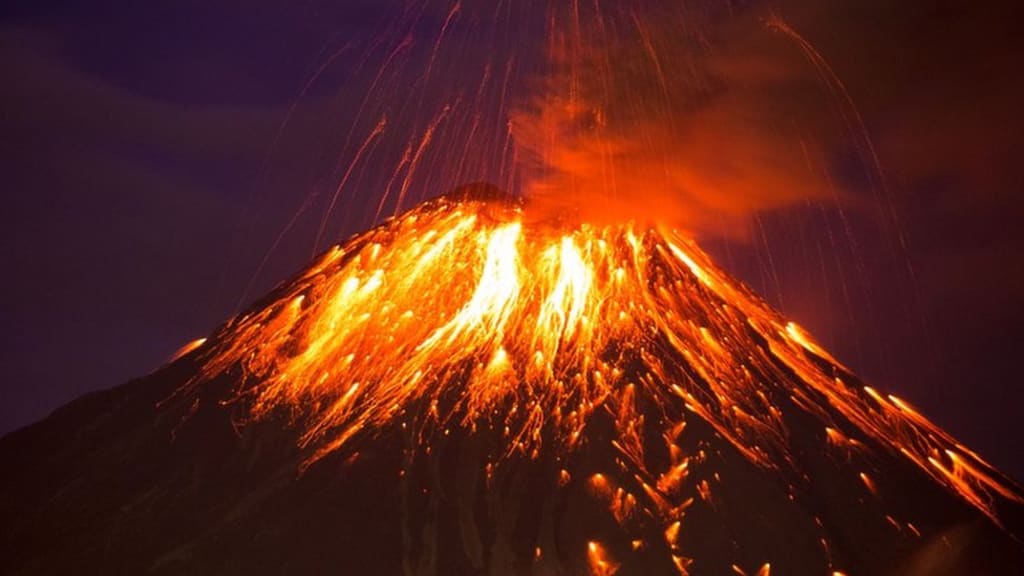
Volcanic eruptions are one of the most spectacular and dangerous natural events on Earth. These explosive eruptions can have a significant impact on the environment and human life, causing damage to property and infrastructure, threatening human health, and disrupting air travel and other forms of transportation.
In this article, we will explore the causes of volcanic eruptions, the different types of eruptions, the impact of volcanic eruptions on the environment and human life, and the measures that can be taken to mitigate their effects.
What are Volcanic Eruptions?
Volcanic eruptions occur when magma, or molten rock, rises to the Earth's surface through a vent or opening in the crust. This molten rock can come from deep within the Earth's mantle or from the magma chamber beneath the volcano.
When the pressure within the magma chamber or beneath the volcano becomes too great, the magma is forced to the surface, resulting in an explosive eruption. This eruption can take various forms, depending on the characteristics of the magma, the shape of the volcano, and the type of eruption.
Types of Volcanic Eruptions
Volcanic eruptions are classified based on the type of volcanic activity that occurs during the eruption. The most common types of volcanic eruptions include:
Explosive Eruptions
Explosive eruptions occur when gas-rich magma is forced to the surface, causing a violent eruption. These eruptions are characterized by the ejection of large amounts of ash, gas, and rock fragments, or pyroclastic material, into the atmosphere. Explosive eruptions can also cause lava flows, lahars, and other hazards.
Effusive Eruptions
Effusive eruptions occur when low-viscosity magma, or lava, flows out of the volcano in a slow, steady stream. These eruptions are generally less explosive than explosive eruptions and are characterized by the formation of lava flows and lava domes.
Phreatomagmatic Eruptions
Phreatomagmatic eruptions occur when magma interacts with groundwater or other bodies of water, causing a steam-driven eruption. These eruptions are characterized by the ejection of large amounts of ash, gas, and steam into the atmosphere.
Phreatic Eruptions
Phreatic eruptions occur when magma interacts with groundwater or other bodies of water, causing a steam-driven eruption. These eruptions are generally less explosive than phreatomagmatic eruptions and are characterized by the ejection of steam and ash into the atmosphere.
Causes of Volcanic Eruptions
Volcanic eruptions are caused by a combination of factors, including:
Plate Tectonics
Volcanic eruptions are often associated with plate tectonics, which is the movement of the Earth's crustal plates. When two plates move apart, magma can rise to the surface, causing an eruption. When two plates collide, one plate can be forced beneath the other, causing the magma to rise to the surface.
Magma Composition
The composition of the magma can also influence the type of eruption. Magma with high viscosity, or thickness, tends to be more explosive, while magma with low viscosity tends to be less explosive.
Volcano Shape
The shape of the volcano can also influence the type of eruption. Volcanoes with steep sides tend to be more explosive, while volcanoes with gentle slopes tend to be less explosive.
Impact of Volcanic Eruptions
Volcanic eruptions can have a significant impact on the environment and human life. The impact of volcanic eruptions can include:
Property and Infrastructure Damage
Volcanic eruptions can cause damage to buildings, roads, and other infrastructure, which can be expensive to repair or replace.
Health Impacts
Volcanic eruptions can release hazardous gases, such as sulfur dioxide and carbon monoxide, which can cause respiratory problems, especially for those with pre-existing conditions. Ash and other particulate matter can also cause skin and eye irritation and exacerbate existing respiratory conditions.
Agricultural and Ecological Impacts
Volcanic eruptions can damage crops, forests, and other vegetation, which can have long-term effects on the environment and the economy. Ash and other volcanic material can also contaminate water supplies, making them unsafe for consumption.
Climate Change
Volcanic eruptions can release large amounts of greenhouse gases into the atmosphere, which can contribute to climate change. The eruption of Mount Pinatubo in 1991, for example, caused a cooling effect on the Earth's climate due to the release of sulfur dioxide, which reflected sunlight back into space.
Air Travel Disruption
Volcanic eruptions can cause disruptions to air travel, as the ash and other volcanic material can damage aircraft engines and affect visibility. In 2010, the eruption of Eyjafjallajökull in Iceland caused widespread disruptions to air travel across Europe.
Measures to Mitigate the Effects of Volcanic Eruptions
There are several measures that can be taken to mitigate the effects of volcanic eruptions, including:
Evacuation and Sheltering
One of the most effective measures to protect human life during a volcanic eruption is to evacuate the affected areas and provide shelter for those who have been displaced. Early warning systems can help people prepare for an eruption and evacuate in a timely manner.
Monitoring and Research
Monitoring and researching volcanic activity can help scientists better understand the behavior of volcanoes and predict when eruptions are likely to occur. This can help people prepare for an eruption and minimize the impact on the environment and human life.
Infrastructure Protection
Protecting critical infrastructure, such as power plants, hospitals, and transportation networks, can help minimize the impact of a volcanic eruption on the economy and human life.
Conclusion
Volcanic eruptions are a natural phenomenon that have significant impacts on the environment and human life. Understanding the causes and types of eruptions, as well as the impact of eruptions on society, can help scientists and policymakers better prepare for and mitigate the effects of these events. While it is impossible to completely prevent volcanic eruptions, measures can be taken to protect people and infrastructure and minimize the impact on the environment and the economy.
About the Creator
Keerthana Thirumalairaj
An Independent Solitude girl, who recently found the interests in writings and converts Facts and imaginations into writings.
Keep reading
More stories from Keerthana Thirumalairaj and writers in Earth and other communities.
Ice Ages: The Frozen Earth's Ancient Past and Future
Introduction Ice ages, also known as glacial periods, are long periods of time in Earth's history when global temperatures decrease significantly, leading to the expansion of continental ice sheets and glaciers. These periods are characterized by colder temperatures, lower sea levels, and the emergence of vast ice sheets over large areas of the planet. The most recent ice age occurred approximately 2.6 million years ago, and lasted until about 11,700 years ago. During this time, the Earth experienced a series of glacial and interglacial periods, in which glaciers advanced and retreated across the globe. In this article, we will explore the causes and effects of ice ages, as well as their impact on the Earth's climate, geography, and ecosystems.
By Keerthana Thirumalairaj3 years ago in Earth
One of the World’s Ten Largest Ice Shelves on the Brink of Breaking Away
A massive ice formation in Antarctica—one of the ten largest ice shelves in the world—is reportedly close to breaking away from the continent, according to recent observations by climate scientists and satellite monitoring agencies. The development has drawn global attention, as experts warn that the detachment of such a huge ice mass could have significant implications for sea levels, ocean currents, and the stability of surrounding glaciers.
By Irshad Abbasi 7 days ago in Earth


Comments
There are no comments for this story
Be the first to respond and start the conversation.