
Environmental refugees
Discussing the emotional toll on individuals and communities who are forced to leave their homes due to climate-induced disasters like floods, hurricanes, and droughts.

The sun blazed high in the sky, scorching the barren land of Elmswood. Once a lush and vibrant town, it now lay in ruins, devastated by the relentless grip of drought. Maria, a woman with deep roots in Elmswood, stood at the edge of the withered fields, her heart heavy with a mix of sorrow and determination.
She recalled the days when life thrived in Elmswood, when the scent of wildflowers filled the air and the river flowed with abundance. Generations of her family had cultivated the land, passing down their knowledge and love for the earth. But the shifting climate had stolen their peace, forcing them to confront the unthinkable.
The announcement of evacuation reverberated through the town, sending shockwaves of disbelief and grief. Maria watched as her neighbors packed their belongings, eyes clouded with tears and whispers of uncertainty. The community, once tightly woven like the roots of an ancient tree, now faced an agonizing decision—to leave behind their homes or stay and face a future of desolation.
As the convoy of weary souls departed Elmswood, the weight of their loss settled deep within Maria's chest. She gazed out of the car window, watching the town fade into the distance. Memories of laughter and togetherness intertwined with the swaying of the trees, as if bidding a bittersweet farewell. The tendrils of homesickness tightened around her heart.
Arriving in a makeshift refugee camp, Maria's once vibrant spirit dulled under the weight of uncertainty. The camp was a maze of tents and makeshift shelters, filled with faces marked by grief and longing. Families huddled together, seeking solace in the warmth of their shared experiences. But the pain of displacement still pierced their hearts, like thorns in a fragile rose.
Days blurred into weeks as they navigated their new reality. The camp was a temporary sanctuary, yet it carried the weight of their shattered lives. Maria longed for the familiar embrace of her home, the symphony of cicadas and the soft touch of the wind against her cheeks. She missed the sense of belonging, the feeling of being deeply rooted in a place.
Night after night, Maria found herself gazing at the starry sky, searching for solace in the constellations. She whispered to the stars, sharing stories of Elmswood, as if the heavens could carry her words back to the land she held dear. The longing for home was an ache that echoed through her soul, a whisper that never ceased.
Amidst the despair, Maria discovered a flicker of hope within the camp. People from different walks of life, brought together by the shared experience of displacement, created a fragile tapestry of support. They leaned on each other, sharing stories, tears, and laughter. Their resilience became a beacon, illuminating the path towards healing.
As the seasons shifted, Maria and her fellow refugees joined hands in reclaiming their sense of purpose. They transformed barren patches of land within the camp into vibrant gardens, cultivating life amidst chaos. In nurturing the earth, they nurtured their own wounded spirits, finding solace in the cycle of growth and rebirth.
News reached the camp of initiatives and programs focused on climate resilience and sustainable development. Maria, her voice trembling with passion, became a fierce advocate for her community. She spoke at conferences, sharing her personal journey and the untold stories of environmental refugees. Her words echoed through the halls, awakening empathy in the hearts of those who listened.
As years passed, Maria and her community ventured into new lands, seeking a place they could call home once more. They carried the strength of their experiences, woven into the tapestry of their beings. Though the scars of displacement remained, they refused to let their pain define them. They became warriors of change, working towards a future where no one would suffer the same fate.
In their collective struggle and resilience, Maria and her fellow refugees found a renewed sense of purpose. They were not just survivors of climate-induced disasters; they were beacons of hope, voices of a movement that fought for environmental justice and the protection of communities in the face of an uncertain climate.
And as the world listened to their stories, the whispers of home grew louder, carrying the echoes of resilience and the indomitable spirit of a community determined to thrive once more.
About the Creator
Keep reading
More stories from writers in Earth and other communities.
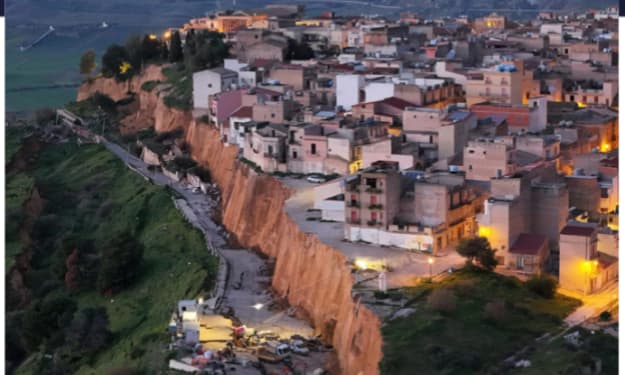
Huge Landslide Leaves Sicilian Homes Teetering on Cliff Edge
A massive landslide in Sicily has left dozens of homes perched dangerously on the edge of a collapsing cliff, forcing evacuations and raising urgent concerns about safety, climate resilience, and long-term urban planning. The dramatic incident unfolded after days of heavy rainfall weakened the soil beneath a coastal residential area, causing large sections of land to slide away into the sea.
By Sajida Sikandar4 days ago in Earth


Comments
There are no comments for this story
Be the first to respond and start the conversation.