
Earth: A World of Wonders and Woes
Celebrating the Beauty of Our Planet While Confronting Its Challenges
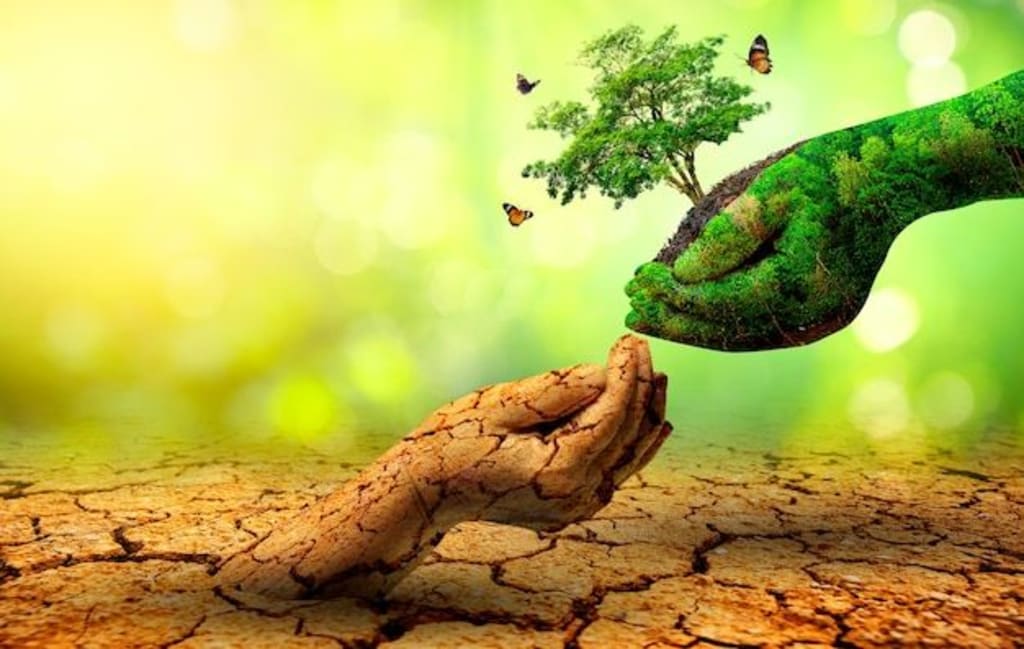
Earth, our beautiful and diverse planet, has always been a symbol of life, growth, and abundance. It is a rare gem in the universe, teeming with vibrant ecosystems, extraordinary landscapes, and endless natural resources. For centuries, humanity has reveled in the splendor of nature, appreciating the majesty of forests, oceans, mountains, and skies. However, alongside this natural beauty, Earth also faces many dark challenges that threaten the very fabric of life on the planet. In this essay, we explore the happy, awe-inspiring side of Earth while acknowledging the pressing issues that demand our attention.
The Happy Side of Earth: The Wonder of Nature
One of the most striking aspects of Earth is its natural beauty. Earth is home to an array of diverse ecosystems that support an astonishing variety of plant and animal life. From the thick, green jungles of the Amazon Rainforest to the vast, tranquil deserts of the Sahara, Earth’s landscapes are as varied as they are breathtaking.
The oceans, with their vibrant coral reefs and rich marine life, cover more than 70% of the planet, offering endless possibilities for exploration and discovery. The deep blue seas are home to whales, dolphins, sea turtles, and millions of other species. The oceans not only provide sustenance but also regulate the Earth's climate and produce much of the oxygen we breathe.
Then, there are the awe-inspiring natural wonders such as the Grand Canyon, the towering Himalayas, and the majestic Northern Lights. These magnificent features remind us of the raw power and beauty of nature. Earth offers a sense of peace and serenity, a reminder of the importance of taking moments to appreciate the world around us.
Additionally, Earth provides for our basic needs – clean water, fertile soil, and breathable air. The natural world is an endless source of food, medicine, and materials, enabling us to thrive and build civilizations. Nature’s ability to regenerate and provide is nothing short of miraculous.
The Dark Side of Earth: The Challenges We Face
Despite the undeniable beauty and abundance Earth offers, the planet also faces numerous threats that are having a profound impact on its health and sustainability. One of the most pressing issues is climate change, driven largely by human activities. Rising global temperatures, erratic weather patterns, and extreme climate events such as wildfires, hurricanes, and droughts have become increasingly common. These changes threaten not only human life but also the delicate ecosystems that support biodiversity.
Deforestation is another significant challenge. Forests, which cover about 30% of the Earth's land area, play a crucial role in maintaining balance. They absorb carbon dioxide, provide oxygen, and serve as habitats for countless species. Yet, widespread logging and land clearance for agriculture are destroying forests at an alarming rate. This loss of trees is contributing to climate change and the extinction of species that depend on these habitats for survival.
Pollution has also become a major concern. Plastic waste clutters the oceans, toxic chemicals pollute rivers and streams, and industrial emissions degrade air quality. These pollutants are harmful to both wildlife and human health. In particular, the growing presence of plastic in marine environments poses a serious threat to marine life, with animals consuming or becoming entangled in the debris.
The rapid rate of urbanization and industrialization is another dark side of Earth’s progress. While cities continue to grow, many of them are built at the expense of nature, destroying ecosystems and increasing the strain on natural resources. Overconsumption, coupled with wasteful practices, is further exacerbating the situation, as more people demand more from the planet than it can sustainably provide.
Finding a Balance: Protecting Earth’s Beauty
As we acknowledge the challenges Earth faces, it is important to recognize that there is hope. Across the globe, there are efforts to protect the environment and reduce our impact on the planet. The rise of renewable energy sources, like wind and solar power, is helping to reduce reliance on fossil fuels. Governments and organizations are introducing policies to curb carbon emissions and promote sustainable practices.
On a smaller scale, individuals are also becoming more conscious of their environmental footprint. People are embracing simple changes such as reducing plastic use, recycling, conserving water, and supporting eco-friendly products. Urban planning is also becoming more sustainable, with green cities designed to reduce pollution and conserve energy.
Additionally, there are numerous organizations and movements dedicated to preserving biodiversity and protecting endangered species. Conservation efforts are being made to safeguard natural habitats and restore damaged ecosystems, allowing life to flourish once again.
Conclusion
Earth is a world of wonder, filled with breathtaking beauty and incredible diversity. Its landscapes, oceans, and creatures provide us with inspiration and a sense of awe. However, the challenges the planet faces—climate change, pollution, and deforestation—are undeniable and require immediate attention. The responsibility to protect and preserve Earth lies with each of us. By taking action and making conscious efforts, we can ensure that future generations will inherit a planet that continues to thrive, where nature’s beauty is celebrated and safeguarded for years to come. Earth, with all its wonders and woes, deserves our care, respect, and commitment.
About the Creator
A $170 Million Gemstone Discovery Shocks Myanmar’s Mining World
Myanmar, a country long known for its rich natural resources, has once again captured global attention after the discovery of an extraordinary gemstone estimated to be worth around $170 million. The remarkable find has stunned geologists, gem traders, and mining experts, reaffirming Myanmar’s reputation as one of the world’s most important sources of precious stones.
By Irshad Abbasi 6 days ago in Earth


Comments
There are no comments for this story
Be the first to respond and start the conversation.