
Creatures in the Mediterranean Sea
Animals that live in the Mediterranean

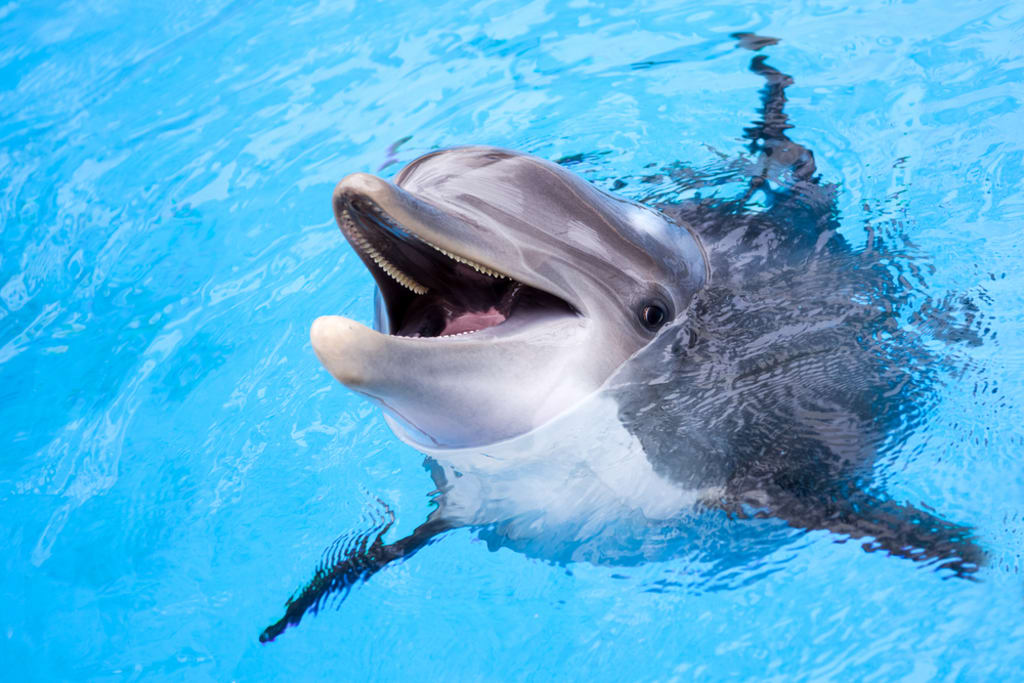
The Mediterranean Sea is bordered by 21 countries and is home to more than 17,000 species that enjoy the waters.
Bottlenose dolphins are usually shown on TV and at aquarium water parks. They have dark gray bodies, pale bellies, and short beaks. They usually look as if they are smiling and are among the most intelligent and sociable animals on Earth. They swim in groups and rely on companionship. Bottlenose dolphins dine on salmon, squid, and crustaceans. They like to toss their prey in the air and swallow them whole.
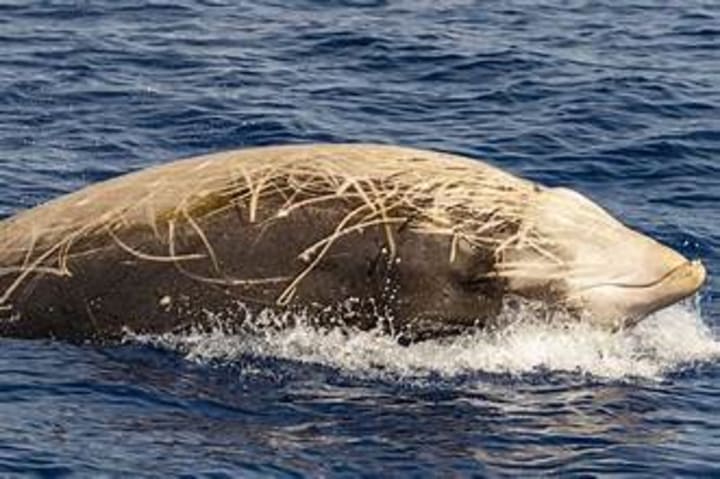
Cuvier’s beaked whales have dark gray bodies and light-colored heads and bellies. These whales have stout bodies, short beaks, two throat grooves, and sloped heads. Beaked whale bodies are covered with scratches or scars associated with aggression, an active lifestyle, and mating. They swim in groups of 2–7 and linger offshore to feed on fish and squid. They dive deep for food and are the mammals with the deepest and longest dives. They can be seen in the eastern Ligurian Sea, the Alboran Sea, and the Hellenic Trench.
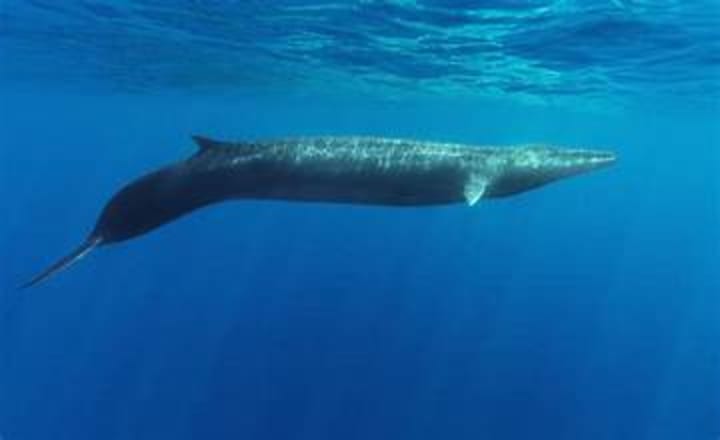
Fin whales are referred to as “greyhounds of the sea.” They are the second largest animals in the world and commonly found in the Mediterranean. Their bodies are gray with pale bellies. These whales prefer the high seas to catch food like krill, schooling fish, and crustaceans. Fin whales open their mouths to gulp tremendous amounts of water and filter out food. They can feed on about 2000 kg of krill a day. These whales can be found in cooler waters in the western and central Mediterranean. About 5,000 adults can be found in the Balearic Islands.
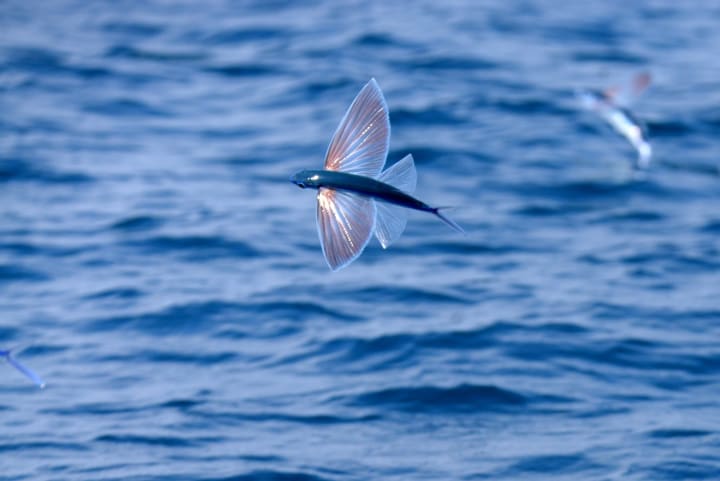
Flying fish can’t fly similarly to birds; they can glide using their long wing-like fins. Once it makes a powerful leap out of the surface of the water, it glides through the air—and can stay airborne at distances of 655 ft long and 4 ft high.The typical diet of flying fish consists of small crustaceans and plankton.
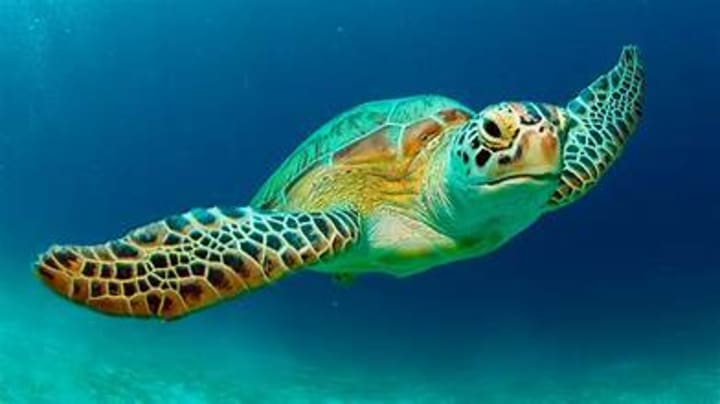
Green sea turtles have dark grayish-green bodies and shells with a yellowish-white lower shell. They are among the largest of other shelled turtles. Juveniles feed on jellyfish and invertebrates, but adults are herbivores and feed on sea lettuce and algae. They normally prefer warm currents and are spread across the Mediterranean Sea, specifically in the coastal waters of Cyprus, Syria, and Turkey.
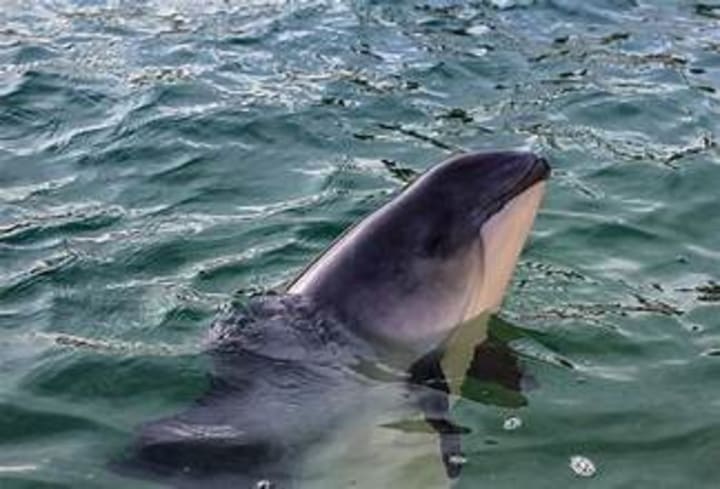
Harbor porpoises are also referred to as “puffing pigs” because they have sneeze-like breathing. They inhabit the entire Black Sea coast. Their bodies are shaped like a whale's with round heads and no beaks. They are dark brown and smaller than most dolphins and are known by the small triangular-shaped fin on their backs. They are usually seen swimming alone, in small groups, or just as a mother and her baby. They enjoy cool waters and feed in winter feeding grounds. They live off small schooling fish, squid, octopus, and sand eels.
Jellyfish
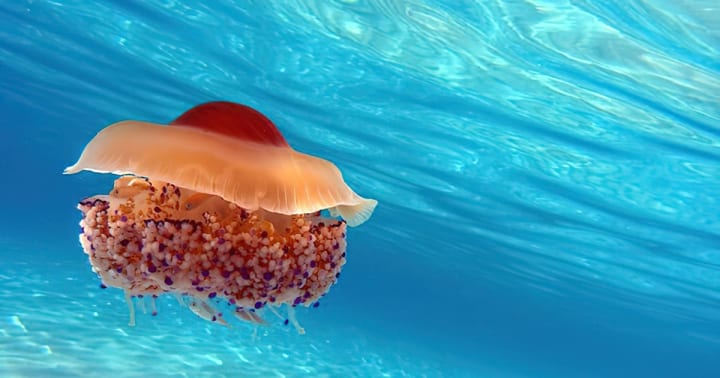
The Mediterranean Sea is filled with an increasing number of jellyfish that come in different shapes, colors, and sizes. They can be as small as 10 cm and as big as a human being.
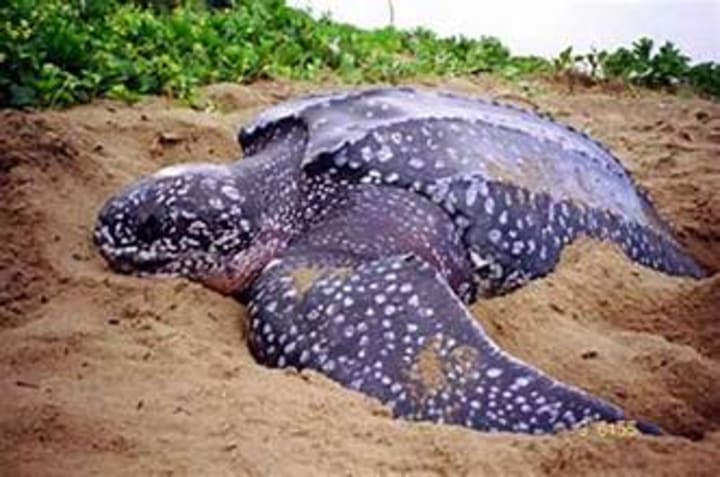
Leatherback turtles are the biggest turtles on Earth. They can be seen in every area and country in the Mediterranean, especially the Aegean Sea, the Tyrrhenian Sea, and the Strait of Sicily. These turtles enjoy dining on jellyfish but will also feed on crabs, small fish, and other gelatinous invertebrates. Because of their body composition, they can survive the cold water areas by regulating their body temperature to lessen heat loss. Their dark gray bodies have white spots and don’t have shells. Instead, they are covered with a leathery outer layer that looks like the skin of a harbor seal.
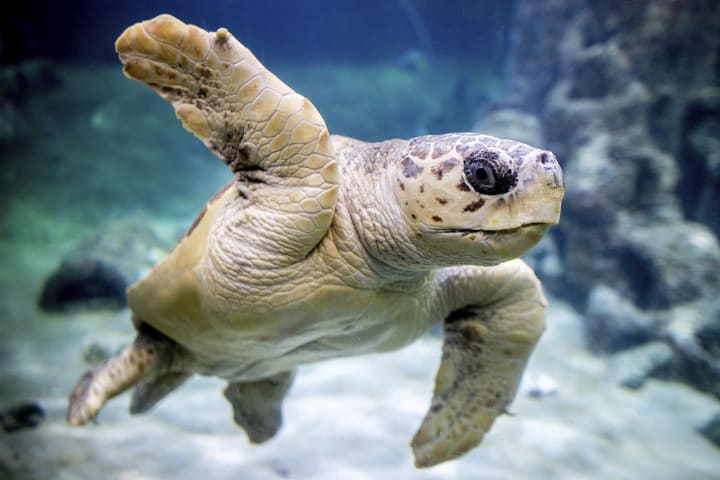
Loggerhead turtles are the most common types of sea turtles in the Mediterranean. They have large heads and powerful jaws with thick, smooth shells. These turtles can be seen in coastal or marine waters and adopt a solitary lifestyle, migrating frequently. Loggerhead turtles are carnivores and feed on clams, crabs, shellfish, jellyfish, and fish.
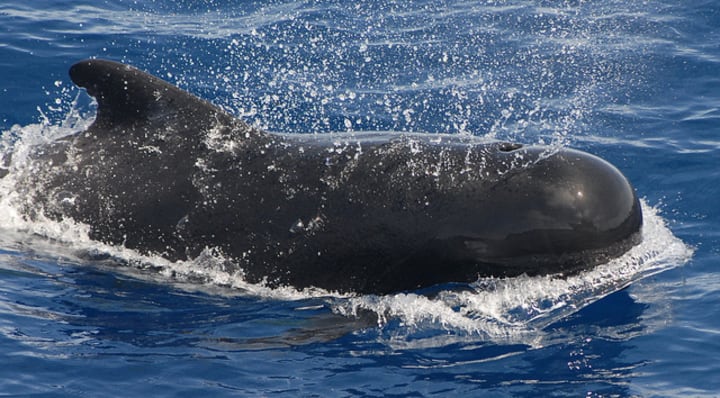
Long-finned pilot whales are classified as dolphins and are the second largest of the dolphin family. These whales have globose heads and two very long flippers. They have black or dark grey bodies with white chests. Pilot whales are sociable creatures and can be seen in groups of over ten. Having strong family relationships, they stick together at all times. They can be seen poking their heads out and splashing with their tails at the surface of the water. To feed, they dive deep for about 15 minutes at night and use echolocation to hunt. They enjoy deep-sea squid, octopus, small pelagic fish, and other cephalopods. These whales also prefer deep offshore locations with cold and mild waters.
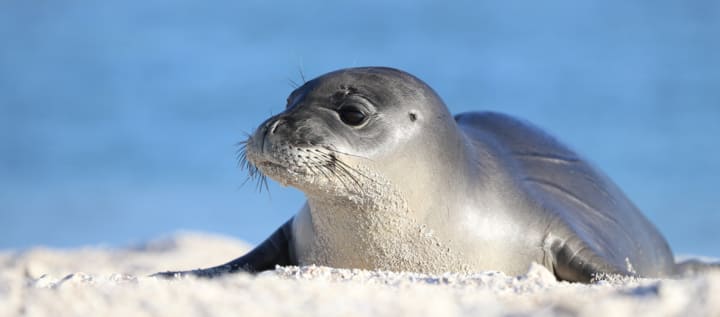
Mediterranean monk seals are among the rarest animals in the world. They are also the only seals that live in the Mediterranean and can be seen on isolated coasts around the Madeira Islands of Portugal and Cape Blanc. These seals have brown bodies and yellowish bottoms. They enjoy dining on octopus, mollusks, sea bream, bogue, and red mullet.
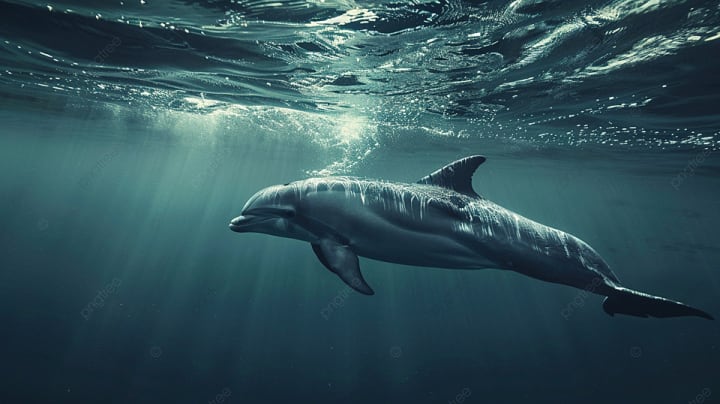
Risso’s dolphins don’t have beaks like other dolphins. They have bulbous squared heads and white chests. These dolphins swim in groups of up to 45. They are sociable and highly active but will become quite shy around boats. Risso’s dolphins hunt in deep waters for squid, cuttlefish, shrimp, and prawns.
Sharks
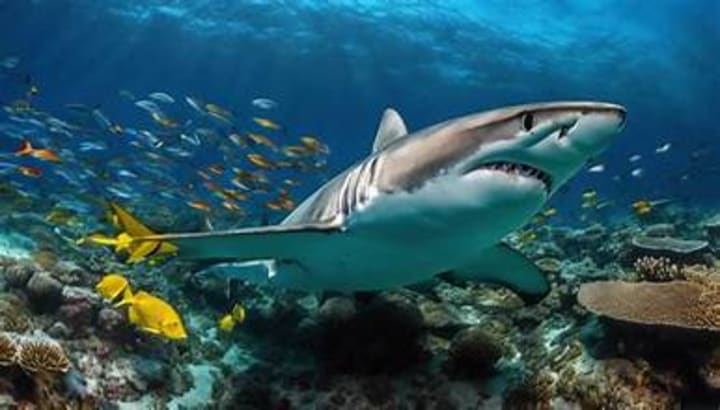
From hammerheads to nurse sharks and blue sharks, there are more than 40 species of sharks that can be found in the Mediterranean Sea and are considered harmless to people.
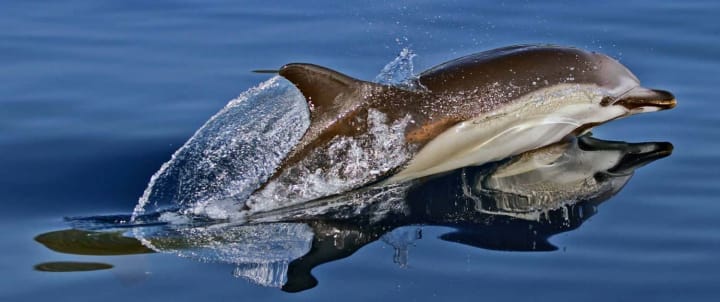
Short-beaked dolphins are also referred to as “hourglass dolphins.” They are multi-colored dolphins with an hourglass pattern on their bodies. They are dark gray with pale yellow and light gray sides. They are found offshore and on coasts hunting for food, preferring schooling fish and squid. To catch their prey, short-beaked dolphins use echolocation. They swim in large groups of 50 to 70. They’re acrobatic and jump out of the water at high speeds.
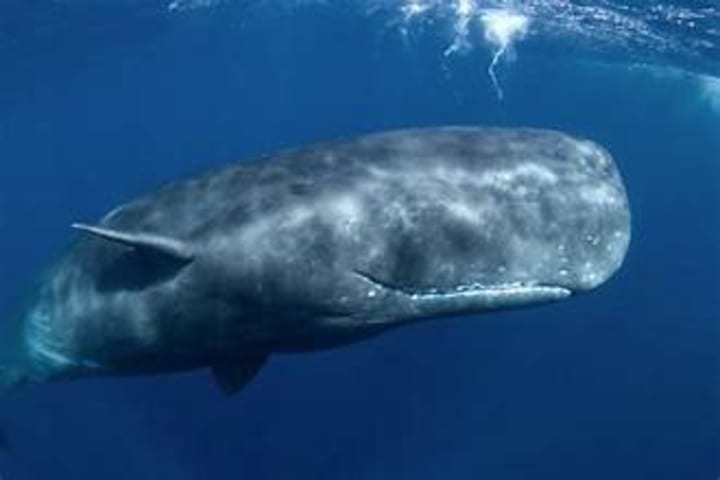
Sperm whales are the biggest whales in the ocean. They have huge square heads, spatulate flippers, dorsal fins, and two pectoral fins. They live in groups and start a solitary lifestyle when they become adults. Sperm whales hunt in deep depths and can stay underwater for over an hour. They dine on squid, octopus, cephalopods, fish, crustaceans, and even sharks.
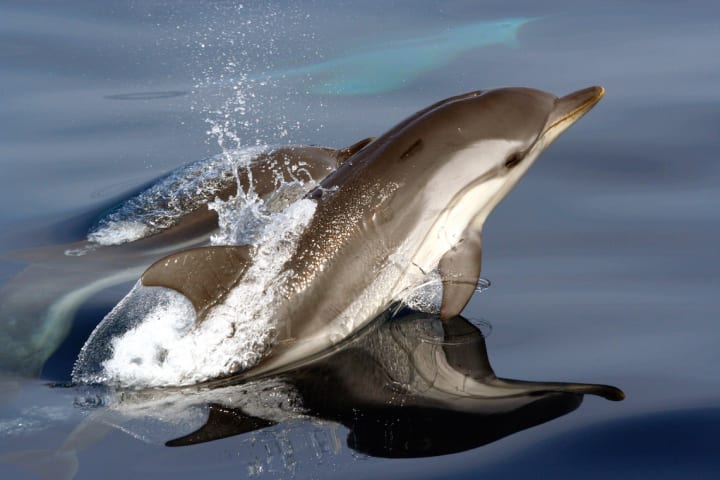
Striped dolphins are distinguishable by the striped patterns on their bodies. They are blue-gray with white stripes. These dolphins travel in groups and are found in open and deep waters. They have amazing speed and can jump three times their body length and enjoy playing in the waters. They dine on squid and small fish, particularly lanternfish. Striped dolphins can be seen in the western and eastern Mediterranean and are most commonly found in the Alboran Sea, Ligurian Sea and the waters of the Balearic Islands, the Gulf of Lion, and the waters of the Iberian Peninsula.
About the Creator
Rasma Raisters
My passions are writing and creating poetry. I write for several sites online and have four themed blogs on Wordpress. Please follow me on Twitter.
Keep reading
More stories from Rasma Raisters and writers in Earth and other communities.
Amazing Animals the Democratic Republic of the Congo
The Democratic Republic of the Congo (DRC) is one of Africa’s most biodiverse countries. It is home to the mountain gorillas. The country is home to the oldest national park in Africa, Virunga National Park. The diverse landscape includes rainforests, savannas, wetlands, and volcanic landscapes.
By Rasma Raisters5 months ago in Earth
Why Is the USA Natural Gas Price Rising Today
The sudden rise in U.S. natural gas prices has caught the attention of consumers, investors, and policymakers alike. After a long period of relatively low prices, the market has shifted direction, leaving many people asking a simple but important question: why is the USA natural gas price rising today?
By Muhammad Hassan4 days ago in Earth
The Trees that Grow Gold in Their Leaves
I was reading a science journal article during my lunch break when I had to stop and reread a sentence three times. Eucalyptus trees in Australia were growing gold. Not attracting gold. Not sitting near gold. Actually growing it in their leaves.
By Marcus Briggsabout 15 hours ago in Earth



Comments
There are no comments for this story
Be the first to respond and start the conversation.