
Amazing Animals the Democratic Republic of the Congo
Wildlife in Central Africa

The Democratic Republic of the Congo (DRC) is one of Africa’s most biodiverse countries. It is home to the mountain gorillas. The country is home to the oldest national park in Africa, Virunga National Park. The diverse landscape includes rainforests, savannas, wetlands, and volcanic landscapes.
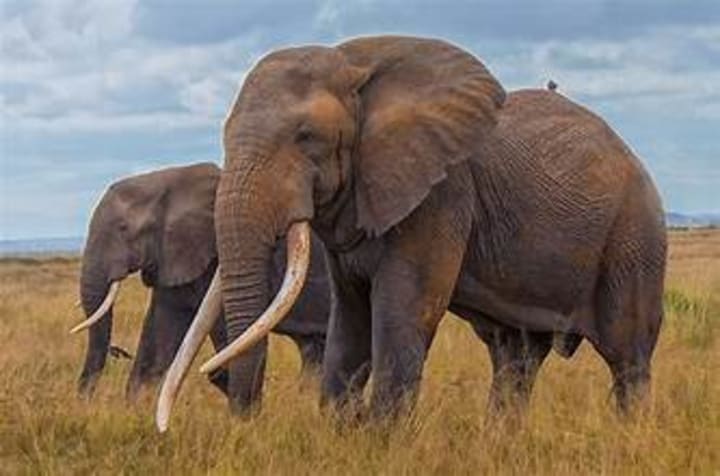
African bush or savanna elephants are the biggest land animals in the DRC. They are the largest of three elephant species. Due to their size, an elephant’s most significant requirement is food. They spend most of their time eating, and a single individual may eat 350 pounds (158 kg) of vegetation daily.
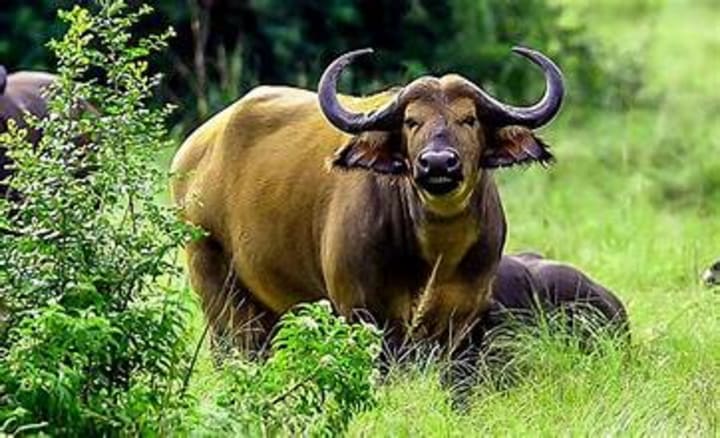
African forest buffaloes are found in various habitats, including marshes, grassy savannas, and wet rainforests.
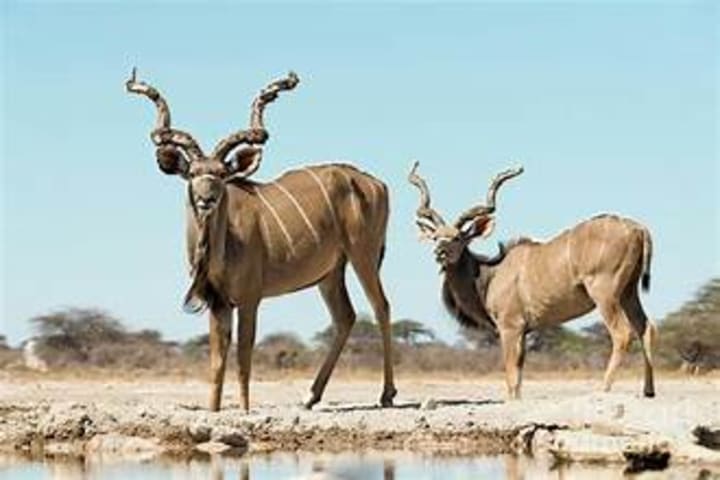
Greater kudus are a species that is one of the biggest animals in the DRC. They are tall with impressive horns. Greater kudus are social and surprisingly vocal animals. You may hear them make whimpers, bleats, barks, grunts, and hums. The females stay together in groups of up to 25 with their offspring, and the males gather in small herds of 2-10.
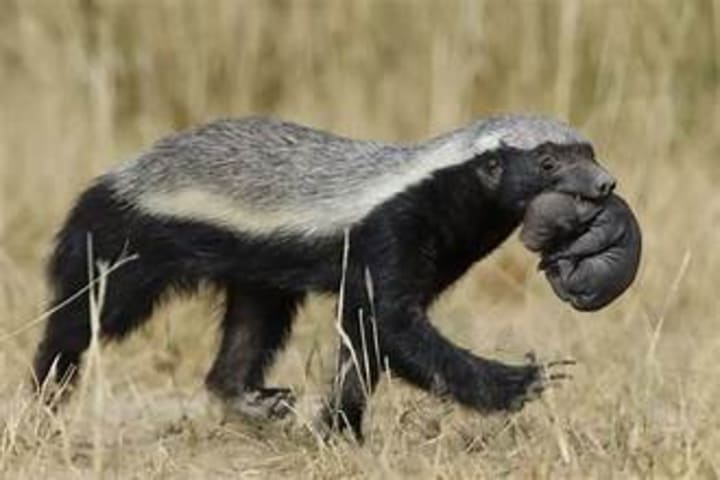
Honey badgers are among the toughest animals in the DRC. They have a reputation of living anywhere, eating anything to survive, and withstanding all. They prey on snakes, birds, eggs, frogs, and small rodents. Honey badgers also raid honeybeehives for honey and larvae. These animals might look cute, but they are very aggressive.
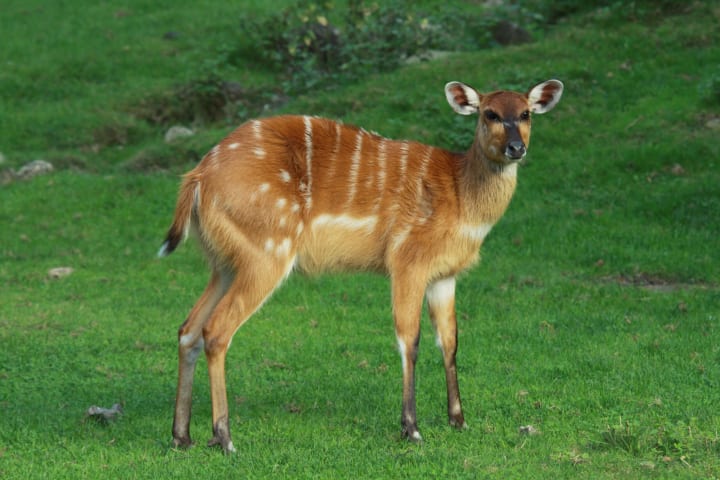
Impalas can be seen in grasslands and savannas. They are mostly grazers but if necessary will switch to shrubs, trees, and other plants.
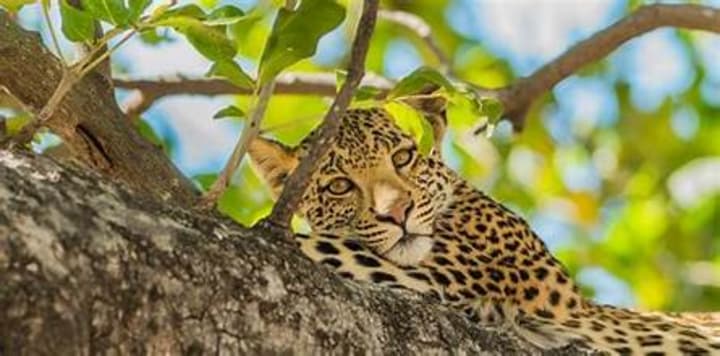
Leopards have color patterns that help these carnivores to remain camouflaged in various habitats. These big cats have tremendous strength and can tackle prey up to ten times their own weight. They can swim, climb trees, and descend from them head first, run at bursts of 60 kph (36 mph), and jump.
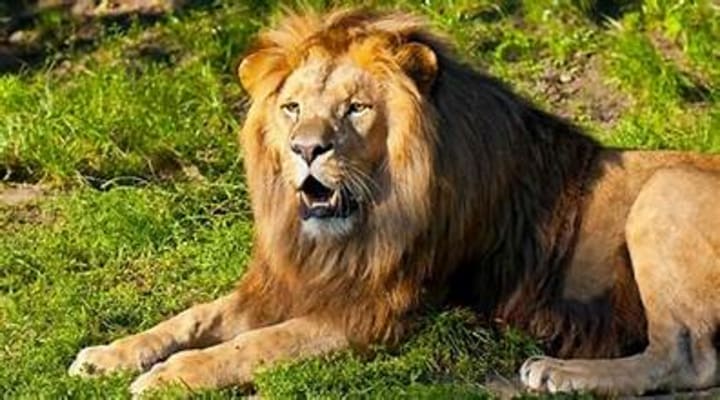
Lions are the most famous animals located in the DRC. They hunt in groups known as prides and can take down large herbivores like zebras, impalas, gazelles, wildebeests, giraffes, and buffalo.
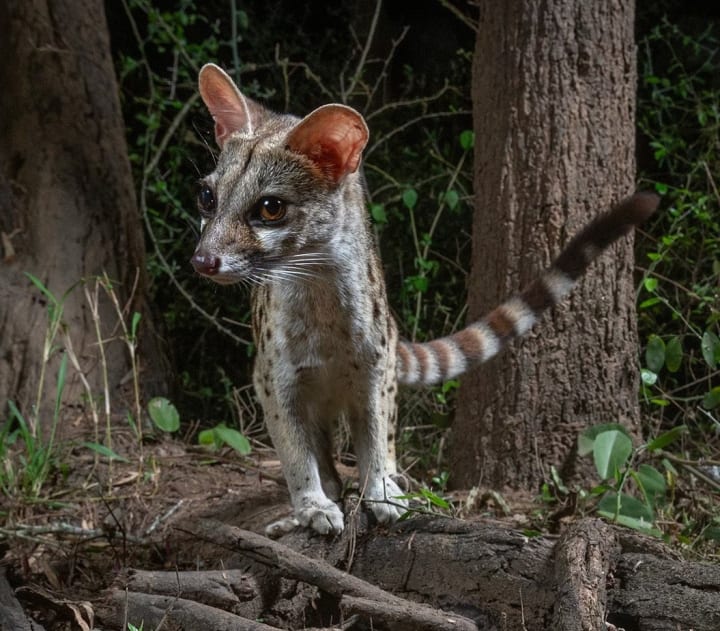
Rusty-spotted genets are small omnivores closely related to mongooses. They’re nocturnal and solitary but occasionally hunt or live in pairs.Their favorite food is rodents. These mammals are semi-arboreal, meaning they spend much of their time in the trees and prefer to live in densely forested areas.
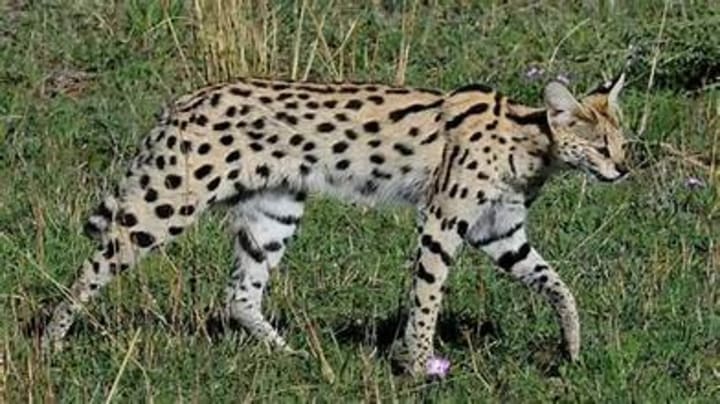
Servals have a coppery, golden-yellow, or buff coat with some white on their faces and undersides, black tail and ear tips, black rings on their tail, and various black stripes and spots on their bodies. They have a playful nature similar to domestic cats. They hunt by using their large ears and acute hearing to locate prey, sometimes remaining motionless for up to 15 minutes while they listen.Servals are solitary creatures that spend most of their time in reed beds and grasslands but will also roam through thickets, forest brush, streams, and marshes.
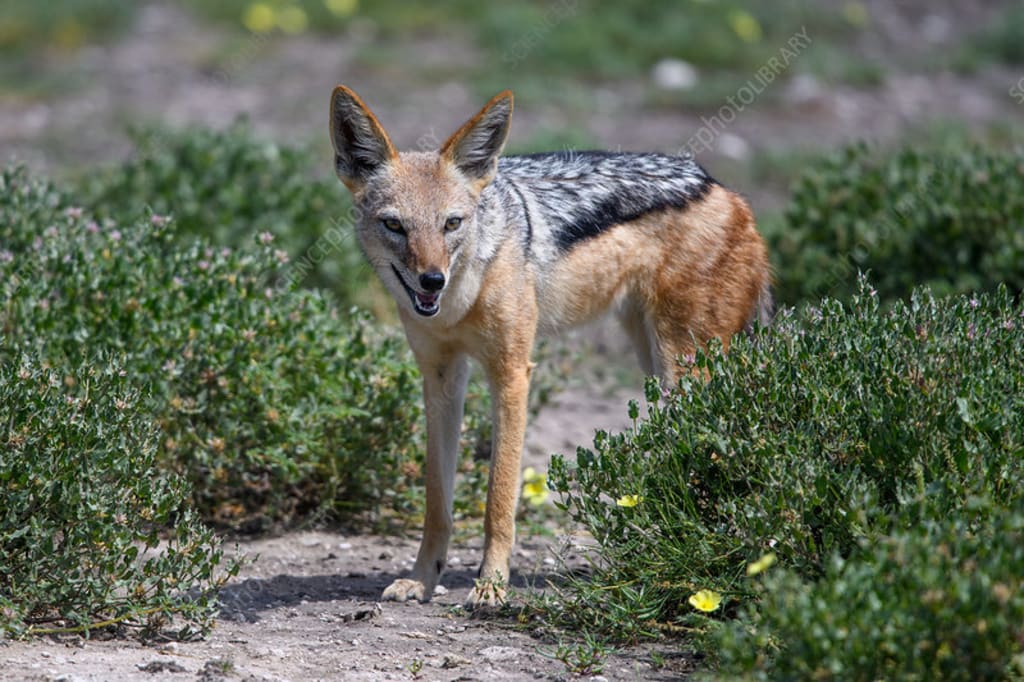
Side-striped jackals (pictured above) live in swamps, marshes, humid savannas, and wooded areas. These animals are nocturnal. Jackals are incredibly vocal creatures that make various noises, including yipping to communicate with other jackals. They are omnivorous scavengers. While their diet varies with location and season, they commonly feed on insects, small vertebrates, fruit, carrion, and plant material.
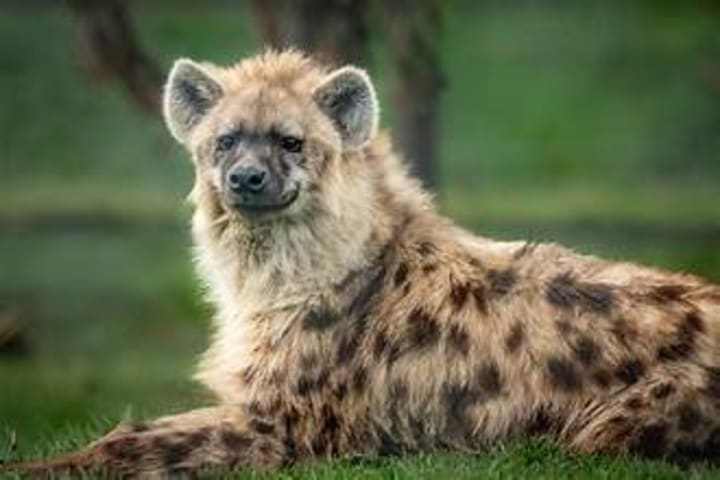
Spotted hyenas have yellowish or gray coats, and dark brown spots cover their bodies. They have massive necks, large heads, rounded ears, and the front legs are longer than their back legs.These animals live in clans of 3-80, with females leading the clan.
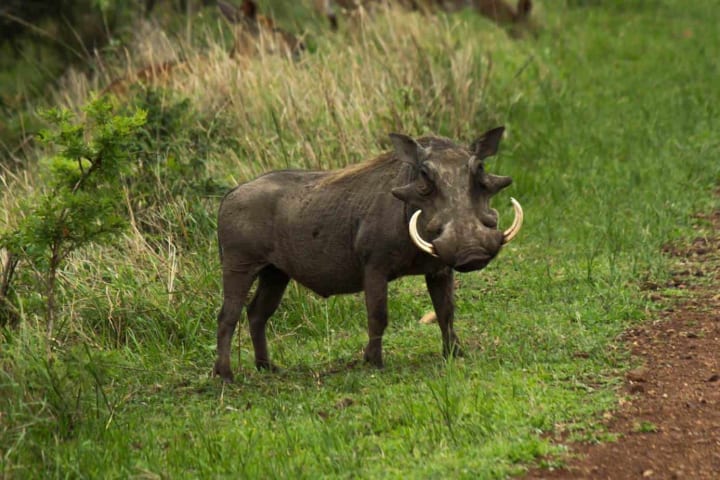
Warthogs live in various habitats in the DRC, including wooded savannas, grass steppes, and semi-deserts. But their lack of body fat and fur means they need certain landscape features to help them regulate their body temperatures. They feed on grasses but also use their strong, blunt snouts and tusks to dig up and eat tubers, bulbs, and roots.
Aquatic Animals
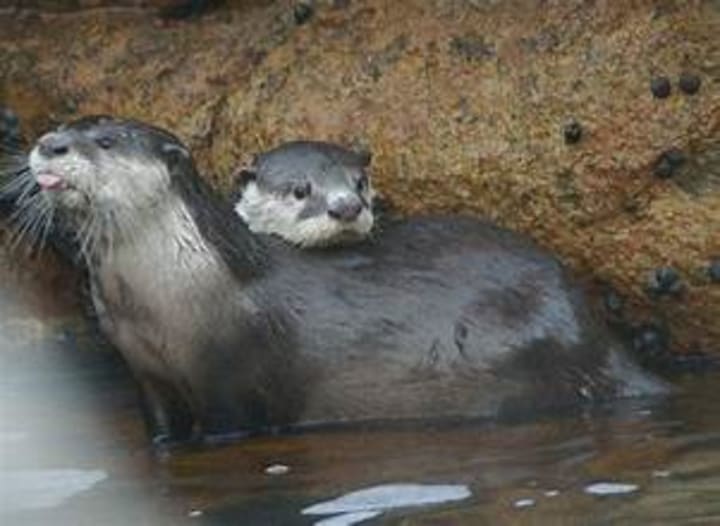
African clawless otters are among the most playful animals in the DRC. They are an aquatic species living around rivers and other freshwater sources. They prefer thick reed beds and shallow waters. They spend much of their time fighting, swimming, sliding on rocks, playing with food, and throwing pebbles into the water to dive and grab before reaching the bottom.
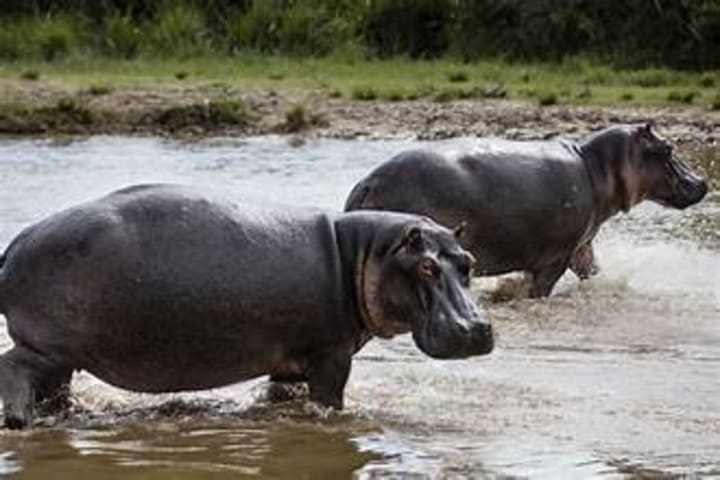
Hippos are semi-aquatic animals and are the third largest land animals. They can be found near freshwater sources. They have unique skin that needs to be wet most of the day, meaning they spend most of their time submerged in shallow lakes, rivers, and swamps.
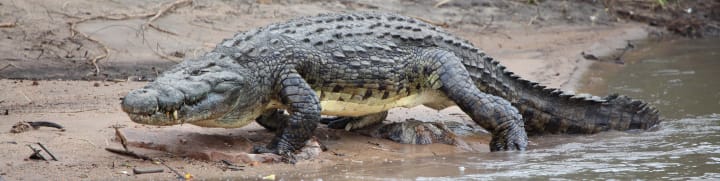
Nile crocodiles are the largest reptiles in the DRC. They are carnivores that feed on whatever they can catch.
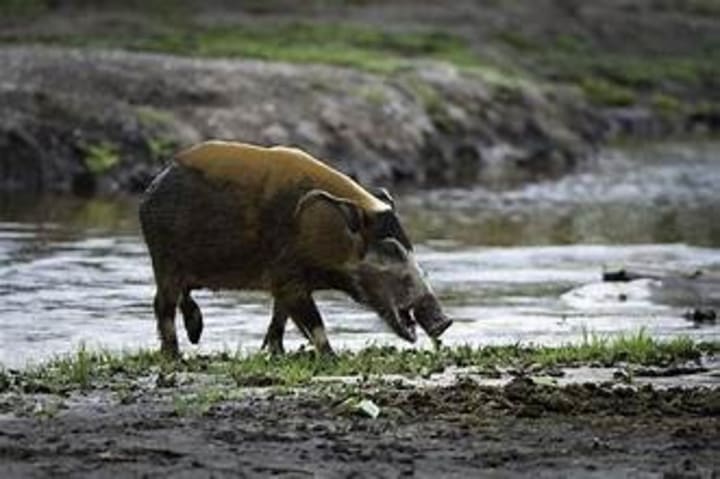
Red River Hogs get their name from their beautiful coloration and preference for wallowing in and around rivers and streams. They prefer areas with thick vegetation to hide in and are rarely spotted far from the rainforest.
About the Creator
Rasma Raisters
My passions are writing and creating poetry. I write for several sites online and have four themed blogs on Wordpress. Please follow me on Twitter.
Reader insights
Outstanding
Excellent work. Looking forward to reading more!
Top insights
Compelling and original writing
Creative use of language & vocab
Easy to read and follow
Well-structured & engaging content
Expert insights and opinions
Arguments were carefully researched and presented
Heartfelt and relatable
The story invoked strong personal emotions
Masterful proofreading
Zero grammar & spelling mistakes
On-point and relevant
Writing reflected the title & theme
Keep reading
More stories from Rasma Raisters and writers in Earth and other communities.
Upon the Waves of the Atlantic
Bluefintuna are fish that have a high tolerance for disparity in temperatures since they have the ability to keep warm. These fish have a metallic blue color that blends into their environment. With their streamlined bodies, they can build up speed gliding through the water. They feed on herring, mullet, mackerel, squid, crabs, and shrimp. They’re known for traversing the Atlantic Ocean repeatedly each year.
By Rasma Raisters5 months ago in Earth
Tiny Lion Cubs Struggle To Keep Up With Mom
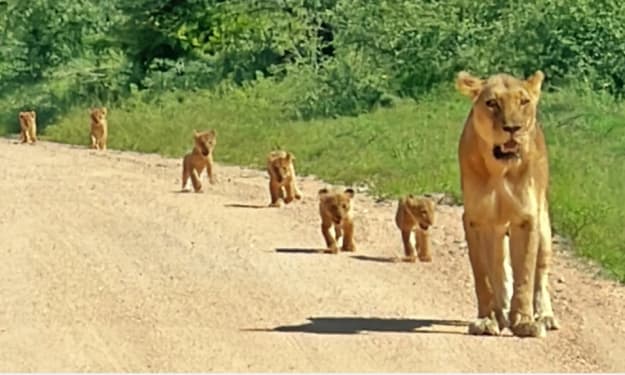
In the heart of the African savannah, life is a constant lesson for young animals. Few scenes are as endearing — or as heartwarming — as tiny lion cubs trying to keep pace with their mother. These little bundles of fur face a world full of challenges, from learning to hunt to avoiding dangers, all while depending on the guidance and protection of their experienced mom. Watching cubs wobble and tumble as they attempt to keep up with their mother reminds us that growing up, even in the wild, is a journey full of struggle, determination, and adorable missteps. The Early Days of Lion Cubs Lion cubs are born blind and helpless, usually in litters of two to six. For the first few weeks, they rely entirely on their mother for warmth, food, and safety. Even after opening their eyes and beginning to explore, the cubs are far from independent. The first months are crucial. Cubs learn social cues, hunting basics, and survival skills simply by watching their mother and the pride. But as anyone who has observed them knows, there’s often a huge gap between observation and action. Tiny cubs often struggle to match their mother’s pace, especially when she moves through long stretches of savannah or leads the family on patrols. A Mother’s Role in the Wild For a lioness, raising cubs is a full-time commitment. She hunts, defends her territory, and teaches her young, all while staying alert to predators such as hyenas, leopards, and even rival lions. The cubs, meanwhile, attempt to mimic her every move — often with clumsy yet charming results. A mother lion’s patience is remarkable; she frequently slows down, nudges them along, or stops to ensure no cub is left behind. These moments, while stressful for the tiny cubs, are vital learning opportunities. Struggling to Keep Up: Why It’s So Hard There are several reasons why tiny lion cubs have trouble keeping pace with their mother: Short Legs, Big Steps: Lion cubs’ legs are tiny and their coordination is limited, making it difficult to cover the same distance as an adult lioness. Curiosity: Cubs are naturally curious. A single butterfly or rustling bush can distract them, leaving mom to pause repeatedly. Energy Levels: Young lions tire quickly. Even with frequent naps, the cubs’ stamina is far lower than their mother’s. Learning Through Play: Play is not just fun; it teaches hunting, balance, and social skills. Running off to pounce on a sibling or chase an insect is all part of their education. Despite these challenges, the cubs’ determination to keep up demonstrates their resilience and growing understanding of the wild world. Lessons in Teamwork and Survival Every cub struggling to keep up is also learning crucial survival skills. The journey across the savannah is more than a test of speed — it’s a lesson in: Coordination: Cubs learn how to move efficiently across different terrains. Patience: They begin to understand the rhythms of adult life and the pace required for survival. Social Skills: Staying with the group teaches cubs how to interact with siblings and the pride, which is essential for their future roles. Observation: By following their mother, cubs study hunting techniques, territorial behavior, and predator awareness. Even the moments when cubs stumble or lag behind are essential for their development. These experiences prepare them for independence, which comes sooner than many might expect. The Cutest Moments in the Wild Anyone who has watched tiny lion cubs knows that their struggles are often irresistibly cute. Video clips from wildlife reserves frequently show cubs toddling along, tumbling over each other, or getting distracted mid-step. Observers often comment that these little stumbles reveal personality, determination, and playfulness, making them one of nature’s most heartwarming spectacles. While their mother is serious and focused, the cubs inject a sense of humor and lightness into life on the savannah. Why This Matters The struggles of lion cubs aren’t just adorable — they’re vital for understanding wildlife behavior. Conservationists and animal behaviorists use these moments to study growth patterns, social structures, and survival strategies in lion populations. These observations also highlight the importance of preserving natural habitats. Cubs must learn in a safe environment to survive; habitat loss, poaching, and climate change make these early struggles even more dangerous. Protecting the African savannah ensures that future generations of lions can experience the same lessons and playful tumbles. The Road to Independence Within a year, these tiny cubs will be more agile, faster, and more confident. By the time they reach two to three years old, males may begin to leave the pride, while females often stay and become caretakers themselves. Every misstep, tumble, and lagging moment is part of the journey toward strength, coordination, and independence. Watching them now gives us a glimpse of the challenges they will overcome, and the survival skills they will carry for life. A Celebration of Motherhood Ultimately, these scenes remind us of the incredible bond between mother and cubs. Her patience, vigilance, and teaching are the foundations of their future. The cubs’ struggles highlight the trials of growing up, while their determination showcases the resilience and beauty of wildlife. For those observing, it’s a powerful lesson in care, guidance, and perseverance, not just in lions but in the natural world as a whole. Final Thoughts Watching tiny lion cubs try to keep up with their mother is both entertaining and enlightening. It’s a story of growth, struggle, and resilience — a reminder that even the fiercest creatures start small, learning step by step. These little lions capture hearts while teaching life lessons: patience, determination, teamwork, and the importance of guidance. As they tumble and waddle across the savannah, they show us that growth is a process, one adorable misstep at a time. For wildlife enthusiasts, animal lovers, and anyone enchanted by nature, these tiny cubs are proof that even in the wild, love, care, and persistence are universal truths.
By Aarif Lashari5 days ago in Earth
Chinese EVs Closing In on America After Canadian Tariffs Deal
The electric vehicle race is no longer just about climate goals or consumer choice — it has become a geopolitical contest. And in early 2026, a subtle but powerful move by Canada may have tilted the board. By agreeing to sharply reduce tariffs on Chinese electric vehicles, Canada has opened a door that the United States has worked hard to keep shut. While Chinese EVs are still largely barred from the American market, they are now edging closer than ever — not by crossing the border directly, but by entering through Canada. This development raises a pressing question: Are Chinese EVs closing in on America, and what does that mean for the future of North American auto markets? The Deal That Changed the Game Canada’s new agreement with China allows up to 49,000 Chinese-made electric vehicles per year to enter the Canadian market at a tariff rate of just over 6%, a dramatic drop from the previous 100% tariff that effectively blocked them. On paper, the quota seems small. In reality, it carries enormous symbolic and strategic weight. For years, both Canada and the United States aligned closely on keeping Chinese EVs out, citing concerns over unfair subsidies, national security, and the protection of domestic auto industries. This new deal marks a clear shift — and a divergence from U.S. policy. Canada didn’t make the decision in isolation. The EV tariff reduction was part of a broader trade reset with China, tied to agricultural exports such as canola and efforts to stabilize a strained economic relationship. Why Chinese EVs Matter So Much China is the undisputed leader of the global electric vehicle industry. Its manufacturers produce EVs at scale, often at prices Western automakers struggle to match. Brands like BYD, Nio, and Xpeng have already expanded aggressively into Europe, Southeast Asia, and parts of the Middle East. North America has remained one of the final fortified markets — until now. Chinese EVs are appealing not just because they’re cheaper, but because they’ve rapidly improved in quality, range, and technology. For consumers priced out of North American and European EV models, Chinese vehicles offer something rare: affordability without sacrificing features. Canada’s decision gives Chinese automakers their first legitimate foothold in North America — and footholds tend to grow. Why the U.S. Is Nervous The United States still enforces a 100% tariff on Chinese EV imports, making them effectively unsellable in the American market. But Canada’s move has triggered concern in Washington. U.S. officials argue that Chinese EVs entering Canada could indirectly pressure American markets, influence supply chains, and weaken Washington’s leverage in future trade negotiations. There’s also a political dimension. Both major U.S. parties have framed Chinese dominance in EVs as a strategic threat — not just to auto jobs, but to technological leadership. Modern EVs collect vast amounts of data, and lawmakers have raised concerns about cybersecurity and foreign data access. While Chinese EVs aren’t rolling onto American roads yet, their presence just across the border changes the conversation. Canada’s Risk — and Opportunity Inside Canada, the reaction has been mixed. Automotive hubs like Ontario worry that opening the market could undermine domestic manufacturing and strain relations with the U.S., Canada’s largest trading partner. Some leaders have called the deal “lopsided,” warning it could cost jobs if American retaliation follows. Others see opportunity. A more competitive EV market could lower prices for Canadian consumers and accelerate EV adoption. It may also attract Chinese investment into Canada itself — including factories, battery plants, and supply chain partnerships. If Chinese automakers choose to build in Canada rather than simply export to it, the country could position itself as a bridge between Chinese EV innovation and North American demand. That balancing act — between economic opportunity and political risk — defines Canada’s strategy. Are Chinese EVs Really ‘Closing In’ on America? For now, the answer is: not directly — but strategically, yes. Chinese EVs sold in Canada won’t automatically flood the U.S. market. Regulations, trade rules, and tariffs still stand in the way. But proximity matters. Supply chains overlap. Consumer awareness spreads. Manufacturing footprints expand. There’s also the possibility of a workaround: Chinese companies could eventually build EVs in North America to bypass tariffs altogether. This idea has already been floated — but it faces fierce resistance from U.S. lawmakers and unions. Still, history shows that once a global industry leader gains regional access, momentum often follows. What This Means for Consumers For Canadian buyers, the impact could be immediate: more choice and lower prices in an EV market that has long been criticized for being expensive and limited. For American consumers, the effect will be indirect — at least at first. But increased competition could eventually pressure U.S. automakers to reduce prices, improve features, and accelerate innovation. The larger question is whether North America wants competition or insulation — and how long insulation can realistically last in a globalized EV economy. The Bigger Picture: A Global EV Power Shift Canada’s tariff deal reflects a broader reality: China’s dominance in electric vehicles is reshaping global trade, whether governments like it or not. Europe is already grappling with an influx of Chinese EVs. Emerging markets are embracing them. And now, North America has its first real crack in the wall. This isn’t just about cars. It’s about who controls the future of clean transportation, supply chains, and industrial policy. Final Thoughts Chinese EVs aren’t driving down American highways yet — but after Canada’s tariff deal, they’re closer than ever. This move doesn’t spell immediate disruption, but it does signal a shift. One country has decided that economic pragmatism outweighs political alignment. And in doing so, Canada may have opened the door to a new phase of EV competition in North America. Whether that door swings wider — or slams shut — will depend on how the U.S., automakers, and consumers respond. One thing is certain: the EV race just entered a new chapter.
By Muhammad Hassan7 days ago in Earth


Comments (1)
This was a very enjoyable and fascinating piece. I have never seen a real-life Hyena up to now, and I've been introduced to new animals too. I really enjoyed reading this piece lots.