
Creatures Hanging Out By the Pond
Animals living in and around ponds


There are quite a few animals you can find living in and around ponds.
Birds
Different kinds of birds make their homes in and around ponds:
Herons build nests that look like large platforms or rafts made out of sticks, reeds, and other vegetation. They are usually grayish-blue in color, with long legs and bills. These birds enjoy wading in shallow waters. They dine on fish, frogs, tadpoles, worms, and small mammals.
Ducks are found by ponds most everywhere. They enjoy eating food, including seeds, plants, insects, and small creatures. They’re also known to eat some types of algae. There are several different types of ducks, each with unique characteristics and habits. One type is the Mallard duck, which is often seen in parks and ponds worldwide.
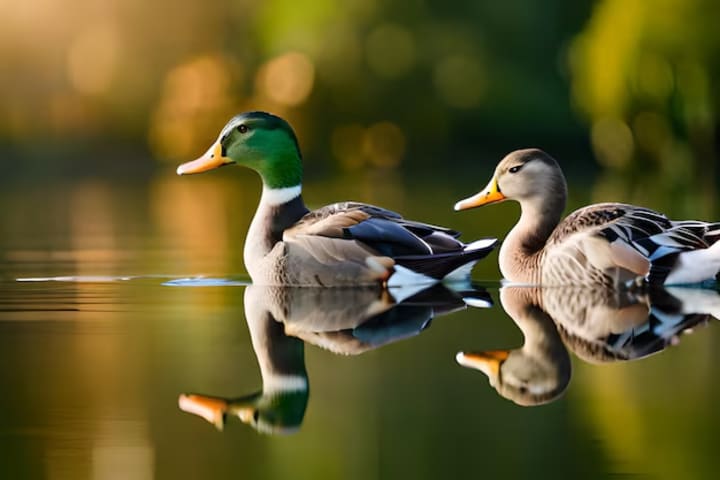
Mallards have green heads, a white line around their necks, gray bellies, and brown chests. Their feathers are usually a mix of gray and brown.
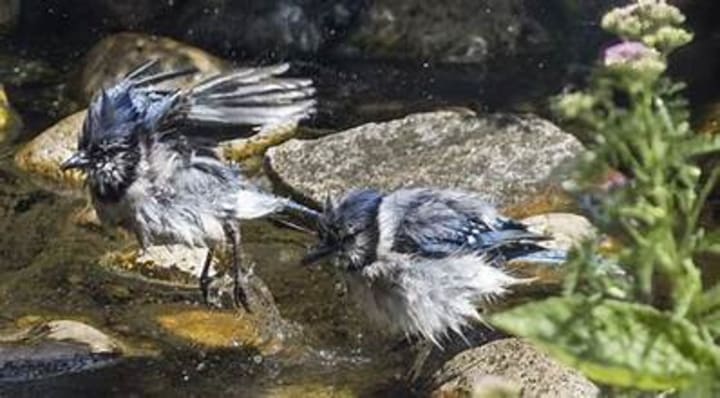
Blue jays enjoy pond living and mostly eat insects but can also feed on spiders, snails, and sometimes tiny frogs and baby birds.
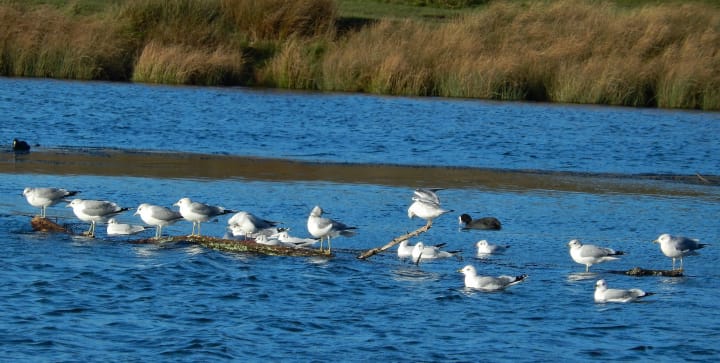
Gulls have a wide range of plumage, from white to black, and can be found worldwide. They are omnivores preferring to eat fish but will also eat insects and small animals like snails or mice if they can find them. They have long wings and short legs with webbed feet, which help them swim effortlessly through the water when necessary.
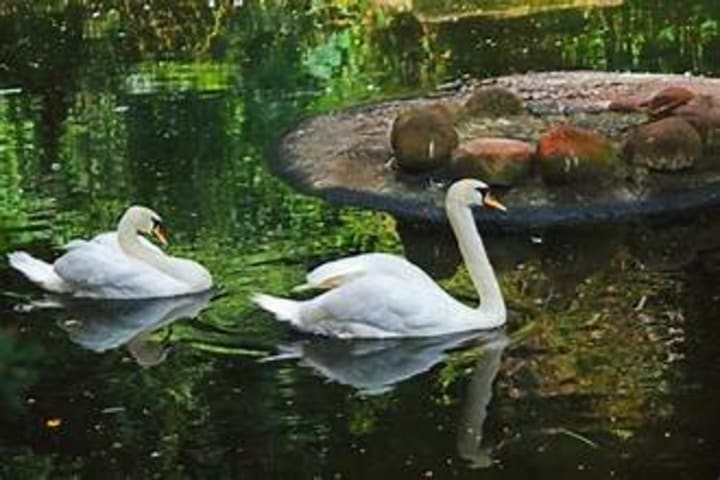
Swans are very graceful and elegant creatures. They have long legs, long necks, and long tails that move about gracefully as they swim through the water. They are herbivores that eat aquatic plants and other water plants, as well as algae and small insects.
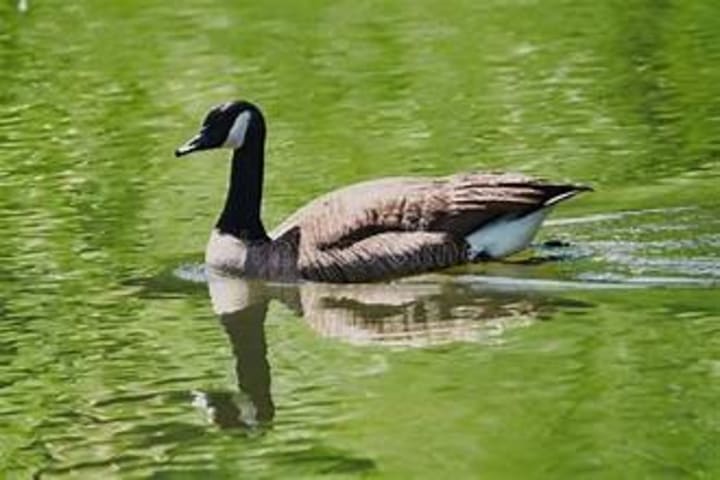
Geese are very social birds and are loud when gathering in large flocks. They will eat anything from fruit and vegetable peels to insects.
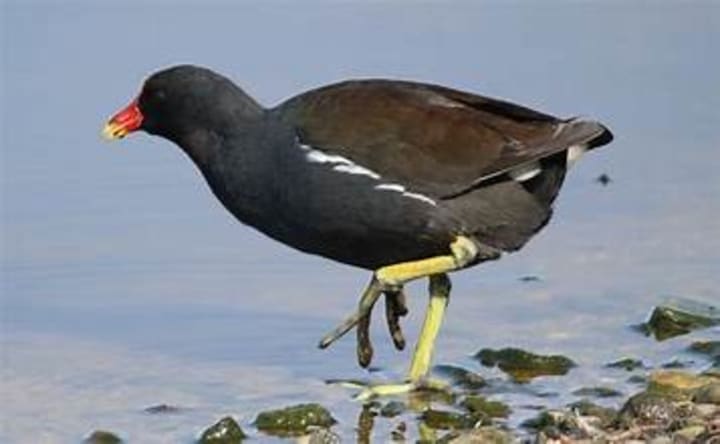
Moorhens are medium-sized water birds that are easily recognizable by their red eyes, black plumage, and yellow-tipped beaks. They are also sociable birds, gathering in large flocks. These birds are omnivores, eating plants (like water plants) and animals (like insects). They use their short bill to probe into mud or soft soil for food like worms or small fish.
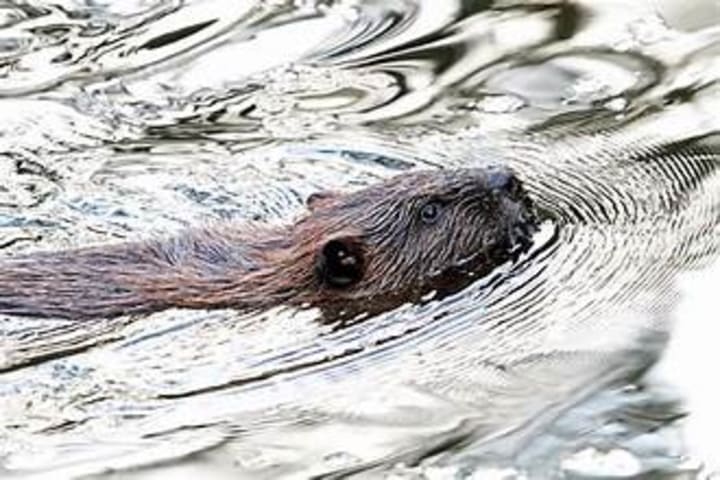
Beavers are iconic pond dwellers building dams and lodges. These structures not only create ponds but also enhance habitat diversity, benefiting aquatic plants, fish, and other wildlife. Beavers prefer freshwater environments, including ponds, where they find safety and food through their swimming and diving skills, contributing to the overall pond life.
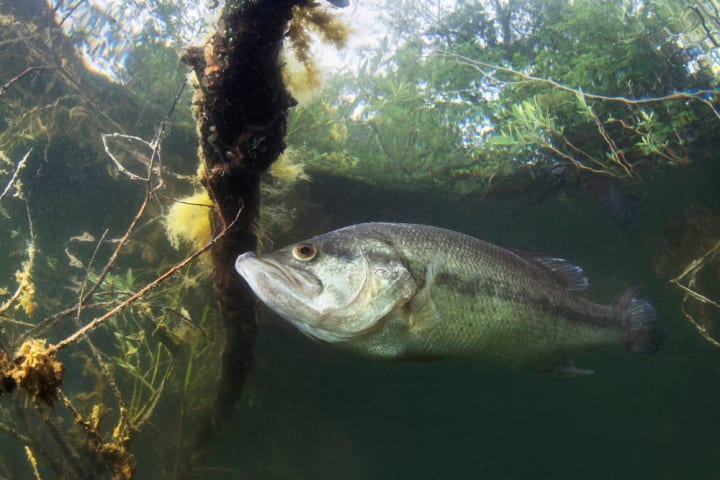
Among the most common are fish such as freshwater fish like fathead minnows, largemouth bass, and bluegills.
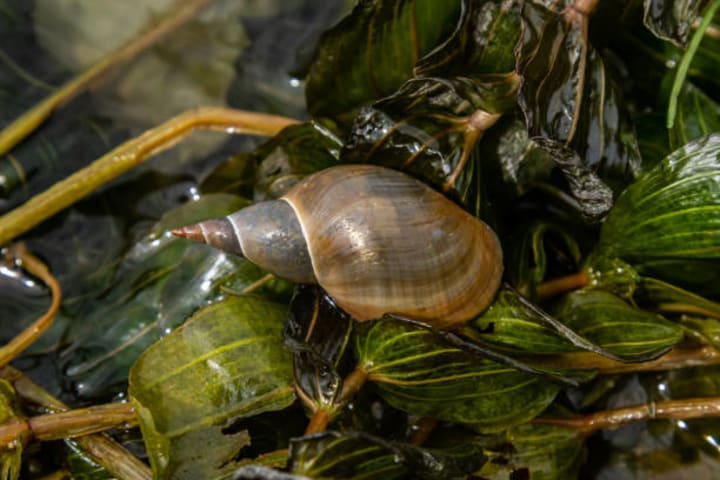
Freshwater snails are a type of mollusk that live in garden ponds, lakes, and rainforests. They get food from other organisms, algae, and small water debris. These are slow-moving creatures and, unfortunately, can carry a dangerous parasitic disease called schistosomiasis.
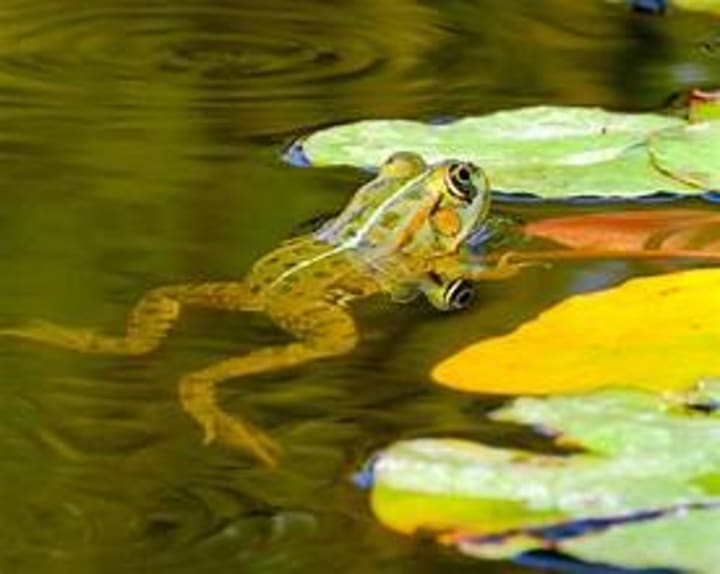
Frogs are a species that belong to amphibians, and they enjoy living in colder ecosystems like ponds. They are carnivorous and enjoy dining on insects like flies and moths, as well as other organisms, among them snails, worms, and slugs. Ponds make the perfect place for frogs to lay their eggs among vegetation, where tadpoles will grow and eat the pond’s algae to become frogs.
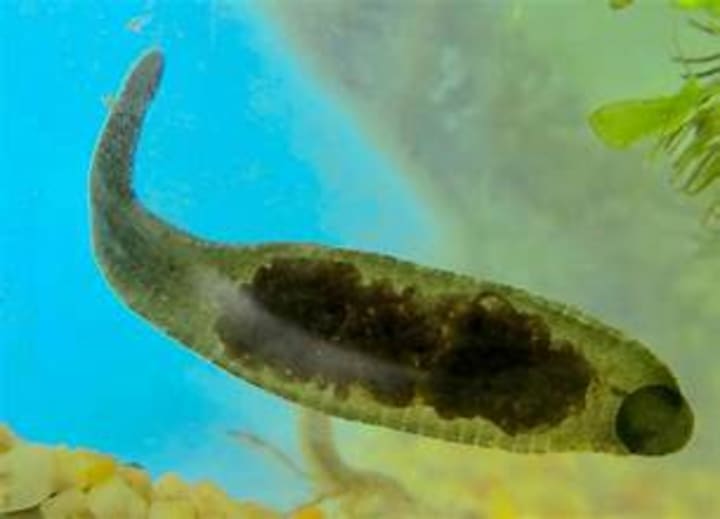
You can find a variety of predatory worms in ponds, like leeches. These leeches are made up of a total of 32 segments, with soft, muscular bodies that help them thrive in damp environments. Each segment contains its own brain. A leech’s diet includes sucking blood from frogs, fishes, and lizards.
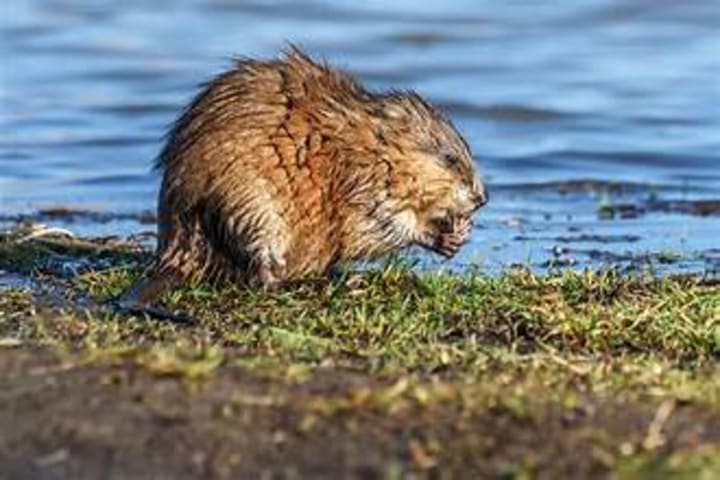
Also semi-aquatic muskrats are commonly found in ponds, wetlands, and marshes. These animals are known for building lodges from vegetation; muskrats also dig burrows along pond banks, often impacting water flow. They play a vital role in controlling aquatic vegetation, as their diet consists of aquatic plants, snails, and small animals.
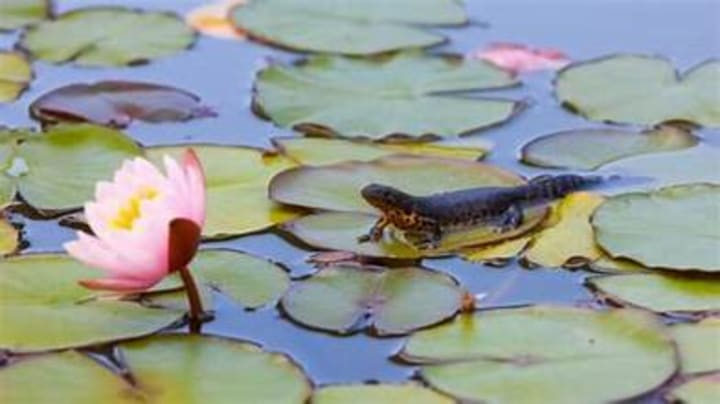
Newts are semiaquatic, spending time in the water for reproduction and other times on land. They are salamanders and live in freshwater habitats and cold ecosystems.
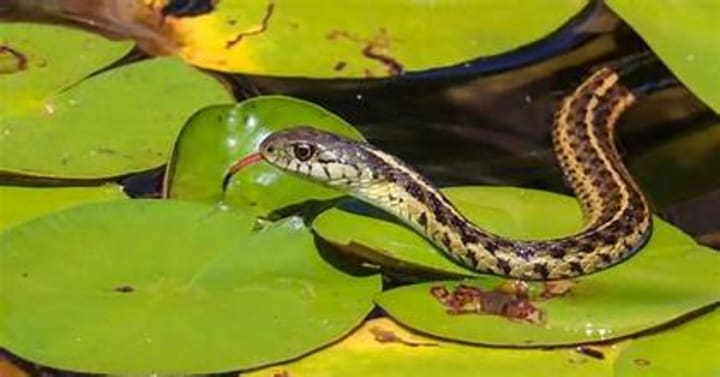
Garter snakes are predatory reptiles that enjoy pond living. Garter and other types of snakes are the primary predators of insects and small fishes.
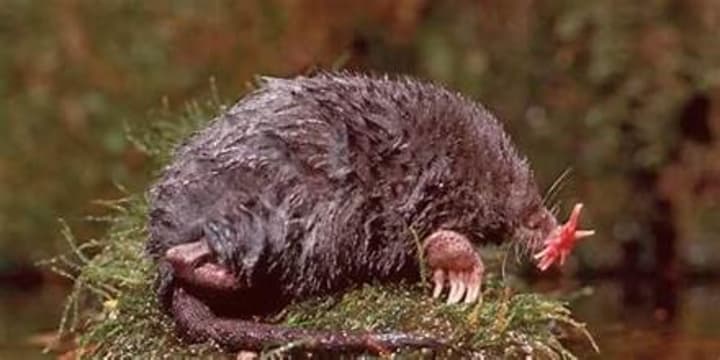
Star-nosed moles are small semiaquatic mammals that thrive in habitats near ponds. They are known by their unique star-shaped structure on their noses; they use this organ to detect prey. These moles are proficient swimmers, feeding on aquatic invertebrates, small fish, and amphibians. Their presence contributes to pest control by reducing populations of insects and other invertebrates.
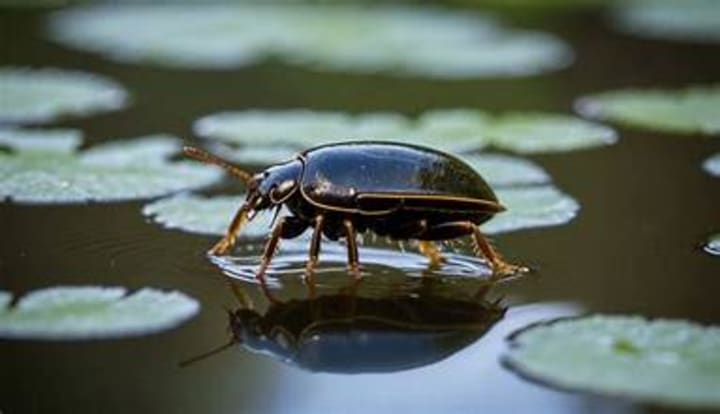
Water beetles are a variety of beetles that have adapted to live near water or in water. They are carnivores.
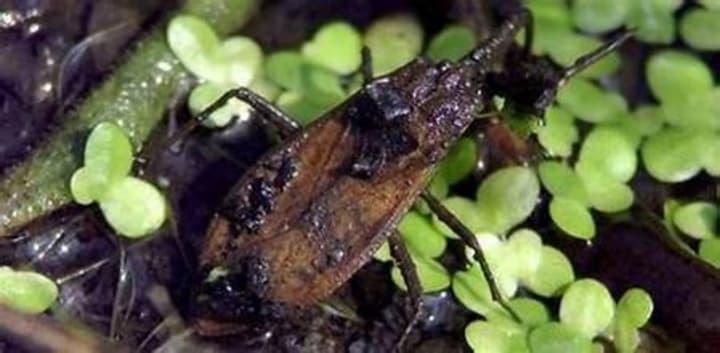
Water scorpions, known as Nepidae, are a variety of insects that live in wet habitats. They dine on insects, tadpoles, tiny fish, and invertebrates. They are great swimmers.
About the Creator
Rasma Raisters
My passions are writing and creating poetry. I write for several sites online and have four themed blogs on Wordpress. Please follow me on Twitter.
Keep reading
More stories from Rasma Raisters and writers in Earth and other communities.
Amazing Animals Madagascar
The island of Madagascar has one of the most unique ecosystems on Earth. It is located off the east coast of Africa and is the fourth-largest island in the world. The island is home to rainforests, dry forests, deserts, and coastal reefs.
By Rasma Raisters4 months ago in Earth
UK Exposed to ‘Serious Harm’ by Failure to Tackle AI Risks, MPs Warn
The United Kingdom is facing growing warnings from Parliament that its approach to regulating artificial intelligence (AI) could leave citizens and the financial system exposed to serious harm. A recent report by the House of Commons Treasury Select Committee criticizes the government for a “wait-and-see” attitude toward AI risks, especially in financial services.
By Aarif Lashari2 days ago in Earth
The Dryads Are Calling
Deep within the heart of ancient forests, where sunlight filters through towering canopies and the air hums with life, there exists a world few humans truly understand. It is a world of dryads, the mythical tree spirits of folklore, silently observing, nurturing, and sometimes guiding the creatures that dwell among the trees. Today, their legend continues to captivate the imagination, blending myth, nature, and a touch of magic.
By Aarif Lashari3 days ago in Earth


Comments
There are no comments for this story
Be the first to respond and start the conversation.