
Common Goldfish Diseases and How to Prevent Them.
Goldfish are popular pets known for their vibrant colors and fascinating behaviors.
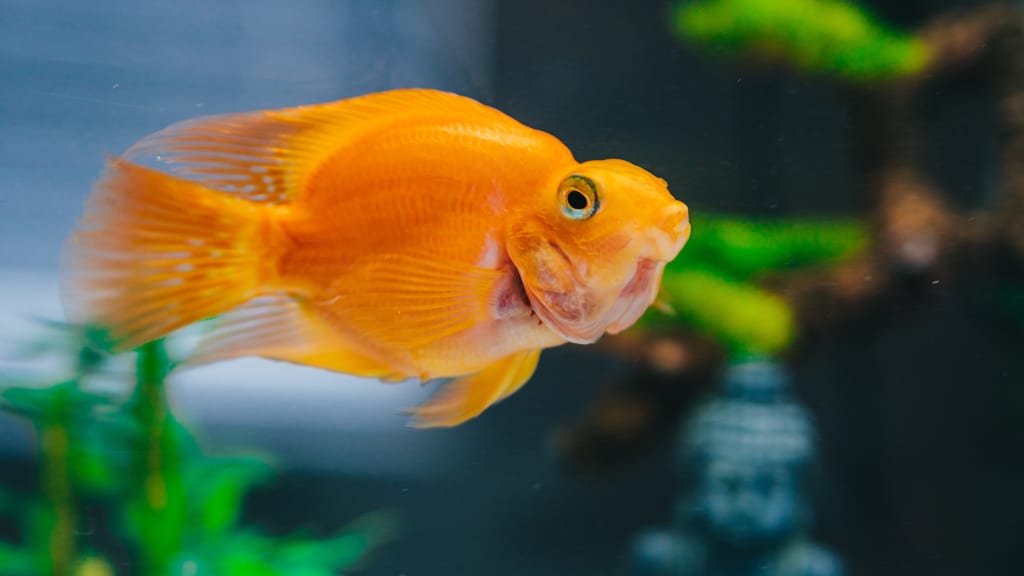
Title: Common Goldfish Diseases and How to Prevent Them
Introduction
Goldfish are popular pets known for their vibrant colors and fascinating behaviors. However, like any living creature, goldfish are susceptible to various diseases that can affect their health and well-being. Understanding common goldfish diseases and learning preventive measures is crucial for ensuring the longevity and vitality of your aquatic companions. In this article, we will explore some of the most prevalent goldfish diseases and provide practical tips to prevent them.Goldfish are popular and beautiful pets, but like any living creature, they can fall prey to various diseases. As a responsible owner, it is essential to understand the common ailments that can affect goldfish and take proactive measures to prevent them. In this article, we will explore some prevalent goldfish diseases and provide tips on how to keep your finned friends healthy and thriving.
1. Swim Bladder Disorder
Swim bladder disorder is a common ailment that affects the swim bladder, an organ responsible for controlling the fish's buoyancy. Symptoms of swim bladder disorder include floating at the water's surface or sinking to the bottom, erratic swimming patterns, and difficulty maintaining balance. To prevent this condition, ensure your goldfish have a balanced diet and avoid overfeeding. Feeding sinking pellets or peas can help prevent swim bladder problems by promoting healthy digestion.
2. Ich (Ichthyophthirius multifiliis)
Ich, also known as white spot disease, is a highly contagious parasite infection. It appears as white spots resembling grains of salt on the goldfish's body, fins, and gills. Stress, poor water quality, and overcrowding can increase the likelihood of ich outbreaks. To prevent this disease, maintain excellent water quality by performing regular water changes, provide adequate filtration, and avoid introducing new fish without proper quarantine and observation.
3. Fin Rot
Fin rot is a bacterial infection that affects the goldfish's fins and tail, causing them to become frayed, discolored, and eroded. Poor water conditions, stress, and fin nipping by tankmates can contribute to the development of fin rot. To prevent this disease, maintain a clean and well-filtered aquarium, avoid overcrowding, and ensure a balanced diet with proper nutrition to strengthen the fish's immune system.
4. Dropsy
Dropsy is a severe condition characterized by fluid accumulation in the goldfish's body, resulting in a bloated appearance. It is often caused by bacterial infection, poor water quality, or internal organ failure. Prevention includes regular water testing and maintenance, avoiding overfeeding, and quarantining new fish. Dropsy is challenging to treat, so prevention is crucial.
5. Velvet Disease (Oodinium)
Velvet disease is caused by a parasitic protozoan and appears as a golden or rust-colored dusting on the goldfish's body and fins. Infected fish may also exhibit rapid gill movement, loss of appetite, and lethargy. To prevent velvet disease, maintain optimal water quality, quarantine new fish, and avoid temperature fluctuations in the aquarium.
6. Mouth Fungus (Columnaris)
Mouth fungus, or columnaris, is a bacterial infection that affects the mouth, fins, and gills of goldfish. It appears as white or gray patches, and infected fish may exhibit difficulty eating, labored breathing, and lethargy. To prevent mouth fungus, maintain clean water conditions, provide a balanced diet, and avoid stressors such as overcrowding and poor water quality.
Conclusion
By understanding common goldfish diseases and implementing preventive measures, you can significantly reduce the risk of your goldfish falling ill. Ensure a clean and well-maintained aquarium, maintain proper nutrition and feeding practices, and quarantine new fish before introducing them to an existing population. Regular observation and prompt action in case of any signs of illness are vital for the well-being of your goldfish. With proper care and attention, your goldfish can thrive in a healthy and disease-free environment, bringing joy and beauty to your aquatic hobby.
About the Creator
Keep reading
More stories from Mr Royal Honey and writers in Earth and other communities.
The Fascinating World of Tuna.
The Fascinating World of Tuna: A Comprehensive Guide Tuna, a highly popular and sought-after fish, is not only a staple in many cuisines but also a fascinating creature with a rich history and unique characteristics. From its diverse species to its migratory patterns, the world of tuna offers a captivating glimpse into the wonders of the ocean. In this comprehensive guide, we delve into the captivating world of tuna. Tuna is a popular fish that can be found in oceans around the world. It is a fascinating species with many unique characteristics and interesting facts. In this comprehensive guide, we will explore the world of tuna, including its biology, habitat, diet, and more.
By Mr Royal Honey 3 years ago in Earth
Orlando experiences a rare prolonged cold as colder temperatures return to central Florida.
Orlando — a city known for warm breezes, sunshine, and mild winter days — has been experiencing a winter chapter more reminiscent of northern states than Central Florida. Residents have been bundled up in coats and reaching for heaters that are typically hidden during this time of year, as what began as a brief burst of cold air has grown into a "frigid, multi-day cold spell." The cold arrived without much fanfare, but it has stuck around for a remarkable amount of time. Forecasters say the chill is likely to last longer than most Floridians can remember. Instead of a brief dip, the thermometer has been well below seasonal norms for several days. Locals are pondering the question of when the temperature in Orlando last dropped to such lows.
By Raviha Imran2 days ago in Earth
The Impact of Biochar Stability: How Fixed Carbon Dictates Sequestration Success
In the urgent global effort to scale effective carbon dioxide removal (CDR), biochar has emerged as a leading contender. But not all biochar is equal in its climate-fighting power. The true measure of its long-term sequestration potential lies in one critical property: the stability of its fixed carbon. Understanding this is key to maximizing biochar's role in our carbon toolbox.
By Bestonpyrolysis2 days ago in Earth



Comments
There are no comments for this story
Be the first to respond and start the conversation.