
The Fascinating World of Tuna.
A Comprehensive Guide.

The Fascinating World of Tuna: A Comprehensive Guide
Tuna, a highly popular and sought-after fish, is not only a staple in many cuisines but also a fascinating creature with a rich history and unique characteristics. From its diverse species to its migratory patterns, the world of tuna offers a captivating glimpse into the wonders of the ocean. In this comprehensive guide, we delve into the captivating world of tuna.
Tuna is a popular fish that can be found in oceans around the world. It is a fascinating species with many unique characteristics and interesting facts. In this comprehensive guide, we will explore the world of tuna, including its biology, habitat, diet, and more.
Biology of Tuna
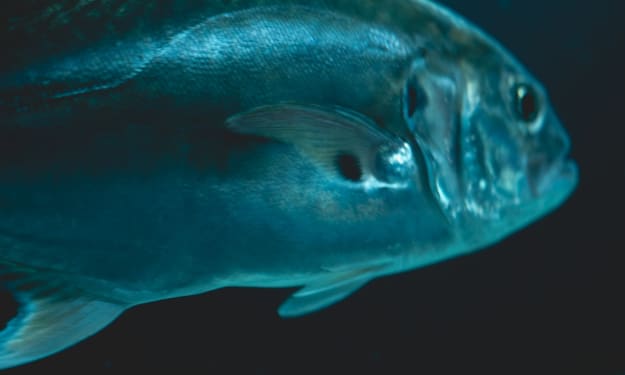
Tuna is a type of fish that belongs to the Scombridae family. This family includes other popular fish such as mackerel and bonito. Tuna can grow to be quite large, with some species reaching up to 10 feet in length and weighing over 1,000 pounds. Tuna have streamlined bodies that are built for speed, and they are some of the fastest-swimming fish in the ocean.
1. Species of Tuna:
Tuna encompasses several species, each with its distinct features. The most well-known species include the bluefin, yellowfin, bigeye, albacore, and skipjack tuna. The bluefin tuna, renowned for its rich flavor and high market value, is the largest of the species and can reach enormous sizes, weighing up to 1,500 pounds. The yellowfin tuna is another popular variety, known for its mild flavor and versatility in various culinary preparations.
2. Migratory Patterns:
Tuna are remarkable migratory fish, covering vast distances across the world's oceans. They undertake epic journeys, crossing entire oceans in search of food and suitable breeding grounds. The Pacific bluefin tuna, for example, migrates from the Western Pacific to the Eastern Pacific, covering thousands of miles. This impressive migration contributes to the global distribution of tuna and their significance in various regions.
3. Feeding Habits:
Tuna are powerful predators with voracious appetites. They are known for their remarkable speed and agility, which allows them to chase down their prey effectively. Tuna feed on a diverse diet that includes smaller fish, squid, and crustaceans. The yellowfin tuna often forms feeding frenzies, where large schools of tuna work together to encircle and trap their prey, creating a spectacle of splashing and leaping fish.
4. Commercial Importance:
Tuna holds significant commercial value worldwide and is highly sought after for its delicious meat. Its meat is renowned for its firm texture, deep red color, and rich flavor. The popularity of sushi and sashimi has further increased the demand for tuna, especially the prized bluefin variety. Unfortunately, overfishing and unsustainable practices have led to concerns about the long-term viability of tuna populations and the need for responsible fishing methods.
5. Conservation Efforts:
Recognizing the importance of preserving tuna populations, numerous conservation initiatives have been implemented. Organizations such as the International Seafood Sustainability Foundation (ISSF) work towards promoting sustainable fishing practices, including measures to reduce bycatch and protect spawning grounds. Additionally, governments and fisheries are implementing stricter regulations on tuna fishing to ensure the long-term health of these remarkable fish.
6. Tuna and the Ecosystem:
Tuna play a vital role in maintaining the balance of marine ecosystems. As apex predators, they help regulate the populations of their prey, preventing overpopulation and ensuring a healthy ecosystem. Furthermore, tuna contribute to the movement of nutrients within the ocean by feeding on smaller fish that have consumed plankton and other microscopic organisms. Their ecological importance extends beyond their commercial value.
7. Tuna as an Indicator Species:
Due to their large size, long lifespan, and migration patterns, tuna are often used as indicator species for assessing the health of the marine environment. Monitoring tuna populations provides valuable insights into the overall condition of the oceans and helps scientists and researchers understand the impact of climate change, pollution, and overfishing on marine ecosystems.
In conclusion, the world of tuna is as fascinating as it is diverse. From the different species and their migratory patterns to their ecological importance and commercial significance, tuna continue to captivate both scientists and seafood enthusiasts alike. By understanding and promoting sustainable fishing practices, we can ensure that future generations can continue to appreciate the wonder of these incredible fish and the ecosystems they inhabit.
About the Creator
Keep reading
More stories from Mr Royal Honey and writers in Earth and other communities.
Tuna Fishing Techniques.
Tuna Fishing Techniques: Unraveling the Secrets of the Sea Tuna fishing has captivated the imagination of fishermen for centuries. This magnificent fish not only provides a thrilling challenge but also holds immense commercial value. From the vast open ocean to the coastal waters, the secrets of successful tuna fishing techniques have been carefully passed down from one generation to the next. In this article, we will delve into the intricacies of tuna fishing, exploring the methods that have proven effective in reeling in these powerful and elusive creatures. Tuna fishing is an exciting and rewarding activity that requires skill, knowledge, and patience. The process of catching tuna is not just about dropping a line and waiting for a fish to bite; it involves a range of techniques that must be mastered to be successful. In this article, we will explore the secrets of tuna fishing techniques. One of the most popular techniques employed in tuna fishing is longlining. This method involves deploying a mainline that stretches for miles, with smaller branch lines spaced evenly along its length. These branch lines, often equipped with hooks and baited with squid or other live bait, entice the tuna to strike. Longlining is a highly efficient method that allows fishermen to cover vast areas of water and target different tuna species simultaneously.
By Mr Royal Honey 3 years ago in Earth
The dreadful revenge
THE DREADFUL REVENGE There was Extreme radiation across the whole town of Blantyre. The sun seemed to descend from space onto the town, Every human could no longer bear the scorching heat. Everyone Was sweating heavily and sweat flowed from their Foreheads Down to the soil like a waterfall .Dehydration made Many of them to faint. some rushed to their houses For shade but they were disappointed that there was no temperature difference between the inside and the outside. The radiation persisted ,Unbearable it became. People Turned on the air conditioners to cool down Their extremely hot bodies, but the machines only forced hot air Into the houses, making them radiate even greater heat. Others run to the taps only to find hot water gushing from them. They hurried down to their houses to search for ice blocks from their freezers cold but when they took it out the ice melted.Helplessness spread As no one knew how to bring their body temperatures back to normal.
By Precious Chabwera7 days ago in Earth
I am Rainbow?
When the rain stops, clouds disperse, and the sun shows its bright, shining face, sometimes a colorful arc appears in the sky right in front of the sun. This phenomenon is called a rainbow, also known as “Qaus-e-Qazah” or “Dhanak” in Urdu. A rainbow is visible only during the daytime. At night, it cannot be seen because it is entirely formed by sunlight.
By Sudais Zakwan7 days ago in Earth



Comments
There are no comments for this story
Be the first to respond and start the conversation.