
Climate change is a global challenge
Climate change is the biggest environmental issue we're facing today. It's caused by the buildup of greenhouse gases in the atmosphere, primarily from human activities like burning fossil fuels.

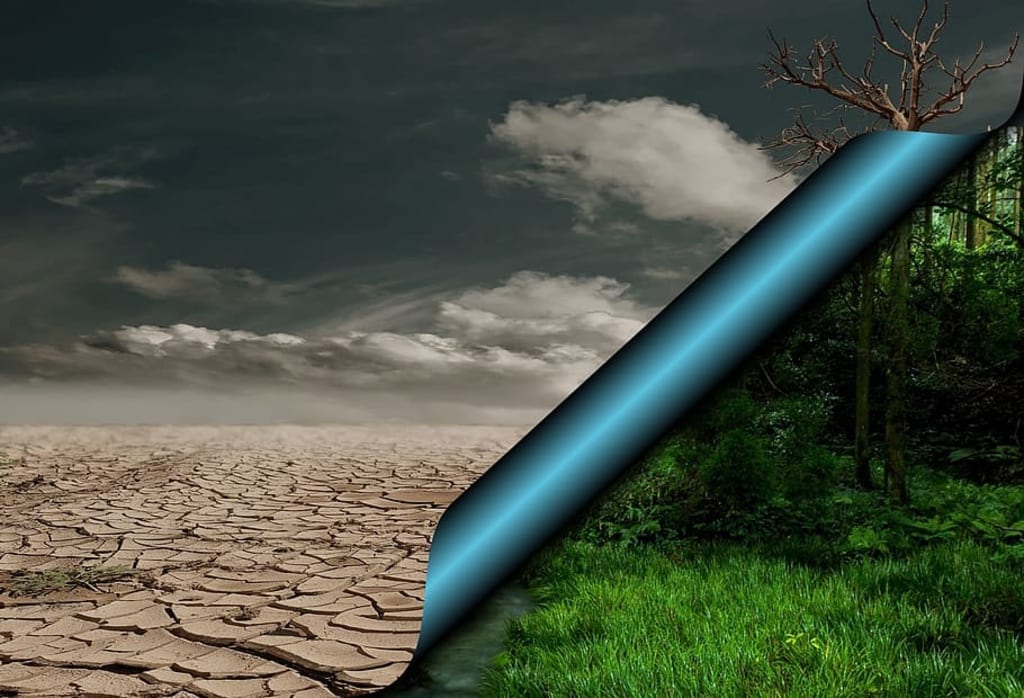
Now, I know what you're thinking. Well, it's all about balance. You don't have to give up everything you love, but making small changes in your everyday life can make a big difference. Plus, who doesn't love a good challenge? Think of reducing your carbon footprint as a game. The goal is to lower your carbon emissions and save the planet, and the reward is a cooler, greener earth. So, let's roll up our sleeves, put on our thinking caps, and start making a positive impact on the environment.
Reduce Your Carbon Footprint by Driving Less
Let's face it, cars are convenient, but they come at a cost. The transportation sector is a major contributor to carbon emissions, with cars being one of the biggest culprits. The average passenger vehicle emits about 4.6 metric tons of carbon dioxide per year, and that number only goes up if you drive a gas-guzzler or take frequent road trips. But, fear not! There are simple steps you can take to reduce your carbon footprint and cut down on your driving.
One of the easiest ways to reduce your carbon emissions is by driving less. This may seem daunting, but it's all about making small changes in your daily routine. For instance, consider carpooling or taking public transportation to work or school. Not only will this reduce your carbon emissions, but it will also save you money on gas and maintenance. Plus, you can catch up on your reading or podcasts during your commute instead of stressing over traffic.
If public transportation isn't an option, consider biking or walking to your destination. Not only is this a great way to reduce your carbon footprint, but it's also a great way to get exercise and enjoy the great outdoors. You'll be amazed at how much more you'll notice when you're not staring at the back of another car in traffic.
Eat a Plant-Based Diet to Cut Your Carbon Emissions
Did you know that the food we eat has a significant impact on our carbon footprint? Animal agriculture is a major contributor to greenhouse gas emissions, making up about 14.5% of global emissions. That's more than the entire transportation sector! So, what can we do about it? One solution is to adopt a plant-based diet.
Now, I know what you're thinking, "I love my burgers and bacon, how can I give them up?" Well, it's not about giving up everything you love, but making small changes in your diet. You don't have to become a vegan overnight, but incorporating more plant-based meals into your diet can make a significant impact on the environment.
Studies have shown that a plant-based diet can reduce the risk of chronic diseases such as heart disease, diabetes, and certain types of cancer. Plus, with so many delicious plant-based recipes out there, you won't even miss the meat.
If you're not ready to go fully plant-based, consider adopting a flexitarian diet. This means that you eat mostly plant-based meals, but still incorporate small amounts of meat and dairy into your diet. This is a great way to reduce your carbon footprint while still enjoying your favorite foods.
Use Energy-Efficient Appliances to Lower Your Carbon Footprint at Home
Did you know that the appliances in your home are some of the biggest energy users in your household? From your refrigerator to your air conditioner, these appliances contribute to your carbon footprint. But, fear not! There are simple steps you can take to reduce your energy usage and cut down on your carbon emissions at home.
One of the easiest ways to reduce your carbon emissions is by using energy-efficient appliances. Energy-efficient appliances use less energy to perform the same function as their less efficient counterparts, which means less energy is wasted and fewer greenhouse gas emissions are released into the atmosphere. For example, an Energy Star-certified refrigerator can use up to 15% less energy than a non-certified model.
Support Renewable Energy to Reduce Our Dependence on Fossil Fuels
Renewable energy is increasingly becoming a popular topic among the general public as we become more aware of the impact of our energy consumption on the environment. Fossil fuels, which are finite resources, have been the primary source of energy for many years, but their negative effects on the environment, including air pollution and greenhouse gas emissions, have led to a push for more sustainable alternatives.
One of the most significant benefits of renewable energy sources is that they do not produce the same level of carbon emissions as fossil fuels. Instead, they generate electricity using clean, natural resources such as the sun, wind, and water. As a result, renewable energy can help reduce our dependence on fossil fuels and, in turn, reduce our carbon footprint.
Get Involved in Climate Action to Make a Bigger Impact
Climate change is one of the most significant environmental challenges we face today, and it requires a collective effort to mitigate its impact. While government policies and international agreements play an essential role in addressing climate change, individual actions also make a significant impact. Getting involved in climate action can help make a bigger impact and create a more sustainable future for ourselves and future generations.
There are many ways that individuals can get involved in climate action. One of the most effective ways is by making small changes in our daily lives that collectively make a big impact. Simple actions such as reducing energy consumption, recycling, using public transportation, and choosing sustainably produced goods can all help reduce carbon emissions and lower our environmental impact.
About the Creator
Keep reading
More stories from Mirza Mirza and writers in Earth and other communities.
Discovering the Hidden Wonders of the Deep Sea
Imagine yourself in a world where the pressure is crushing, the darkness is complete, and the temperature is freezing. That's the deep sea for you, folks! It's a place where things can get pretty spooky, but that's all part of the charm. With every new discovery, we uncover more about the wonders of this mysterious realm, and let us tell you, there are plenty of hidden gems waiting to be found. So, whether you're a seasoned ocean adventurer or a curious landlubber, buckle up and get ready for a journey to the deepest, darkest depths of the ocean. We guarantee you won't be disappointed!
By Mirza Mirza3 years ago in Earth
Trump Signs Order to Limit Wall Street Investors in Single-Family Housing
In a move signaling renewed focus on housing affordability, former President Donald Trump has signed an executive order intended to limit Wall Street investors’ ability to buy single-family homes. The announcement comes amid growing public concern over the role of large investment firms in driving up home prices and reducing access to affordable housing for everyday Americans. Advocates say the order could help restore balance to the housing market, while critics question whether the measure will be effective or face legal challenges.
By Muhammad Hassanabout 22 hours ago in Earth
How, Too
Many people wonder how, too. You are not alone, and I am an expert. I will teach you how, too! First, you need to remit a small application fee and fill out an application describing the nature of your financial situation and how often payments will be made, as this will have great bearing on how well I teach you how, too.
By Harper Lewis5 days ago in Fiction



Comments