
Discovering the Hidden Wonders of the Deep Sea
The Final Frontier on Our Planet


Imagine yourself in a world where the pressure is crushing, the darkness is complete, and the temperature is freezing. That's the deep sea for you, folks! It's a place where things can get pretty spooky, but that's all part of the charm. With every new discovery, we uncover more about the wonders of this mysterious realm, and let us tell you, there are plenty of hidden gems waiting to be found. So, whether you're a seasoned ocean adventurer or a curious landlubber, buckle up and get ready for a journey to the deepest, darkest depths of the ocean. We guarantee you won't be disappointed!
The Importance of Studying the Deep Sea
The deep sea is the largest and least explored environment on Earth, covering over two-thirds of the planet's surface. Despite its vastness, little is known about this mysterious realm, which has important implications for our understanding of the Earth's climate, geology, and biology. Studying the deep sea is crucial for several reasons:
Biodiversity: The deep sea is home to an incredibly diverse range of organisms, many of which are found nowhere else on Earth. These species have adapted to the extreme conditions of the deep sea, such as complete darkness, high pressure, and low temperatures, and have developed unique adaptations to survive. Studying this biodiversity is essential for understanding theevolution and diversity of life on Earth.
Climate Change: The deep sea plays a crucial role in regulating the Earth's climate. For example, it absorbs large amounts of carbon dioxide, which helps to mitigate the effects of climate change. Studying the deep sea can help us understand the processes that regulate the Earth's climate and how it may change in the future.
Natural Resources: The deep sea is also a source of valuable natural resources, including minerals, hydrocarbons, and biotechnology products. Studying the deep sea can help us identify new resources and develop sustainable methods for their extraction.
The Unique Ecosystem of the Deep Sea
The deep sea is an extremely unique ecosystem that is characterized by extreme conditions and a total absence of sunlight. It is the largest and least explored environment on Earth, covering over 60% of the planet's surface. The ecosystem of the deep sea is unlike any other, and is home to a diverse range of creatures that have adapted to the harsh and challenging conditions.
One of the key features of the deep sea is its extreme pressure, which can reach up to 1000 times the pressure found at the surface. This extreme pressure combined with the cold temperatures, complete darkness, and limited food supply, makes the deep sea a challenging place for life to exist. Despite these conditions, the deep sea is home to a wide variety of species that have adapted to survive in this harsh environment.
One of the most unique creatures found in the deep sea is the deep-sea anglerfish. This fish is equipped with a bioluminescent "fishing rod" that it uses to attract prey. Other creatures found in the deep sea include the viperfish, which uses its long, sharp teeth to capture its prey, and the giant squid, which is capable of reaching lengths of over 43 feet. The deep sea is also home to a diverse range of coral species, which provide essential habitat for other deep-sea creatures.
In addition to the unique creatures found in the deep sea, the ecosystem is also characterized by the presence of deep-sea vents and seeps. These areas are characterized by the release of hot, mineral-rich fluids from the Earth's mantle into the ocean. This release of fluids creates a unique environment that is home to a diverse range of chemosynthetic organisms, which are capable of surviving without sunlight by using the energy from these chemicals to produce their own food.
The unique ecosystem of the deep sea has a significant impact on the global environment and climate, and is an important area of study for scientists and researchers. The deep sea also holds vast reserves of minerals and energy resources, which are currently being explored for use in a variety of industries. Despite the potential benefits of the deep sea, it is important to ensure that its unique and fragile ecosystem is protected and preserved for future generations
The Challenges of Exploring the Deep Sea
The deep sea, also known as the abyssal zone, is the part of the ocean that lies below 200 meters. Despite covering more than 60% of the Earth's surface, the deep sea remains one of the least explored environments on our planet. This is due to a number of challenges, including:
Extreme Conditions: The deep sea is characterized by extreme pressure, darkness, and cold temperatures. These conditions make it difficult for scientists and researchers to safely explore the area and gather data.
Technical Limitations: The technology required to explore the deep sea is both expensive and complex. Moreover, it can be difficult to retrieve samples and data from the depths of the ocean without damaging the delicate ecosystem.
Accessibility: The deep sea is difficult to access due to its remote location and the challenges associated with deep-sea diving. This makes it challenging for researchers to conduct regular expeditions and gather data on a continuous basis.
Lack of funding: The high cost of deep sea exploration and the limited potential for commercial applications often result in a lack of funding for research. This can make it difficult for scientists to secure the resources needed tostudy the deep sea and its unique ecosystems
About the Creator
Keep reading
More stories from Mirza Mirza and writers in Earth and other communities.
The History of Volcanic Eruptions
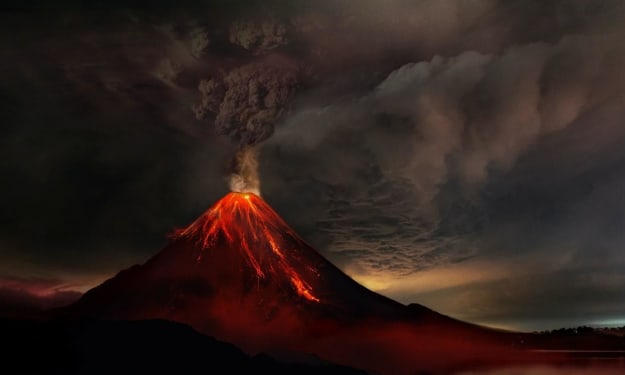
Volcanoes have been around for as long as the Earth has existed, and they've been making a big bang for themselves ever since. In ancient civilizations, volcanic eruptions were often considered acts of the gods, with communities offering sacrifices to appease their wrath. Fast forward to the Middle Ages, and you'll find that volcanic eruptions played a significant role in shaping European history. Who would have thought that an eruption of Mount Etna in 1169 could have influenced the outcome ofthe Norman conquest of southern Italy? But that's just the tip of the lava flow. The modern era has seen incredible advancements in our understanding of volcanic eruptions and their impact on the environment. From predicting eruptions to responding to their aftermath, the history of volcanic eruptions is a tale of human ingenuity and resilience in the face of nature's fury. So, grab a bucket of popcorn and get ready for a fiery ride through history!
By Mirza Mirza3 years ago in Earth
Trump Slams UK Deal to Hand Over Chagos Islands After Previously Backing It
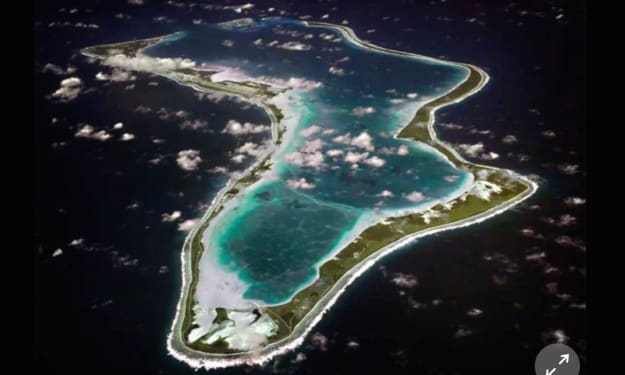
If you thought politics couldn’t surprise you anymore, Donald Trump just proved otherwise. In a dramatic U-turn, the former U.S. president criticized the United Kingdom’s decision to transfer sovereignty of the Chagos Islands to Mauritius—a deal he had previously backed. What was once considered a solution to a decades-long dispute has now become a hot topic, sparking debates about strategy, diplomacy, and international trust.
By Muhammad Hassan2 days ago in Earth


Comments