
Climate Change: Impact on Lives, Economy, and Urgent Adaptation Needs
Climate change in africa
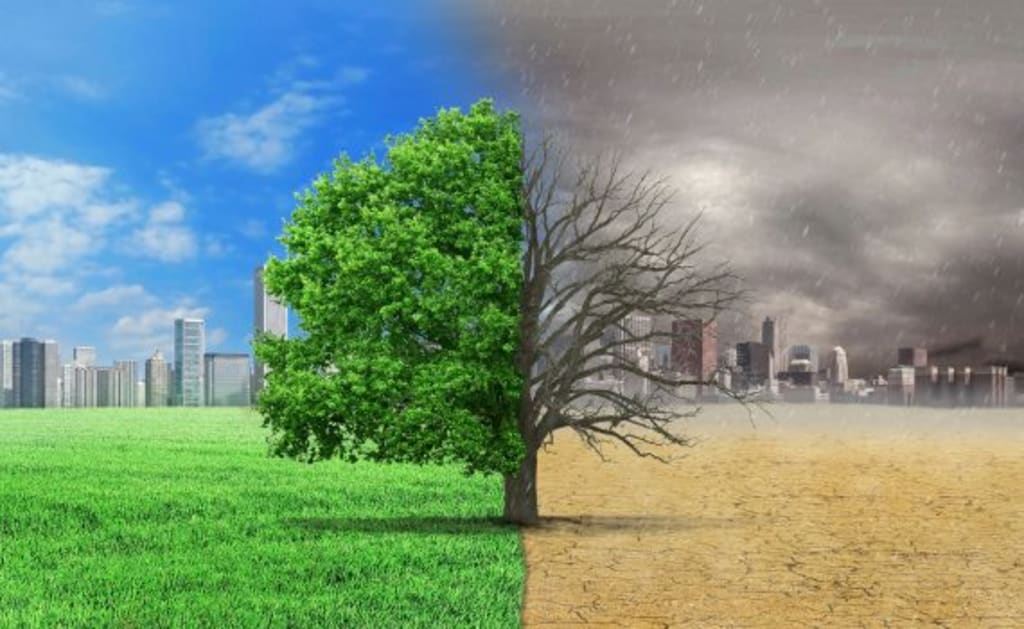
In 2021, climate change has permeated every aspect of our lives and business activities. Exploring the far-reaching consequences of these changes, this article examines the displacement of individuals, agricultural challenges, decision-making regarding climate adaptations, and the critical issue of costs. Taking a step back to understand the bigger picture, climate change emerges as the most significant problem facing the world today, posing existential threats to both the environment and the global economy. The urgency to act cannot be overstated as we find ourselves on the verge of a perilous abyss.
Climate Change's Disruptive Effects:
Climate change has dramatically altered previously stable and predictable weather patterns, affecting hundreds of millions of people worldwide.
The last decade has been characterized by a notable increase in exceptional heat, with 2020 ranking as one of the three warmest years on record.
The impact of climate change extends beyond dry statistics, manifesting in tangible and detrimental effects experienced by millions across the globe.
Impacts on Sudan, and Africa:
Sudan faced heavy rainfall in 2020, resulting in the Blue Nile reaching unprecedented levels and jeopardizing ancient structures like the pyramids of Moroi.
Droughts in Somalia often trigger humanitarian crises, leading to food shortages, malnutrition, and displacement of communities.
Livestock, a crucial source of livelihood for many Somalis, suffer from lack of water and pasture, leading to widespread animal deaths and economic losses.
Drought-induced food insecurity and malnutrition have resulted in recurring famines and an increased risk of disease outbreaks, particularly among vulnerable populations such as children and internally displaced persons (IDPs).
Flooding and the worst desert locust invasion in decades have left nearly 10 million Sudanese facing severe food insecurity.
Other parts of Africa, such as West Africa's Niger River, experienced record-level rises in water, exacerbating the continent's ongoing desert locust invasion.
Escalating Natural Hazards and Economic Losses:
The North Atlantic witnessed a record-breaking 30 named storms in 2021, causing significant damage.
The estimated monetary losses from natural hazards in 2021 alone amounted to $210 billion, comparable to the combined GDP of Kenya and Ethiopia.
The need to keep oil and gas resources untapped to limit temperature rise creates emerging financial problems, with potential asset devaluations and unanticipated write-downs.
Climate Strategies and Challenges in Different Regions:
South Africa:
South Africa, the most industrialized economy in Africa, is the continent's largest emitter of greenhouse gases.
Over 90% of the country's electricity is generated from coal-fired power plants, necessitating a transition to lower carbon technologies.
Challenges arise in balancing emission reductions with job losses and economic growth, but opportunities exist for job creation through renewable energy development.
Nigeria:
Despite Nigeria's small emissions footprint, the country has experienced a significant rise in extreme heat and accelerated desertification.
These factors contribute to conflicts between pastoralists and farmers, especially in the country's central regions.
Nigeria is actively driving a campaign for cleaner energy, aiming to cut greenhouse gas emissions by 20% by 2030 and promote renewable energy adoption.
Tunisia:
Rising sea levels, coastal erosion, and warmer waters pose threats to Tunisia's coastline and marine biodiversity.
These changes directly affect the country's tourism sector, employing a significant portion of the population.
Tunisia's government has initiated projects to protect coastal areas, secure livelihoods, and develop a resilient blue economy.
Conclusion:
Climate change's pervasive influence demands urgent adaptation measures across all sectors. As the Paris Climate Agreement reaches its fifth anniversary, the pressing questions of defining ideal adaptation paths and allocating costs remain. Collaborative efforts and global cooperation are necessary to mitigate the impacts of climate change and secure a sustainable future for the planet and its inhabitants.
About the Creator
Keep reading
More stories from Evans kamau mbugua and writers in Earth and other communities.
Dollar Falls to Four-Year Low as Trump Insists US Currency Is ‘Doing Great’
The US dollar has fallen to its lowest level in four years, rattling global currency markets and reigniting debate over the strength of the world’s dominant reserve currency. The decline comes amid mounting economic uncertainty, shifting interest rate expectations, and renewed political rhetoric—most notably from former President Donald Trump, who has insisted that the US currency is “doing great.”
By Aarif Lashari4 days ago in Earth
The One Problem
(This essay transforms the fragmented material into a single philosophical, future-oriented but non-naive vision. It treats humanity’s problems as one problem: governance understood as the art of living together over time, under shared responsibility, memory, and judgement. It avoids utopian innocence, and stages the solution historically: 2026, 2050, 2075, 2100.)
By Peter Ayolov2 days ago in Earth
Whiskey At Dusk
Guess the whiskey was more important to you in the end, wasn’t it? It was more than the well-being of your friends; more vital than showing up to the places you promised you would and could come to; more critical of a matter than fulfilling your damn responsibilities and getting the press off your back.
By Snarky Lisa8 days ago in Humans




Comments
There are no comments for this story
Be the first to respond and start the conversation.