
Climate and Environment
Greenhouse Gas Emissions and Climate Change
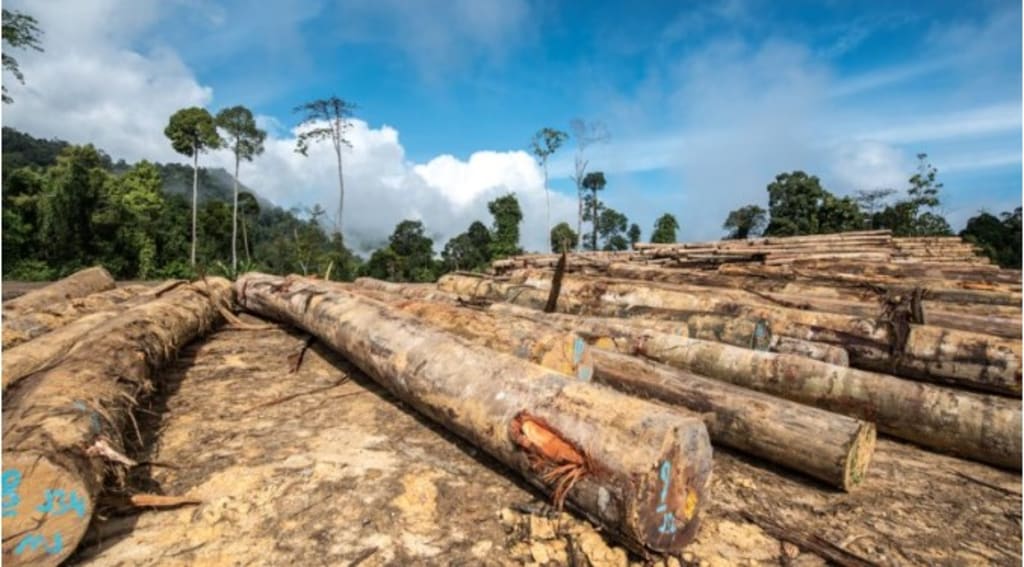
Deforestation is a major concern in tropical regions, and its impacts are extensive and wide-ranging. Here are some key points to further elaborate on the detrimental effects of deforestation:
1. Greenhouse Gas Emissions: Deforestation contributes to the release of greenhouse gases, particularly carbon dioxide (CO2), into the atmosphere. Trees absorb CO2 during photosynthesis and store carbon in their biomass. When forests are cleared or burned, the carbon stored in trees is released back into the atmosphere as CO2, contributing to the accumulation of greenhouse gases. This process exacerbates climate change by trapping heat in the Earth's atmosphere and contributing to global warming.
2. Loss of Biodiversity: Tropical forests are among the most biodiverse ecosystems on Earth, hosting a vast array of plant and animal species. Deforestation leads to the loss of habitat for countless species, putting them at risk of extinction. Disrupting ecosystems and fragmenting habitats also hinders the ability of species to migrate, adapt, and maintain healthy populations.
3. Disruption of Ecosystems: Forests provide essential ecosystem services such as regulating water cycles, maintaining soil fertility, and preventing erosion. When forests are cleared, these services are disrupted, leading to decreased water quality, reduced soil stability, and increased vulnerability to natural disasters like floods and landslides. The loss of forest cover also affects the availability of resources for local communities that depend on forests for food, medicine, and livelihoods.
4. Soil Degradation: Forests play a crucial role in maintaining soil health and fertility. The roots of trees help bind the soil, preventing erosion and nutrient loss. When forests are removed, the exposed soil is susceptible to erosion by wind and rain, leading to nutrient depletion and reduced agricultural productivity. The loss of forest cover also increases the risk of landslides and soil degradation, further impacting local communities and ecosystems.
5. Climate Feedback Loops: Tropical forests play a critical role in regulating local and global climates. They act as a carbon sink, absorbing CO2 from the atmosphere and storing it in their biomass and soils. When deforestation occurs, the carbon stored in trees is released, contributing to climate change. Additionally, the loss of forests reduces the amount of moisture released into the atmosphere through transpiration, which can lead to drier conditions and reduced rainfall in the surrounding areas.
6. Fragmentation of Habitats: Deforestation fragments and isolates habitats, leading to a loss of connectivity between ecosystems. This fragmentation reduces the ability of species to migrate, find food, and reproduce, resulting in a decline in biodiversity. It can also disrupt ecological processes, such as pollination and seed dispersal, which are essential for the functioning of ecosystems.
7. Threat to Endangered Species: Many tropical forests are home to endangered species, including iconic ones like orangutans, tigers, and jaguars. Deforestation destroys their habitats, diminishes their food sources, and increases the risk of human-wildlife conflicts. The loss of these species can have cascading effects on the overall ecological balance and the health of ecosystems.
8. Soil Erosion and Reduced Nutrient Cycling: Tree roots help bind soil particles together, preventing erosion by water and wind. When trees are removed, the soil becomes more susceptible to erosion, leading to the loss of fertile topsoil. Deforestation also disrupts nutrient cycling processes as fallen leaves and organic matter that would naturally decompose and enrich the soil are no longer present.
9. Water Cycle Alterations: Trees play a vital role in regulating the water cycle in tropical regions. They absorb water from the soil and release it through transpiration, contributing to cloud formation and precipitation. Deforestation can disrupt this cycle, leading to decreased rainfall and altered water availability in the region. It can also contribute to local climate changes, such as increased temperatures and drought conditions.
10. Impacts on Indigenous Communities: Many tropical forests are inhabited by indigenous communities who have deep cultural and spiritual connections to these ecosystems. Deforestation not only threatens their traditional way of life but also deprives them of essential resources, such as food, medicine, and clean water. It can lead to the displacement and marginalization of indigenous peoples, exacerbating social inequalities.
Efforts to address deforestation in tropical regions involve implementing sustainable land use practices, promoting reforestation and afforestation, strengthening land rights and governance, and supporting alternative livelihoods for local communities. International collaborations and policies, such as REDD+ (Reducing Emissions from Deforestation and Forest Degradation), aim to provide incentives for forest conservation and sustainable management. Protecting and restoring tropical forests is crucial for mitigating climate change, preserving biodiversity, and ensuring the well-being of both local communities and the planet as a whole.
About the Creator
Keep reading
More stories from Md. Saddam Hossain and writers in Earth and other communities.
Maya and the Animal Allies: A Tale of Kindness and Courage
A young girl named Maya once lived in a quiet village set between verdant hills and a lovely river. Maya was well-known for her bright smile, sparkling eyes, and unquenchable curiosity about the world around her.
By Md. Saddam Hossain3 years ago in Earth
Global Agreement to Limit Greenhouse Gases Enters into Force
A major step in the global fight against climate change has begun as countries around the world start implementing a landmark agreement designed to limit greenhouse gas emissions. The agreement represents years of negotiations, scientific warnings, and increasing public concern about the growing impacts of global warming on ecosystems, economies, and human life.
By Irshad Abbasi 5 days ago in Earth
Early March 2026: 4 Goals Accomplished
It's early March and I've now accomplished my 4th writing goal for the year of 2026. Before diving into the behind-the-scenes of it... why not tell you up front what that accomplishment was? I was published in a 2nd publication for this year. Published in Helix Literary Magazine out of Central Connecticut State University. You can read it for free right now!
By Stephen Kramer Avitabile7 days ago in Writers



Comments
There are no comments for this story
Be the first to respond and start the conversation.