
Chulu East Peak vs Chulu West: Which One Should You Climb?
In this guide, we’ll break down the differences between Chulu East and Chulu West to help you decide which one is right for your next Himalayan adventure.

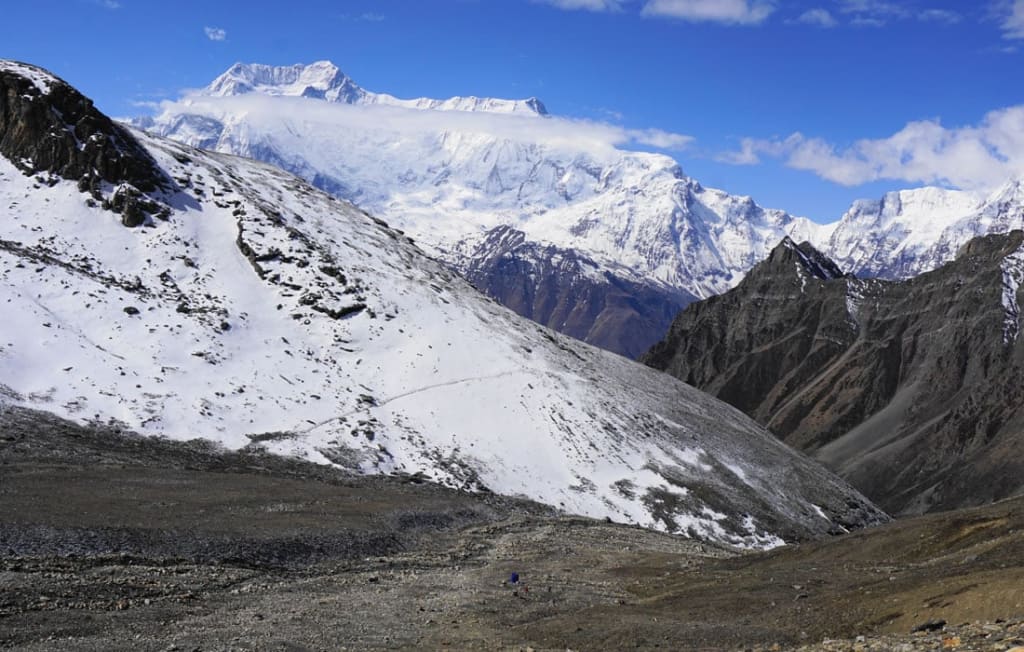
Nepal is home to countless Himalayan peaks that offer a once-in-a-lifetime climbing experience, and among them, Chulu East Peak and Chulu West Peak stand out as two of the most popular trekking peaks in the Annapurna region. Both are above 6,000 meters, both offer incredible views, and both can be combined with classic treks like the Annapurna Circuit. But they are also quite different in terms of difficulty, logistics, and climbing experience.
Overview of Chulu Peaks
The Chulu peaks are part of the larger Damodar Himal range in north-central Nepal. These peaks rise prominently above the Annapurna and Manang valleys. They are often divided into:
• Chulu East (6,584 m / 21,601 ft)
• Chulu West (6,419 m / 21,055 ft)
• Chulu Far East (6,059 m / 19,880 ft) — often considered the most accessible of the three
Chulu East and West are both classified as "trekking peaks" by the Nepal Mountaineering Association (NMA), but make no mistake: these are serious climbs that demand preparation, stamina, and mountaineering skills.
Chulu East Peak: An Overview
Elevation: 6,584 meters
Difficulty Level: Moderate to strenuous
Best For: Fit trekkers looking for a first high-altitude climbing experience with moderate technical sections
Route Starting Point: Chame or Pisang on the Annapurna Circuit
Highlights:
• Requires glacier travel and rope work in the final summit push
• Offers panoramic views of Annapurna II, III, IV, Gangapurna, Tilicho Peak, and the Tibetan Plateau
• Usually climbed in 18–21 days as part of a circuit trek
Climbing Experience:
Chulu East is often seen as a good entry into high-altitude Himalayan climbing. While not overly technical, the summit day involves steep snow slopes (up to 40–45 degrees), crevasse navigation, and the use of crampons, ice axe, and fixed rope systems. Prior experience with alpine equipment is recommended.
Logistics:
The base camp and high camp are accessible within a few days’ trek from the Annapurna Circuit trail. The climb is often combined with acclimatization stops in Manang or Ice Lake.
Chulu West Peak: An Overview
Elevation: 6,419 meters
Difficulty Level: Strenuous and more remote
Best For: Experienced trekkers and climbers looking for a remote, challenging ascent with minimal crowds
Route Starting Point: Ledar or Yak Kharka on the Annapurna Circuit
Highlights:
• Longer approach and less-traveled route
• Views of Dhaulagiri, Nilgiri, Manaslu, and the Annapurna range
• Requires glacier navigation and long summit day
Climbing Experience:
Chulu West is often described as more physically demanding than Chulu East due to its remoteness, longer summit push, and route-finding challenges. The climb also includes glacier crossing, fixed ropes, and exposed ridgelines. It’s better suited for those with previous climbing experience at similar altitudes.
Logistics:
Reaching the Chulu West base camp requires detours from the main Annapurna Circuit, often through Yak Kharka or a separate approach valley. The route is less popular, meaning fewer crowds but also fewer facilities.
Key Differences: Chulu East vs Chulu West
Feature Chulu East Peak Chulu West Peak
Altitude 6,584 m 6,419 m
Technicality Moderate Strenuous
Popularity More popular Less trafficked
Views Annapurna massif, Manang Valley, Tibet Dhaulagiri, Nilgiri, Annapurna range
Access Easier from Annapurna Circuit trail Requires remote approach
Summit Day Shorter but steeper Longer and more demanding
Best For Fit beginners to intermediate climbers Experienced trekkers/climbers
Permit NMA Group B NMA Group B
Guide Required Yes (as per NTB regulations) Yes
Which One Should You Climb?
Choose Chulu East If:
• You are a first-time or intermediate climber with good fitness
• You want a semi-technical peak without extreme difficulty
• You prefer a well-trodden route with access to nearby facilities
• You are combining your climb with the Annapurna Circuit trek
• You want slightly better chances of success due to shorter summit days
Choose Chulu West If:
• You have prior experience with 6,000-meter or glaciated peaks
• You are seeking a more remote and less commercial experience
• You enjoy physical challenges and navigating longer summit days
• You are prepared for self-sufficiency and fewer lodges
• You want a quieter climb off the main trekking trails
Best Time to Climb Both Peaks
The ideal seasons for climbing Chulu East and Chulu West are:
• Spring (March to May): Stable weather, less snow on the trails, warmer temperatures
• Autumn (September to November): Clear skies, dry conditions, colder nights but excellent views
Note: Winter climbs are rare due to heavy snow and harsh weather, while summer (monsoon) conditions are dangerous and not recommended.
Permit Requirements
For both Chulu East and West, climbers need:
1. Climbing Permit from Nepal Mountaineering Association (NMA)
o Group B Trekking Peak
o Cost varies depending on the season (typically around $250–400 per person)
2. Annapurna Conservation Area Permit (ACAP)
o NPR 3,000 (~$25 USD)
3. TIMS Card
o NPR 2,000 for independent trekkers
o NPR 1,000 with an agency or guide
You must also climb with a licensed guide and register your itinerary with the appropriate authorities.
Physical and Technical Preparation
To climb either peak, trekkers should prepare physically and mentally. A solid training plan should begin 6–8 weeks before your expedition and include:
• Cardiovascular training: hiking, running, cycling
• Strength training: legs, core, and upper body
• Altitude training (if possible): hiking at elevation or simulated environments
• Technical training: using crampons, ice axe, harness, and rope systems
Conclusion
Both Chulu East and Chulu West offer unforgettable Himalayan adventures with high-altitude challenges and stunning alpine views. Your decision should depend on your climbing experience, fitness level, logistical preference, and desire for remoteness or accessibility.
• Go for Chulu East if you’re looking for a slightly easier, more supported climb.
• Opt for Chulu West if you crave isolation, adventure, and already have mountaineering experience.
Whichever you choose, climbing in the Annapurna region will be a powerful journey through some of Nepal’s most breathtaking terrain.
About the Creator
Anya Gurung
I am a traveller/explorer
Keep reading
More stories from Anya Gurung and writers in Earth and other communities.
Conquering Chulu East Peak: A Complete Guide for Adventurous Trekkers
Nepal is home to some of the most awe-inspiring trekking destinations in the world. While the mighty Everest and the iconic Annapurna often steal the spotlight, there are lesser known but equally rewarding peaks for those seeking a more unique mountaineering experience. One such destination is Chulu East Peak. Standing tall at an elevation of 6,584 meters, Chulu East is part of the Damodar Himal range in the Annapurna region and offers an excellent blend of trekking and climbing adventure.
By Anya Gurung8 months ago in Earth
Denmark Bristles at Idea of Giving Up Any Sovereignty in Greenland
Greenland has once again found itself at the center of international attention. The vast Arctic territory, rich in minerals and strategically located, is more than just a dot on the map — it’s a symbol of sovereignty, self-determination, and geopolitical significance. Recently, comments from the United States suggesting closer access to Greenland sparked strong reactions from Denmark, which firmly stated that it will not give up any sovereignty over the island.
By Muhammad Hassanabout 14 hours ago in Earth
Severe Geomagnetic Storm Could Bring Northern Lights Across Much of the U.S.
On Monday evening, skywatchers from the Pacific Northwest to the Midwest got ready for something out of the ordinary: a celestial display that typically occurs at high northern latitudes. Americans who provide forecasts as a powerful cloud of charged particles from the sun accelerates toward the Earth's magnetic field, the National Oceanic and Atmospheric Administration (NOAA) has issued a "G4 (Severe) geomagnetic storm watch."
By Raviha Imran4 days ago in Earth



Comments
There are no comments for this story
Be the first to respond and start the conversation.