
Denmark Bristles at Idea of Giving Up Any Sovereignty in Greenland
Why Copenhagen and Nuuk Are United in Rejecting External Control — and What It Means for Arctic Politics

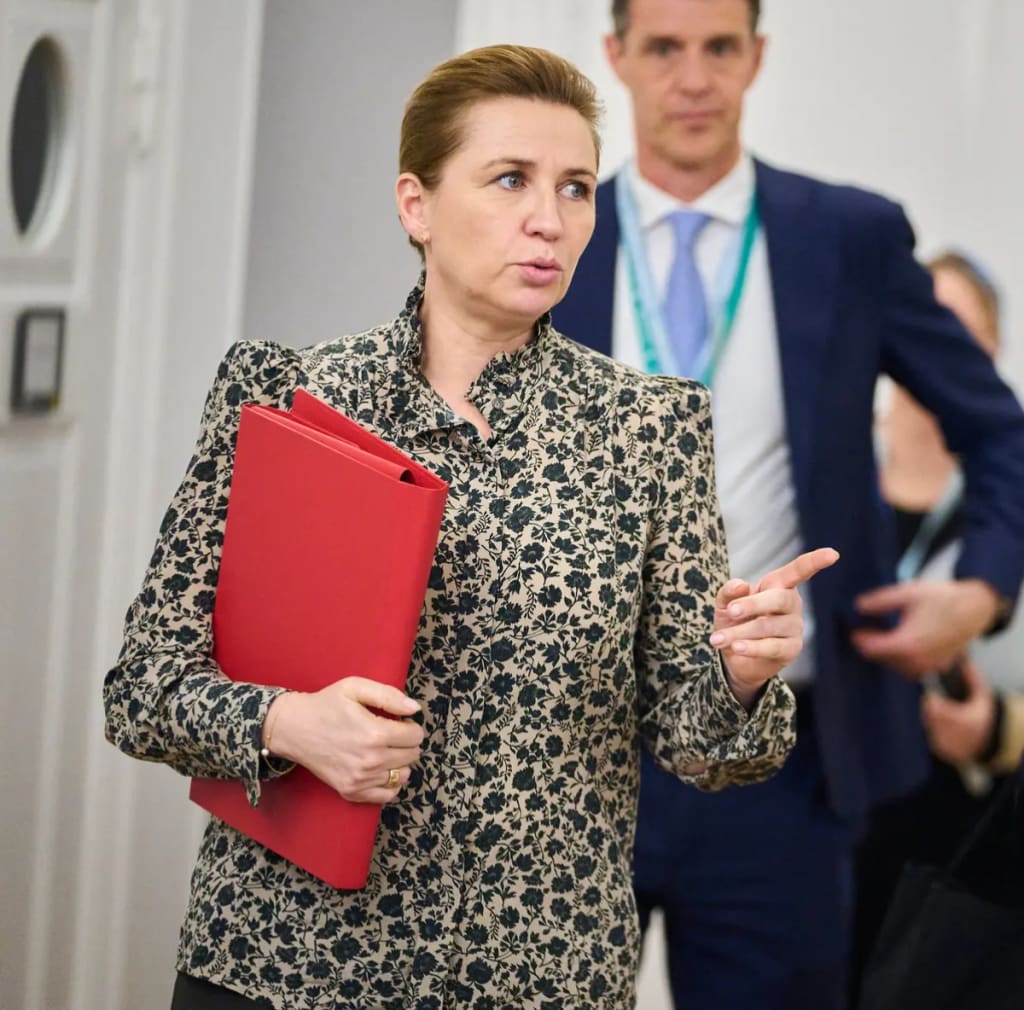
Greenland has once again found itself at the center of international attention. The vast Arctic territory, rich in minerals and strategically located, is more than just a dot on the map — it’s a symbol of sovereignty, self-determination, and geopolitical significance. Recently, comments from the United States suggesting closer access to Greenland sparked strong reactions from Denmark, which firmly stated that it will not give up any sovereignty over the island.
According to Danish leaders, sovereignty is non-negotiable, and Greenland’s future decisions must remain in the hands of its people and the Danish government. This stance comes as the Arctic’s strategic importance grows amid climate change, emerging shipping routes, and untapped natural resources.
What Sparked the Debate
The recent controversy began when U.S. President Donald Trump suggested that the United States could seek expanded or “total” access to Greenland, potentially for strategic military purposes or under NATO frameworks. While the President later clarified that he was not talking about outright ownership, the comments alarmed Copenhagen and Nuuk alike.
Danish Prime Minister Mette Frederiksen and Greenlandic Prime Minister Jens‑Frederik Nielsen both responded quickly, emphasizing that Greenland’s sovereignty is inviolable and that any future arrangements would need approval from both Denmark and Greenland. Frederiksen said, “While we welcome constructive dialogue with our allies, Greenland’s sovereignty is not for sale.”
This pushback illustrates the tension between strategic interests of global powers and the principle of territorial integrity, a cornerstone of international law.
Why Sovereignty Is So Important
Greenland is not just strategically important; it has a unique political and cultural identity. While part of the Kingdom of Denmark, Greenland enjoys significant autonomy, controlling domestic matters such as education, healthcare, and natural resource management. Denmark handles foreign policy and defense, creating a balance that respects Greenlandic self-rule.
For Denmark, maintaining sovereignty is both a legal obligation and a matter of principle. Giving up any degree of control could set a dangerous precedent, undermining decades of political evolution and Greenland’s autonomy. Inman Grant’s recent remarks on social media safety may not relate directly, but the principle is similar: compliance and responsibility cannot be optional.
The Greenlandic Perspective
Greenland itself plays a central role in these debates. Its leaders have been clear that the island’s future — whether that involves independence, closer international partnerships, or security cooperation — must involve Greenland’s own political institutions.
While some Greenlanders support greater economic development and international collaboration, they insist that decisions must be legitimately made by Greenland’s elected representatives. Any external proposals, particularly those involving sovereignty, are firmly off the table unless Greenland consents.
This insistence reflects the island’s long journey toward self-determination. From home rule in 1979 to expanded self-government in later decades, Greenland has gradually gained political and administrative independence, making sovereignty a deeply ingrained value.
Geopolitical Stakes in the Arctic
Greenland’s location makes it a critical piece in the global Arctic puzzle. As climate change opens new shipping lanes and exposes untapped mineral and energy resources, countries like the United States, Russia, and China have taken an increasing interest in the region.
For the U.S., Greenland is key for military strategy and surveillance in the high north. Yet Denmark has made it clear that strategic partnerships do not equate to transferring sovereignty. Collaboration can occur, but political control remains firmly with Denmark and Greenland.
European allies have also expressed support for Denmark’s position, emphasizing that Greenland’s future should be determined by its own people, not foreign powers. This unified stance reinforces international norms and strengthens Copenhagen’s negotiating position.
Historical Context
Understanding Greenland’s history explains why sovereignty is such a sensitive issue. Once administered directly by Denmark, Greenland gained home rule in 1979, allowing it significant domestic autonomy. Over the following decades, self-government expanded, creating a semi-autonomous territory with its own parliament and unique cultural identity.
This history is why both Denmark and Greenland resist any notion of external control. Sovereignty is not just a legal concept; it represents decades of political progress and the right of Greenlanders to determine their own path.
Challenges Ahead
Despite Denmark’s firm stance, challenges remain. As Arctic geopolitics evolve, pressure from global powers for access or cooperation may increase. Balancing strategic interests, environmental concerns, and Greenlandic self-determination will require diplomacy, patience, and clear communication.
Moreover, domestic debates in Greenland and Denmark will continue. Economic opportunities, climate change impacts, and security concerns all factor into the discussion. Leaders must ensure that any decisions reflect the will of the people, not just international pressures.
Why This Matters
Greenland is more than a remote island; it is a symbol of sovereignty, democracy, and strategic importance. Denmark’s refusal to cede control underscores the principle that territorial integrity is not negotiable, even when global powers express interest.
The situation also offers lessons for the international community: respect for local governance, historical context, and legal frameworks is essential when discussing territories with strategic value.
As global attention on the Arctic grows, Denmark and Greenland’s firm stance serves as a reminder that sovereignty, identity, and local decision-making must come first.
Final Thoughts
Denmark’s declaration that it will not give up sovereignty in Greenland is more than a political statement — it is a commitment to the island’s people, history, and future. Amid increasing international interest in the Arctic, Copenhagen and Nuuk have made it clear: Greenland’s destiny will be decided by its own citizens and government, not by external powers.
As climate change, resource exploration, and military strategy bring new attention to Greenland, Denmark’s unwavering stance reinforces the importance of respecting sovereignty while navigating complex global dynamics. In a world of competing interests, Greenland remains firmly in the hands of those who live there.
About the Creator
Muhammad Hassan
Muhammad Hassan | Content writer with 2 years of experience crafting engaging articles on world news, current affairs, and trending topics. I simplify complex stories to keep readers informed and connected.
Keep reading
More stories from Muhammad Hassan and writers in Earth and other communities.
Social Media Firms Have Come to Ban 'Kicking and Screaming', Says Australia eSafety Boss
Social media has become an inescapable part of modern life, shaping the way billions of people communicate, consume information, and form opinions. But with its growth, questions about safety, moderation, and accountability have intensified. Recently, Australia’s eSafety Commissioner, Julie Inman Grant, made headlines for her remarks on how social media companies are finally starting to take meaningful action — albeit reluctantly. According to Inman Grant, these platforms “have come to ban kicking and screaming,” signaling a shift in how tech giants approach user safety.
By Muhammad Hassanabout 12 hours ago in Earth
Northern Lights May Be Visible in 10 States Jan. 20 as Earth’s Magnetic Field “Rings Like a Bell” After CME Impact
What Happened: A Massive CME Hit Earth On Jan. 19, 2026, a powerful CME associated with a major X1.9-class solar flare erupted from the sun and traveled the approximately 93 million miles to Earth in around 25 hours — much faster than most such events. When it reached Earth’s magnetic field at about 2:38 p.m. EST, it triggered a severe geomagnetic storm, classified as G4 on NOAA’s geomagnetic storm scale.
By Hamd Ullah3 days ago in Earth
FPS: Roots and Branches Challenge Winners
The FPS: Roots and Branches Challenge has wrapped up, and gaming enthusiasts around the world are celebrating the winners of this exciting and competitive event. From showcasing incredible skill to creative problem-solving, participants pushed their limits, making the challenge a true testament to the evolving world of first-person shooter (FPS) games.
By Aarif Lashari4 days ago in Earth



Comments
There are no comments for this story
Be the first to respond and start the conversation.