
BEES Being Extremely Essential for the ecoSystem
Nature
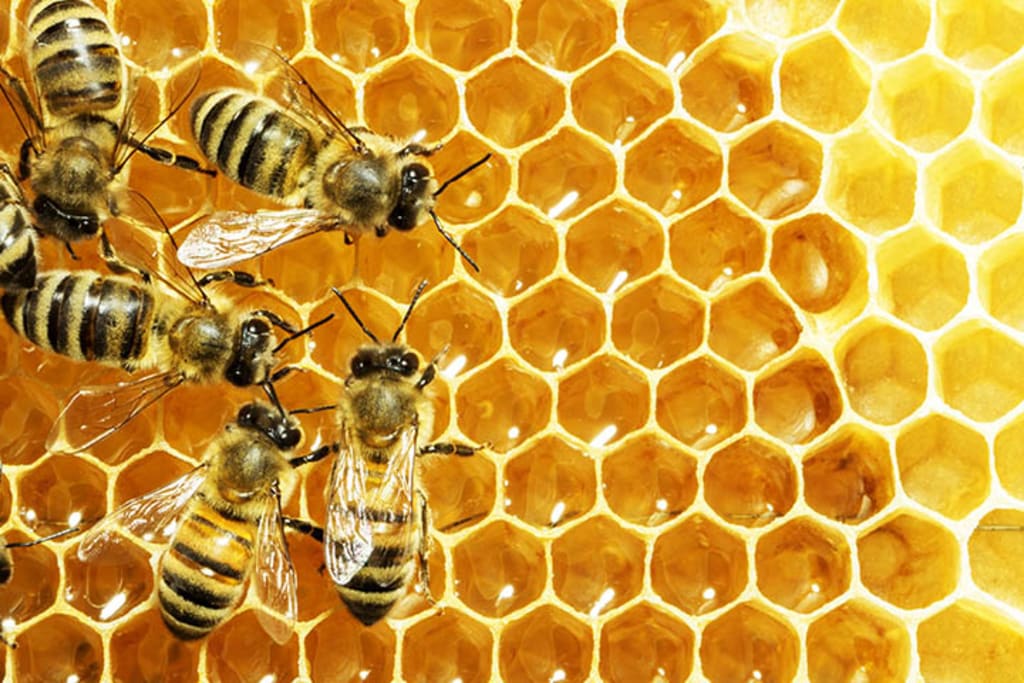
Bees are small, but they play a huge role in maintaining the ecosystem. They are responsible for pollinating approximately 75% of the world's crops, including fruits, vegetables, and nuts. Bees also pollinate flowers that provide food and habitats for other wildlife, making them an essential part of the natural environment. The relevance of bees for the ecosystem is therefore undeniable.
Pollination is the process by which plants transfer pollen from the male reproductive organs to the female reproductive organs, leading to the formation of seeds and fruits. Bees play a crucial role in this process by transferring pollen from one flower to another as they collect nectar for their hives. As bees visit flowers, they pick up pollen on their bodies, and when they land on another flower, the pollen rubs off onto the flower's stigma, fertilizing it.
Without bees, many plant species would struggle to reproduce, leading to a decrease in the food available for other animals. Pollination is also essential for the genetic diversity of plant populations. As bees pollinate plants, they help to create new combinations of genetic traits that may lead to new and more robust varieties of crops. This genetic diversity is essential for the resilience of crops to diseases and pests and helps to ensure food security for the future.
In addition to their role in pollination, bees also provide other benefits to the ecosystem. They play a critical role in the food chain, providing a food source for birds, small mammals, and other insects. Honeybees, for example, produce honey, which is a food source for humans and other animals.
Bees also play a vital role in maintaining the health of ecosystems. They help to maintain the balance between predator and prey species by pollinating the flowers that provide habitats and food for predators. Without bees, these predator populations could decline, leading to an increase in other species that could upset the ecological balance.
Despite their importance, bees face many challenges, including habitat loss, pesticide exposure, and climate change. Habitat loss is a significant threat to bees, as it limits the availability of food and nesting sites. Pesticides, such as neonicotinoids, have also been shown to harm bees by affecting their navigation and memory, making it harder for them to find food and return to their hives. Climate change has also been shown to affect bee populations by changing the timing of flower blooming, which can lead to mismatches between pollinators and the plants they pollinate.
The populations of bees have been declining in many parts of the world over the last few decades. Here are some data points about bee populations:
According to the Food and Agriculture Organization (FAO), approximately 20,000 species of bees exist globally, and many of them are vital pollinators for crops and wildflowers.
In the United States, the honeybee population has declined by approximately 60% since the 1940s, according to the US Department of Agriculture.
In Europe, a study published in the journal Science found that wild bee populations declined by 16% between the 1980s and 2010.
A report by the Intergovernmental Science-Policy Platform on Biodiversity and Ecosystem Services (IPBES) found that up to 40% of the world's pollinator species, including bees, face extinction.
In China, the overuse of pesticides and loss of natural habitats have led to a decline in bee populations. According to a study published in the journal Biological Conservation, over 50% of the bee species in China have decreased in abundance or distribution.
In Australia, the introduction of Varroa mite, a parasitic mite that feeds on bees, could have devastating effects on the already declining bee populations.
In South America, the population of the rusty patched bumblebee, a once-common species, has declined by 87% over the last two decades, according to a study by the International Union for Conservation of Nature (IUCN).
These data points highlight the urgent need to protect and conserve bee populations globally. Without bees, the pollination of crops and the health of the ecosystem would be severely impacted.
To protect bees and ensure their continued contribution to the ecosystem, it is essential to take action. This can include planting pollinator-friendly plants, reducing pesticide use, preserving natural habitats, and supporting research into the threats facing bee populations. By taking these steps, we can help to protect bees and ensure their continued importance to the ecosystem.
In conclusion, bees are essential for maintaining the ecosystem's health, playing a crucial role in pollination, food chains, and the genetic diversity of plant populations. Despite facing many challenges, we must take steps to protect bees and ensure their continued importance for future generations.
About the Creator
Keep reading
More stories from Neusa Moreno and writers in Earth and other communities.
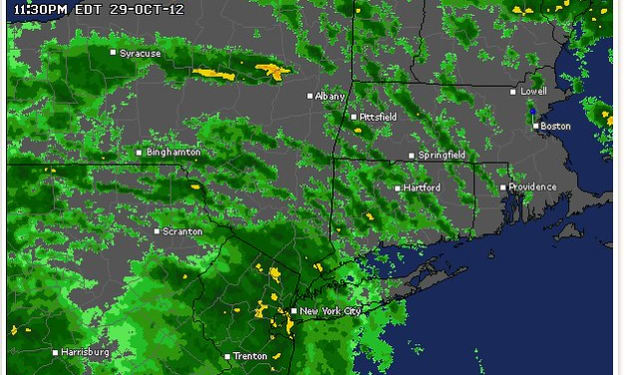
The Human Side of the Storm: How Weather Radar Changed the Way I See the Sky
When I was a kid, watching the local meteorologist felt like watching a magician. The radar behind them—a swirl of greens, yellows, and reds—was an enchantment. They’d point, circle, and predict where the storm would move, and somehow, they were always close enough to right. I didn’t know it then, but I was watching the visible language of data before I ever knew what data was. The radar was our oracle, and every flash of color meant something invisible but immediate: wind, rain, and risk.
By Trend Vantageabout 18 hours ago in Earth
Saudi Arabia Flour Market Size and Forecast 2025–2033
The Saudi Arabia Flour Market is undergoing a significant transformation, supported by population growth, urbanization, dietary changes, and government initiatives to strengthen food security. According to Renub Research, the market is expected to grow from US$ 2.01 billion in 2024 to US$ 3.03 billion by 2033, registering a compound annual growth rate (CAGR) of 4.66% from 2025 to 2033.
By Sushant. Renub Researcha day ago in Earth
Five—One Grounding
Five—Locked in a perpetual battle against my failing senses and reason, I fight to survive, to get through; I am afraid of... nothingandeverythingallatonce—...—my mouth is dry, and my muscles seize up... what can I see? I can see the birdcage and birds; I can see the watercolour my beautiful wife painted many years ago and unlocked her journey into art; I can see the empty mug of tea as it sits perilously on the arm of the sofa; how many is that now? Three down, two to go; I can also see a jackdaw on the roof of our neighbour's house across the road and a bookcase of potential—Five things you can see.
By Paul Stewart6 days ago in Poets



Comments
There are no comments for this story
Be the first to respond and start the conversation.