
Backpacking Camping Essentials: What Experienced Hikers Won’t Tell You
(2025 Guide)

Backpacking camping essentials go beyond just having the right gear — they reflect a delicate balance between weight and functionality. Expert hikers carry tents like the Big Agnes Copper Spur HV-UL3 that weigh just 1.76 kg for three-season backpacking. Yet they rarely talk about their years of trial and error that led to perfectly optimized packs.
The gear that professionals pick serves multiple purposes, and with good reason too. The Sea to Summit X-Pot kettle collapses for easy packing, while Thermarest NeoAir XLite sleeping pads weigh only 340g and pack down to a water bottle’s size. These breakthroughs are impressive, but finding your comfort zone needs more than ultralight equipment. Even the best Rab down sleeping bags, with their superior warmth-to-weight ratios and protection at -12°C, can’t make up for poor planning or inexperience.
Our approach to backpacking essentials has evolved over the last several years, and in this piece, we’ll reveal what those Instagram-perfect hiking photos don’t show. Water purification systems that clean a liter in 90 seconds and the ground reasons behind experienced hikers’ gear choices tell the real story of what matters miles away from civilization.
Shelter & Sleep System
- Backpack (50–70L, properly fitted)
- Tent (lightweight, weather-appropriate)
- Sleeping bag (rated for expected temperatures)
- Sleeping pad (insulated for cold weather)
- Tent footprint or groundsheet (optional)
The Hard Truths About Backpacking Camping
Those picture-perfect backpacking photos all over your social media feed? They don’t show the discomfort, expense, and reality that seasoned hikers rarely share. Let me show you what really happens when people stop taking photos.
Why it’s not always Instagram-perfect
Backpackers often call their adventures “Type II” fun — you feel miserable while doing it but find it rewarding later. That stunning mountain vista doesn’t reveal the hiker’s sweat-soaked clothes or their feet covered in blisters.
Every flawless camping photo has a less glamorous side to it. My first backpacking trip in the Great Smoky Mountains taught me some hard truths: things go wrong easily, poor preparation makes everything worse, and obvious risks like rain can make you miss the less obvious ones, like a leaking water bladder. In spite of that, these challenges become stories we love to tell later.
Social media leaves out the uncomfortable parts:
Nights in a damp sleeping bag because you didn’t pack waterproof bags
Food poisoning during remote trips with no bathrooms nearby
Wild temperature swings that leave you either drenched in sweat or freezing all night
Setting up your tent in pouring rain while trying not to make mistakes
On top of that, new hikers get a rude awakening about physical demands. The first two days on the Appalachian Trail give almost every hiker knee, ankle, or foot problems. People who jump from their couch straight to the trail without training look completely worn out before they even really start.
Even with solid planning, outside factors can change everything. Bad weather, tough terrain, or surprise wildlife encounters can turn your “Instagram-worthy” trip into a test of what you’re made of. These challenges ended up creating real experiences that make backpacking worth it.
Hydration
- Water bottles or hydration bladder (2–3L capacity)
- Water filter/purification (pump, squeeze, or tablets)
- Electrolyte tablets (optional)
The real cost of lightweight gear
The price tags on quality backpacking gear give many people sticker shock. When friends ask about getting started, I tell them to set aside $300 to $1000, depending on gear quality and how often they want to fix or replace things.
Ultralight enthusiasts usually spend even more. The ultralight philosophy says, “Carry less,” but premium materials cost a lot. Dyneema, which many ultralight tents use, costs four to six times more than regular silnylon. High-fill-power down sleeping bags give you amazing warmth for their weight but can cost $600, which explains why many backpackers use quilts instead.
Premium materials cost more, and with good reason too. Quality sleeping gear, shelter, and a backpack are the foundations of a safe, relaxed experience. The question isn’t whether to spend money, but where and how much.
You can cut costs without risking safety. Borrow gear from friends, to name just one example. This helps you figure out what works best. Buy during sales to save big on premium brands. Start with what you have and slowly upgrade to lighter, specialized gear.
The used gear market gives budget-conscious backpackers great options. Many enthusiasts always want the latest breakthroughs, so barely used gear shows up at big discounts.
Note that backpacking gear involves trade-offs — you’ll weigh comfort against weight. The lightest stuff usually costs more and might not last as long or feel as comfortable. A tent under two pounds might save your back but will definitely hurt your wallet.
The original investment might look huge, but quality backpacking gear lasts for years if you take care of it. Once you have your gear, backpacking itself costs almost nothing — giving you nearly free adventures after buying everything.
Common Mistakes Beginners Make
Learning backpacking teaches you through mistakes — some uncomfortable, some dangerous ones. I’ve guided hundreds of new hikers and seen the same errors turn amazing adventures into disappointments.
Navigation & Safety
- Map (waterproof or in a case)
- Compass (and knowledge of how to use it)
- GPS device or smartphone with offline maps
- Headlamp (+ extra batteries)
- Whistle & signal mirror (emergency use)
- First-aid kit (blister care, pain meds, bandages)
- Multi-tool or pocket knife
- Emergency blanket/shelter
Overpacking unnecessary items
New backpackers often fall victim to “fear packing.” That 35-pound pack for a three-day trip? You don’t need it, but I see it all the time. Extra weight doesn’t just tire you out — it turns beautiful trails into exhausting marches. Each of those 2,200 steps per mile becomes a challenge.
What beginners typically overpack:
Excessive clothing — You only need two sets: one to hike in and one to sleep in, whatever the trip length.
Too much food — Beginners often pack heavy canned goods instead of dehydrated options.
Luxury items — Camp chairs, large flashlights, and extra cooking gear add unnecessary weight.
Redundant gear — Multiple tools that do the same job
Oversized first aid kits — These are vital but often include items like SAM splints or ice packs you’ll rarely use.
“The Big” 3” — your shelter, backpack, and sleeping bag — give you the best chance to save weight. Modern lightweight versions weigh just over 4 pounds together. Budget alternatives can weigh more than 12 pounds.
Missing essential items creates the opposite problem. Even ultralight hikers pack critical gear like rain protection, proper insulation layers, and, yes, toilet paper. I met a hiker who packed snack cakes but forgot toilet paper after resupplying. He used leaves instead — not something anyone would choose freely.
Ignoring campsite regulations
Campsite rules exist, and with good reason too — they protect both safety and the environment. Yet new hikers often skip these rules and create problems for everyone.
Most national parks and wilderness areas need permits and have specific camping spots. Federal regulations ban camping within 25 feet of roads or 100 feet of water sources unless marked otherwise. Quiet hours run from 10 p.m. to 6 a.m., and breaking these rules might get you kicked out.
Food storage rules change by location but become vital in bear country. Rules often say food must stay sealed in vehicles or hard-sided camping units or hang at least 10 feet above ground and 4 feet from tree trunks or other objects.
Leaving camping gear, changing sites, or building permanent structures breaks rules in most protected areas. These limits protect nature and keep the wilderness experience intact for future visitors.
Underestimating weather changes
“Hope for the best, prepare for the worst” isn’t just clever words — it’s basic backpacking wisdom. Mountain weather changes faster than you’d expect. Temperatures can swing more than 50 degrees in one day.
Poor weather research leads to miserable trips or dangerous situations. You should check forecasts before leaving and ask local ranger stations about current conditions. Forecasts have limits, though, especially for trips longer than five days.
Experienced hikers carry rain jackets, warm layers, hats, and gloves on every trip — even with sunny forecasts. On longer trips, I expect average conditions but prepare for extreme weather. This usually means two weeks of harsh conditions during a three-month thru-hike.
Rain makes choosing elevated campsites with good drainage important. Stay away from low spots where water collects, and avoid camping under dead trees that might fall in strong winds. Knowing to avoid exposed ridges during thunderstorms could save your life.
These challenges aren’t setbacks — they’re part of real backpacking. The unexpected nature of wilderness trips ended up creating the best stories to tell later, as long as you’re ready when things go wrong.
Camping Gear for Backpacking: What Matters Most
The perfect backpacking gear setup doesn’t exist. That’s the truth I’ve learned from my time on trails. Your personal needs and conditions should guide your choices more than trends or someone else’s success stories.
Choosing gear that fits your hiking style
Brand names and popularity don’t matter as much as finding what works for you. The “backpacker’s trifecta” — cost” vs. weight vs. comfort — will shape your ideal gear setup.
Ultralight gear costs more and might mean leaving some comfort items behind. A focus on comfort means carrying more weight. My own experience taught me this. I bought gear based on reviews at first, then switched to lighter options as I learned more. This meant replacing much of my original equipment.
Your hiking environment shapes what you need. Light gear works fine for mild summer weather. Rough conditions demand tough, weather-resistant equipment. Trip length matters too — weekend hikes need different gear than multi-week adventures.
Before buying anything, ask yourself, “Where will I use this most of the time?” This simple question helps avoid buying specialized gear you’ll rarely need.
These categories matter most:
Shelter: Tents give you the best mix of protection and space; two-person models suit solo hikers or pairs.
Sleep System: Your sleeping bag needs a good pad — check the insulation (R-value) for your expected temperatures.
Backpack: Start with standard packs until your gear gets lighter; most hikers need internal-frame packs with padded, adjustable hipbelts.
Footwear: This choice varies by person — some love light trail runners while others need sturdy boots.
When to invest and when to save
Some gear deserves more money because it affects your safety, comfort, and overall experience. Not everything needs top dollar, though.
The “Big” Four” — shelter, sleeping bag, sleeping pad, and backpack — are great ways to cut weight and boost comfort. Good sleep matters, especially during tough hikes.
Quality rain gear becomes crucial in wet conditions. Frequent rain hikers should buy jackets with excellent breathability and waterproofing. Simple shells work for occasional rain, but regular storm-hikers need better protection.
You can save money on several items without risking safety:
Clothing: Regular athletic wear often works as well as fancy hiking clothes.
Trekking poles: Aluminum poles weigh just a bit more than carbon but cost half as much.
Headlamps: Brands like Nitecore match premium features at lower prices.
Water treatment: Simple purification drops (USD 15) work as well as pricey filters (USD 45–60).
Smart shopping timing saves money. Look for sales in late March (REI member events), late May (anniversary sales), August/September (Labor Day), and November (most outdoor deals).
Quality gear lasts several seasons with proper care, making the cost per use reasonable. Remember: “Buy once, cry” once” — spending more now often prevents costly replacements later.
Hidden Hacks Experienced Hikers Swear By
My years on the trail have taught me that you won’t find the best backpacking tips in gear catalogs. Real wisdom comes from hands-on trail experience that can revolutionize your outdoor adventures without breaking the bank.
Multi-use items that save space
Smart backpackers know that items serving multiple functions help cut down pack weight significantly. The humble bandana stands out as the ultimate multi-purpose camping essential. This simple square of fabric works as a towel, potholder, water filter, face covering in dust storms, and backup toilet paper. A fellow hiker I met on the Pacific Crest Trail put his bandana to eight different uses in just one day.
Dental floss shows how perfect a dual-purpose item can be. Beyond keeping your teeth clean, it works as super-strong thread to fix gear in emergencies. Regular thread just doesn’t match up — floss stays water-resistant and tough enough to repair torn gear or clothes.
Your cooking pot deserves a special mention. It’s not just for cooking — you can use it as a bowl, cup, washing container, and even scoop water from shallow spots. Many seasoned hikers skip separate dishes and eat straight from their pot.
Fanny packs have bounced back big time among backpackers. They might look like classic dad gear, but they keep your stuff right where you need it while hiking. This cuts down on stops and takes some weight off your shoulders. Take the Mountainsmith Trippin’ Fanny Pack with its 5-liter space — some hikers use it instead of a daypack for quick trips.
Here are more clever multi-purpose items:
Snow stakes work great for digging catholes (saving $14 versus titanium trowels).
Smartphones replace cameras, GPS units, audiobook players, and trail guides.
Buffs work as beanies, balaclavas, ear warmers, or sweatbands.
Simple tricks for better sleep outdoors
Getting good sleep remains the biggest challenge for many backpackers. Trail veterans have figured out lots of ways to rest better outdoors. Here’s a surprising favorite — special sleeping socks. Keep these clean, dry socks just for sleeping, and you’ll feel amazing. They help keep your body temperature right when it’s cold too.
What you do before bed really matters for sleep quality. Scientists have found that your first night anywhere new usually gives you the worst sleep. They call this “the first night effect.” You can fight this by sticking to your normal bedtime routine even in the wild — brush teeth, change clothes, and hit the sack at your usual time.
Managing temperature can make or break your wilderness sleep. Cold nights call for a fatty dinner before bed. This creates body heat that lasts for hours. One hiker told me about “waking up in a sweat on freezing nights after loading up on mac and cheese.” You can also slip a sealed water bottle filled with hot water into your sleeping bag’s foot area for natural warmth.
These sleep-boosting tricks really help too:
Proper pad inflation — Side sleepers should try partial inflation. This lets your hips sink just enough for good alignment.
Pillow alternatives — Your sleeping bag stuff sack makes a great pillow when filled with clean clothes.
Silence and darkness — Light earplugs and eye masks barely weigh anything but make a huge difference by blocking outside noise and light.
Campsite selection — Look for spots with natural wind protection. Stay away from exposed ridges or valley bottoms where cold air collects.
Some comfort items earn their pack space. A light inflatable pillow weighing just 2–3 ounces can totally change how you sleep — especially those with center dips that cradle your head.
Smart choices in multi-use gear and these sleep strategies help you do more than just survive outdoors. You’ll thrive without lugging around unnecessary weight.
The Mental Game of Backpacking Camping
Mental strength outweighs physical readiness in backpacking, though people rarely talk about this essential aspect of camping. In fact, seasoned hikers call backpacking “90% mental” after you develop simple fitness and understand your gear.
Dealing with discomfort and setbacks
Social media paints a different picture, but discomfort comes with backpacking. Hikers talk about physical pain so intense that “it made my chest constrict.” You’ll face blisters, infections, joint pain, and harsh weather — what hikers call “Type 2 Fun.” These moments feel awful while they last but become rewarding memories later.
Your first mental breakthrough happens when you accept discomfort as part of the process. One veteran backpacker puts it this way: “A degree of discomfort is normal for thru-hikers because the task is a physically challenging one.” This mindset helps you handle challenges better.
These mental strategies work well during tough times:
Compartmentalize the pain — Describe the discomfort to yourself instead of letting it take over.
Adopt the “it’s the new normal” mindset — accept your temporary reality to change your point of view.
Never quit on a bad day — rest and recover before you decide to end your experience.
Postpone major decisions. — Hike a few more days before you choose to give up.
Backpacking builds problem-solving skills naturally because wilderness demands self-reliance. A solo hiker explained, “If something went wrong, I had to figure out a solution without anyone else around.” This mental growth builds confidence that stays with you off the trail.
Staying motivated on tough trails
Long-distance hiking needs a personal “why.” This becomes your anchor when excitement fades and challenges rise. Many strong hikers quit simply because “mentally they’re over it.”
Split your hike into smaller chunks instead of focusing on total distance. “In regard to the mental challenge of doing a long distance, my strategy was not to think about how far I had to go but to break my hike down into chunks.” This stops you from feeling overwhelmed about miles ahead.
Solo hikers face different mental challenges. Solitude might seem scary at first but often becomes valuable. “When I started hiking and backpacking, one of my fears was that I’d feel lonely… But by the time I got to the end of the trail, I realized that was one of the best parts of the experience.”
Support networks help when motivation drops. One hiker completed a tough journey thanks to his wife: “I called my wife and talked through how I was feeling, or rather talked at her, venting all my frustrations.” Know who you’ll call during low moments.
Practicing gratitude improves mental toughness. Research shows that “feeling gratitude releases chemicals that contribute to a sense of well-being and positivity.” Speaking about your good fortune — even just having the chance to take this journey — fights negative thoughts.
Long-distance walking benefits mental health. Studies prove that “long-distance walking was positively related to mental health” and “might be a low-cost intervention to promote mental health.” This therapy involves facing personal struggles and experiencing growth.
Mental preparation weighs nothing but ranks among the most valuable camping gear you’ll ever carry. A seasoned hiker sums it up: “Thru-hiking success is 90 percent mental.”
Comfort vs. Weight: Finding Your Balance
The balance between carrying less and living well outdoors is the most personal part of backpacking. My trips have taught me that finding your sweet spot needs honest self-assessment rather than following someone else’s ultralight rules.
How to prioritize comfort without overloading
Backpacking physics starts with proper weight distribution. Your pack’s center of gravity should be close to your body at shoulder height for maximum stability and comfort. This stops the backward pull that makes hiking tiring. Pack heavier items higher in your backpack on easy trails. For challenging alpine terrain, place weight lower to stay stable.
The golden rule of weight ratios says you should carry between 20–25% of your body weight at most. Extra weight puts too much strain on your shoulders and back. You might get injured and need to cut your adventure short.
I lay out all my planned gear before each trip and sort it into three categories:
Items I always use
Items I occasionally use
Items I rarely use
This makes me justify each piece of gear I bring. Keep in mind that some essentials, like first-aid kits, might rarely see use but stay non-negotiable. Every other item needs to prove its worth against its weight.
Your comfort threshold is unique to you. Some ultralight hikers give up sleeping comfort to save ounces. Others need quality rest to enjoy their trip. Both approaches work — they just show different choices on the weight-comfort scale.
Essential comfort items worth carrying
Some comfort items give you more benefits than their weight suggests. A quality sleeping pad leads this list — new lightweight options give great insulation and cushioning without adding much weight. Clean sleep socks that weigh almost nothing make nights much better.
Bad sleepers should try an inflatable pillow. At 2–3 ounces, models that cradle your head can change how well you rest. Trekking poles pull double duty — they reduce knee strain on descents and hold up your tent.
Light camp footwear like Xero Z-Trail sandals lets your feet breathe after hiking without weighing you down. A small foam sit pad weighs just an ounce but keeps you off cold, wet ground.
Backpacking’s beauty lies in finding what matters to you. Some trail veterans say, “Comfort beats counting ounces, always.” Others feel free with less. The right balance isn’t the same for everyone — it’s yours to find.
You’ll refine your choices with experience. Trail time shows you which items to leave behind and which comfort pieces really make your wilderness time better.
Campsite Etiquette That No One Talks About
Backpacking wisdom goes way beyond picking the right gear and getting your mind ready. My years on the trail have taught me that good manners distinguish experienced hikers from newcomers better than any expensive camping gear.
Respecting nature and fellow campers
The backcountry isn’t just our playground — wildlife calls it home. Watch animals from a safe distance and never feed them. Store your food properly to keep wildlife from getting used to humans, which usually ends badly for them. Animal stress from human noise can force them to abandon their homes and waste precious energy.
Your fellow campers need space too. Say hello to your neighbors, but don’t crowd their experience. Most backpackers want peace and quiet, so keep your campsite out of sight from others. Think of other people’s campsites as their temporary homes. Taking shortcuts through someone else’s camp is one of the worst trail offenses you can make.
Dog owners have extra duties off the top of my head. Keep your pets on a leash except in off-leash areas. Clean up after them right away, and remember that some people might be scared of or allergic to dogs.
Quiet hours and leave-no-trace tips
Sound travels surprisingly far in the wilderness. Campgrounds usually set quiet hours from 10 p.m. to 6 a.m. Good backpackers stay reasonably quiet all day long. A ranger once told me something that stuck: “If people can hear you beyond your campsite, you’re too loud.”
Leave No Trace principles are the foundations of responsible backpacking:
Pack out everything you bring in — including food scraps, fruit peels, and toilet paper.
Dispose of dishwater at least 200 feet from water sources.
Camp on durable surfaces to protect vegetation.
Leave natural objects where they are for others to enjoy.
Use established fire rings to minimize campfire impact.
Proper waste management is vital to backpacking basics. Dig a 6–8 inch deep cathole for human waste at least 200 feet from water, campsites, and trails. Pack out your toilet paper or bury it very deep.
Make each site better than you found it. This simple habit will keep these precious wilderness areas beautiful for future adventurers.
Future Trends: Backpacking Camping in 2025
Backpacking is changing faster than ever. The year 2025 brings remarkable advances that will transform wilderness experiences. These new trends make outdoor adventures more convenient while helping protect the environment.
New tech advances to watch
Smart technology integration in camping gear moves at an incredible pace. Smart jackets now adjust their temperature automatically based on your body heat and surrounding climate — making them perfect for mountain weather’s unpredictable nature. Among other advances, AI-powered navigation tools make backcountry exploration safer by providing immediate environmental feedback and uninterrupted connectivity.
Lightweight materials have changed the industry completely. New materials like Muscovy duck down provide high-quality, budget-friendly insulation, making premium warmth more available. The focus has moved from performance to experience-based gear, creating outdoor activities that work for people of all ages.
Power solutions you can carry have become camping essentials. The BioLite CampStove 2+ burns twigs and turns heat energy into power for its internal battery. This eliminates the need to carry separate fuel canisters while letting you cook outdoors.
Sustainability trends in camping gear
Environmental awareness now leads product development in the outdoor industry. The global hiking gear market will reach $7 billion by 2030. More products feature recycled materials — from tents with 100% recycled yarns to sleeping bags filled with insulation from water bottles.
PFC-free waterproofing marks a major breakthrough. Brands like Patagonia have developed Gore-Tex ePe technology that maintains performance without harmful “forever chemicals.” This groundbreaking solution helps protect water systems and wildlife from PFC damage.
The circular economy has grown substantially, with rental and resale markets booming. Companies now offer refurbished items or work with rental platforms to extend gear lifespan and reduce waste.
Natural materials like flax and hemp replace synthetics in products that traditionally used lots of plastic. These fibers grow with minimal water and no pesticides. They provide biodegradable options that don’t shed microplastics like synthetic gear does.
Conclusion
Backpacking and camping surpass the basic gear lists and pretty Instagram shots. This piece pulls back the curtain on what really matters when you’re miles from civilization. You need time to find your sweet spot between weight and comfort. This balance forms the foundations of enjoyable wilderness experiences. Your backpacking experience will grow through trial and error. Those blisters, wet sleeping bags, and surprise weather changes become the stories you’ll treasure most.
Mental preparation matters more than physical readiness for successful trips. Your motivation during tough conditions often decides if you’ll finish your trek or head back early. Knowing how to deal with discomfort, break long distances into smaller chunks, and keep a positive attitude turns difficult hikes into amazing adventures.
Pick gear that fits your needs rather than copying someone else’s ultralight setup. Many backpackers love ultralight gear, while others want better sleep and comfort items that improve their wilderness experience. Quality backpacking essentials are investments that pay off over countless trips. You can shop here for gear that matches what you need without cutting corners.
The wilderness needs our respect through good manners and environmental care. Leave No Trace principles keep these special areas pristine for future adventurers. It also helps when backpackers stay mindful of others to protect the solitude many seek in backcountry experiences.
State-of-the-art materials, smart technology, and sustainability promise exciting changes for outdoor lovers in 2025. In spite of that, the core joys of backpacking stay the same — escaping daily stress, pushing your limits, and soaking in nature’s raw beauty. These rewards make every blister, cold night, and uphill battle worth it.
About the Creator
Keep reading
More stories from writers in Earth and other communities.
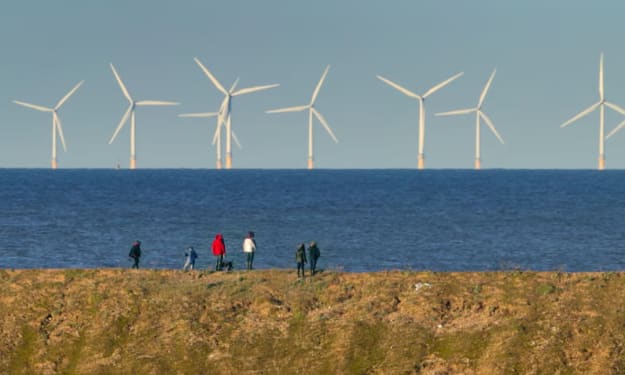
UK Among 10 Countries to Build 100GW Wind Power Grid in North Sea
The United Kingdom has joined forces with nine other European countries to create a massive offshore wind power grid in the North Sea, aiming to generate 100 gigawatts (GW) of renewable electricity. This ambitious initiative, one of the largest international energy projects in recent history, reflects Europe’s growing commitment to sustainable energy and the transition away from fossil fuels.
By Aarif Lashari3 days ago in Earth
Seattle Nightlife Report: Pony
Mid-winter Friday night. Early but already so dark. The days are getting longer but 6 PM is still pitch black. “Firepit!” You declare things after just a few seconds of solemn thought – not a request or suggestion, not a demand. Last week you walked around saying, “Hot tub?” to anyone who would listen. Or one afternoon you pointed at two men holding hands as they crossed 12th Avenue, looked me in the eyes and said, “Boyfriends.”
By Joe Nasta | Seattle foodie poet7 days ago in Wander



Comments
There are no comments for this story
Be the first to respond and start the conversation.