
UK Among 10 Countries to Build 100GW Wind Power Grid in North Sea
Ambitious Renewable Energy Project Aims to Transform Europe’s Energy Landscape
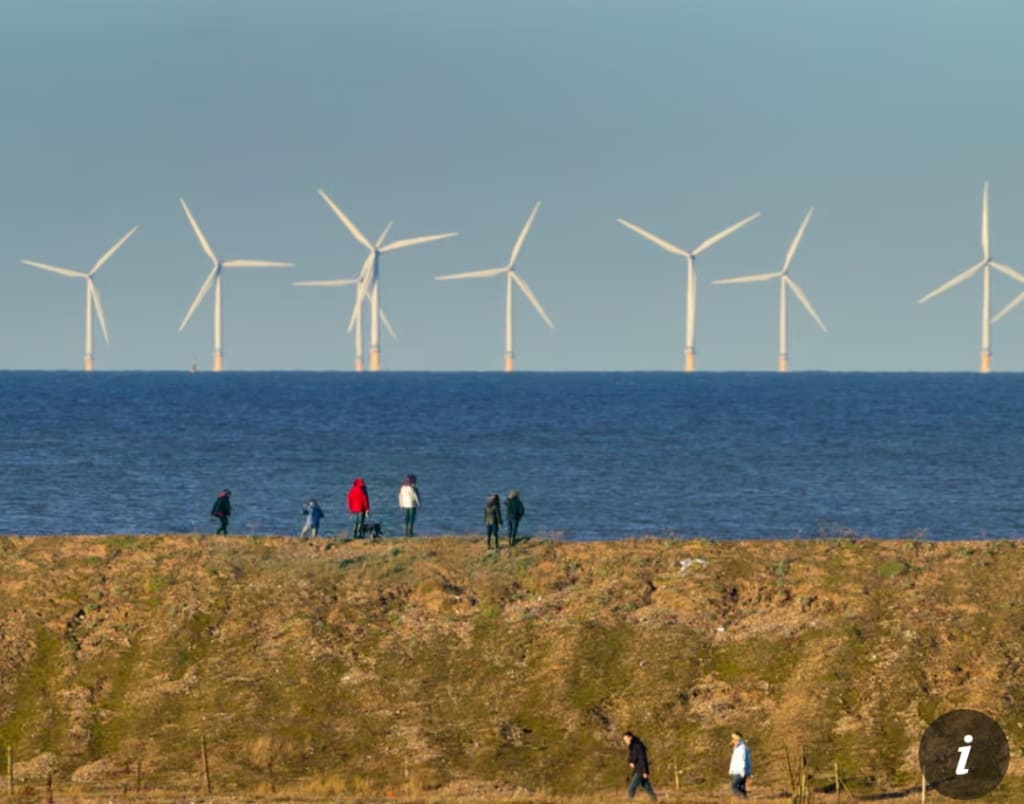
The United Kingdom has joined forces with nine other European countries to create a massive offshore wind power grid in the North Sea, aiming to generate 100 gigawatts (GW) of renewable electricity. This ambitious initiative, one of the largest international energy projects in recent history, reflects Europe’s growing commitment to sustainable energy and the transition away from fossil fuels.
The North Sea, long known for its oil and gas extraction, is now poised to become a hub for wind power, thanks to advanced technology, favorable wind conditions, and strong international collaboration. The UK’s participation is central to this effort, given its expertise in offshore wind development and its aggressive renewable energy targets.
Why the North Sea?
The North Sea is ideally suited for wind power due to its consistent and strong winds, relatively shallow waters, and proximity to major European energy markets. Offshore wind farms can produce higher and more stable energy outputs than onshore wind farms, making them a critical component of Europe’s renewable energy strategy.
By linking multiple countries to a single grid, the North Sea project allows for energy sharing and balancing. This means that when one region experiences low wind conditions, electricity can be supplied from another area, ensuring a stable and reliable energy supply across participating nations.
The Scale of the Project
The planned 100GW wind power grid is unprecedented in scale. To put this into perspective:
100GW is enough to power roughly 100 million homes, more than the combined population of several participating countries.
The project will include dozens of offshore wind farms, interconnected via undersea transmission cables.
It represents a multi-billion-dollar investment in renewable energy infrastructure, creating thousands of jobs across Europe.
The participating countries include the UK, Germany, Denmark, the Netherlands, Belgium, Norway, Sweden, France, Ireland, and Luxembourg. By working together, these nations aim to share expertise, reduce costs, and accelerate the deployment of renewable energy.
Economic and Environmental Benefits
The North Sea wind power grid promises significant economic and environmental benefits:
Reduction of Carbon Emissions: Offshore wind power produces zero direct emissions, helping Europe meet its climate targets.
Energy Security: By diversifying energy sources and relying on renewables, countries reduce dependence on imported fossil fuels.
Job Creation: Construction, operation, and maintenance of wind farms will create tens of thousands of jobs across multiple sectors.
Innovation and Technology: The project will drive innovation in turbine design, energy storage, and undersea transmission technology.
Experts say that large-scale projects like this are crucial if Europe hopes to achieve net-zero emissions by 2050.
UK’s Role in Offshore Wind
The UK is already a global leader in offshore wind power, with the largest installed capacity in the world. According to the UK government, the country aims to generate 50GW of electricity from offshore wind by 2030, and its participation in the North Sea grid will accelerate this vision.
UK companies bring extensive experience in turbine manufacturing, project management, and offshore logistics, all of which will be critical to the success of the grid. Additionally, the UK’s commitment to green finance and policy support provides a stable environment for long-term investment.
Challenges Ahead
While the project promises great benefits, there are challenges to overcome:
Technical Complexity: Connecting multiple countries’ grids under the sea requires advanced engineering and careful coordination.
Environmental Concerns: Offshore wind farms must be designed to minimize impacts on marine ecosystems and fisheries.
Cost and Investment: While shared investment reduces individual costs, the project still represents billions of dollars in infrastructure spending.
Regulatory Coordination: Different countries have varying rules and regulations, requiring negotiation and agreement on technical standards.
Despite these challenges, experts are optimistic that collaboration and technological innovation will ensure the project’s success.
Global Implications
The North Sea wind power grid could become a model for international renewable energy collaboration. By showing that countries can work together to share energy, resources, and expertise, the project sets a precedent for future initiatives in other regions, including Asia, the Americas, and the Middle East.
It also demonstrates how renewable energy can be scaled up to meet the demands of modern societies, helping the world transition away from fossil fuels while maintaining reliable electricity supplies.
Looking Ahead
Construction of the grid is expected to begin in phases over the next decade, with early connections coming online within the next few years. Governments and private companies are already signing contracts for turbines, transmission systems, and undersea infrastructure.
Public support for renewable energy in Europe remains high, and projects like this one reinforce the perception that clean energy is both economically viable and environmentally necessary.
Conclusion
The UK’s participation in the 100GW North Sea wind power grid marks a historic step for Europe’s renewable energy future. By collaborating with nine other countries, the UK is helping create one of the largest renewable energy infrastructures in the world, capable of powering millions of homes, reducing carbon emissions, and driving technological innovation.
As the project progresses, it will serve as a blueprint for international energy cooperation, demonstrating that large-scale clean energy projects are not only feasible but essential for achieving global climate goals.
The North Sea wind power grid is more than just an energy project—it is a symbol of what nations can achieve when they unite around a common goal: a cleaner, sustainable, and more resilient future for all.
About the Creator
Keep reading
More stories from Aarif Lashari and writers in Earth and other communities.
Edinburgh and Glasgow Top London as UK’s Nightlife Hotspots, Uber Data Shows
For decades, London has been seen as the undisputed heart of the UK’s nightlife, drawing partygoers with its clubs, concerts, late-night dining, and cultural events. However, new data released by Uber suggests that the balance may be shifting. According to recent ride-hailing trends, Edinburgh and Glasgow have now overtaken London as the UK’s top nightlife hotspots, signaling a major change in how and where Britons choose to spend their nights out.
By Aarif Lashariabout 3 hours ago in Earth
The Growing Need for Air Purification and Air Purifiers Today
Introduction Air is the most basic necessity for life, yet it is often the most overlooked factor when discussing health, productivity, and quality of living. While people pay close attention to the food they eat and the water they drink, the air they breathe — especially indoors — rarely receives the same level of scrutiny. In today’s world, however, this mindset is rapidly changing. Rising pollution levels, climate change, urbanisation, industrial growth, and the lingering effects of global health crises have brought air quality to the forefront of public awareness.
By Hafsa Usmani5 days ago in Earth


Comments
There are no comments for this story
Be the first to respond and start the conversation.