
Australia on the Brink of a Mega Drought: What It Means for the Future
Examining the Causes and Impacts of an Escalating Water Crisis
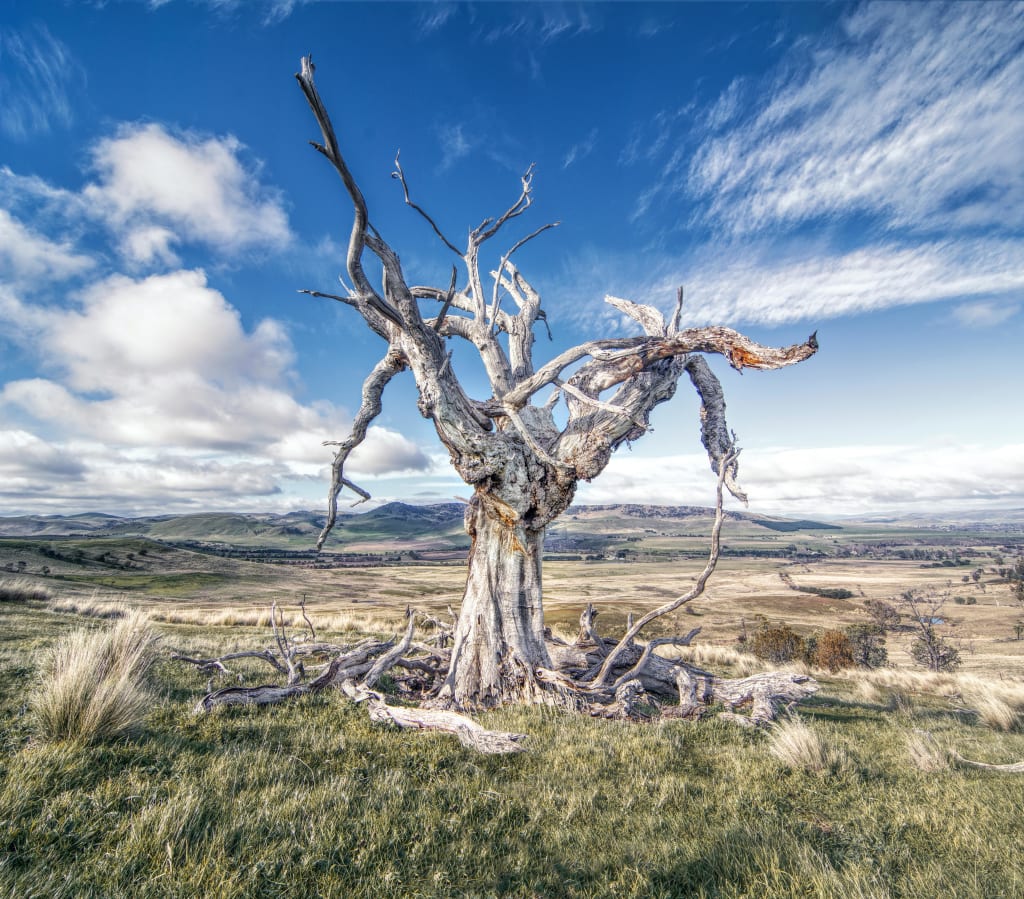
Australia may soon face an unprecedented mega drought—not just a few dry seasons, but potentially two decades with little to no rain. This alarming forecast not only threatens the continent but could also have far-reaching consequences worldwide, impacting food supplies and energy prices across the globe.
Imagine a scenario where staple foods like bread, flour, and cereals become scarce as Australia grapples with the longest and most devastating drought on record. Neighboring countries such as New Zealand, Indonesia, and Malaysia may find themselves preparing for an influx of Australians seeking refuge from the water crisis.
To grasp the severity of this looming disaster, we can look back at Australia’s history with drought. The country is no stranger to prolonged dry spells, and drought conditions can sweep across its vast landscape. For example, from 2017 to 2019, southeastern Australia experienced the "tinderbox drought," characterized by dangerously low rainfall during cooler months, which was about half of what is normal. This extreme dryness not only jeopardized crops and water supplies but also heightened the risk of catastrophic wildfires.
The tinderbox drought played a significant role in the infamous Black Summer fire disaster of 2019, which unleashed wildfires of unprecedented scale. The damage was staggering: the tourism industry alone suffered losses of around $2.8 billion, and over 7,000 jobs were lost. These past events serve as stark reminders of the challenges Australia may face in the future, underscoring the importance of understanding historical patterns to prepare for a potential 20-year mega drought.
However, there's a challenge: despite Australia’s frequent droughts, the available rainfall data isn't enough to make accurate long-term predictions. Most records only date back to around 1900, prompting researchers to turn to tree rings to uncover missing environmental data. These rings, visible in tree stumps, reflect annual growth patterns that vary with water availability; during droughts, the rings are thinner.
Yet, this method only provides insights into localized conditions and typically covers just a few hundred years. To gain a broader perspective, scientists have developed computer models to simulate climate changes from the year 850 to 2000, revealing past occurrences of megadroughts and helping to project future scenarios.
One crucial question arises: Are human activities exacerbating these drought conditions? The answer isn’t straightforward. While historical data suggests that dry spells in Australia have lasted longer than they did before industrialization, there’s no evidence that they are occurring more frequently or with greater intensity. This indicates that a 20-year drought could be a natural part of Australia’s climatic cycles.
What makes the situation even more intriguing is that there’s no single cause for megadroughts; they arise from a complex interplay of oceanic and atmospheric conditions. Interestingly, these events aren’t unique to Australia. Megadroughts have occurred on every continent except Antarctica over the past two millennia, often linked to natural phenomena like El Niño, which disrupts weather patterns globally. The Southwestern U.S. has been experiencing its own megadrought since 2000, marking the driest period in 1,200 years.
Looking ahead, the implications of a potential mega drought in Australia are dire. While reduced rainfall is the primary indicator, a warmer atmosphere will likely exacerbate drought conditions, leading to parched landscapes, shrinking rivers and lakes, and endless blue skies with barely a cloud in sight. Farmers may struggle to grow crops, leading to rising grocery prices worldwide, as Australia supplies about 13% of the global wheat market. Water shortages could also affect coal mining operations, driving up energy costs that would ripple through various industries, ultimately impacting consumers and contributing to global inflation.
As Australians face these daunting challenges, some may seek refuge in neighboring countries like New Zealand or Southeast Asia. But when will this mega drought strike? While megadroughts can occur every 150 to 1,000 years, experts believe Australia could face one within the next decade.
This phenomenon should not be taken lightly, as it has historically contributed to the collapse of entire civilizations. For instance, the Akkadians of Mesopotamia, who established the world’s first empire over 4,000 years ago, faced a massive 300-year drought that likely led to their downfall. Similarly, the Assyrian Empire’s rise and fall coincided with a wet period followed by a 125-year mega drought, forcing them to abandon their capital of Nineveh.
While these historical events paint a sobering picture, there is a silver lining: advancements in climate technology can help us prepare for future megadroughts. Given that a 20-year drought is a very real possibility, Australia has a critical window to implement effective water management strategies.
Developing robust water conservation plans and creating community support networks will be essential, particularly for farmers most affected by these dry conditions. If proactive measures are taken, the impact of a potential mega drought could be less severe than anticipated.
In conclusion, Australia stands at a crossroads, facing a potential mega drought that could reshape its landscape and its economy. By learning from the past and embracing innovative solutions, there’s hope for a more resilient future amid the challenges of a changing climate.
About the Creator
Keep reading
More stories from Nicoline Beukes and writers in Earth and other communities.
Delving Into Magma: A Groundbreaking Leap in Geology
At this very moment, scientists are gearing up for one of the most daring explorations in modern science: a mission to delve into the Earth’s deepest layers, where temperatures soar and pressure is crushing. This might sound like the plot of Journey to the Center of the Earth, but it’s entirely real. By 2026, the Krafla Magma Testbed Project in Iceland plans to drill directly into an active volcano.
By Nicoline Beukesabout a year ago in Futurism
The Jinn Fled
This short story was narrated by my grandson Taimoor, who is thirteen years old. He heard it from the family of his friend Zain Ali. Zain Ali’s mother, Nusrat Bibi, loves Taimoor like her own son. She is a pious, well-mannered, kind-hearted, and refined woman.
By Sudais Zakwan3 days ago in Earth
Trump ‘Has Stopped Dyeing His Hair’ and Thinks He Will Be Dead in a Decade,
A Surprising Revelation About Trump According to recent reports, former President Donald Trump has reportedly stopped dyeing his hair and has openly mentioned that he believes he may only have about a decade left to live. This personal revelation has surprised the public and media alike, as Trump’s hair has been a defining feature of his persona for decades. The news comes amid ongoing discussions about Trump’s health, legacy, and future political ambitions, offering a rare glimpse into his personal reflections on aging and mortality. The Significance of Hair in Trump’s Public Image For years, Donald Trump’s hair has been iconic and heavily scrutinized, appearing in political cartoons, late-night shows, and public discussions. His distinctive style has often been associated with his brand and image as a larger-than-life figure. Stopping hair dyeing could be interpreted in multiple ways: As a personal choice embracing aging, or A subtle reflection of his acknowledgment of mortality In any case, this change signals a departure from the meticulously maintained public image Trump has cultivated for decades. Trump on Mortality The report suggests that Trump has shared his thoughts about his life expectancy, stating he believes he may die within the next decade. While he has not specified reasons for this belief, it has prompted public discussion about how political figures perceive aging and legacy. Many observers note that contemplation of mortality is not unusual for someone in their mid-70s, yet when expressed publicly by a former world leader, it can influence media coverage, public perception, and political discourse. Public and Media Reaction News of Trump’s decision to stop dyeing his hair and his remarks about life expectancy has led to a mix of reactions: Some view it as a humanizing moment, revealing vulnerability in a figure often portrayed as invincible. Others see it as a potential political signal, possibly affecting perceptions of his energy, future political involvement, or campaign strategies. Social media users and commentators have highlighted the story humorously, reflecting how Trump’s personal choices often become public fascination points. Despite the lighthearted responses online, serious discussions have emerged regarding the intersection of personal health, public image, and political leadership. Aging and Politics Trump’s candid acknowledgment of aging raises broader questions about how political figures confront their mortality while remaining in the public eye. History shows that aging leaders often face intense scrutiny regarding: Health transparency Cognitive and physical ability Future political plans and legacy By discussing his own life expectancy, Trump may be indirectly addressing public curiosity about his capacity to continue influencing politics, particularly as speculation about a potential 2024 candidacy persists. The Cultural Obsession with Trump’s Appearance The attention on Trump’s hair is emblematic of a larger cultural phenomenon: society’s fascination with appearance and identity in leadership. From style choices to physical health, the public often interprets a leader’s personal traits as indicators of vitality, credibility, or capability. Stopping hair dyeing could therefore be seen as a small but symbolic moment, signaling a shift in how Trump chooses to present himself, potentially prioritizing authenticity over image cultivation. Reflections on Mortality and Legacy Expressing thoughts about mortality is not unique to Trump. Leaders and public figures often grapple with questions of legacy, impact, and how they will be remembered. For Trump, who remains a polarizing figure, contemplating life expectancy may intersect with considerations of: Historical perception Political influence Personal and familial legacy Observers note that sharing such reflections publicly can humanize political figures but also invite scrutiny and speculation about decision-making and priorities. Public Curiosity and Media Coverage Trump’s comments have fueled a wave of media coverage, from traditional news outlets to social media discussions. Key aspects driving public curiosity include: The juxtaposition of personal vulnerability and political power The cultural fixation on Trump’s hair and appearance The broader implications for his political future This coverage highlights how personal revelations of public figures can become national conversations, influencing both public perception and political narratives. Implications for Political Discourse While the story may seem trivial at first glance, it offers insight into how personal image, aging, and public commentary intersect in contemporary politics. Trump’s decision may also spark debate over: The role of personal health transparency in leadership How aging leaders maintain influence in high-stakes political environments Media emphasis on appearance versus policy or ideology These conversations contribute to a larger understanding of political culture in the modern era, where private life and public persona are deeply intertwined. Conclusion Donald Trump’s reported choice to stop dyeing his hair and his reflections on mortality provide a rare window into the personal life of a highly visible political figure. Beyond the surface, this story raises questions about aging, legacy, and public perception, highlighting how personal decisions can resonate widely in the media and among communities. As public fascination continues, the story underscores society’s complex relationship with leaders’ appearance, vulnerability, and mortality, reminding us that even the most powerful figures confront the universal truths of aging and legacy.
By Aarif Lashari4 days ago in Earth




Comments
There are no comments for this story
Be the first to respond and start the conversation.