
Arachnophilia Unleashed
Exploring the Extraordinary Lives of 15 Unusual Spiders
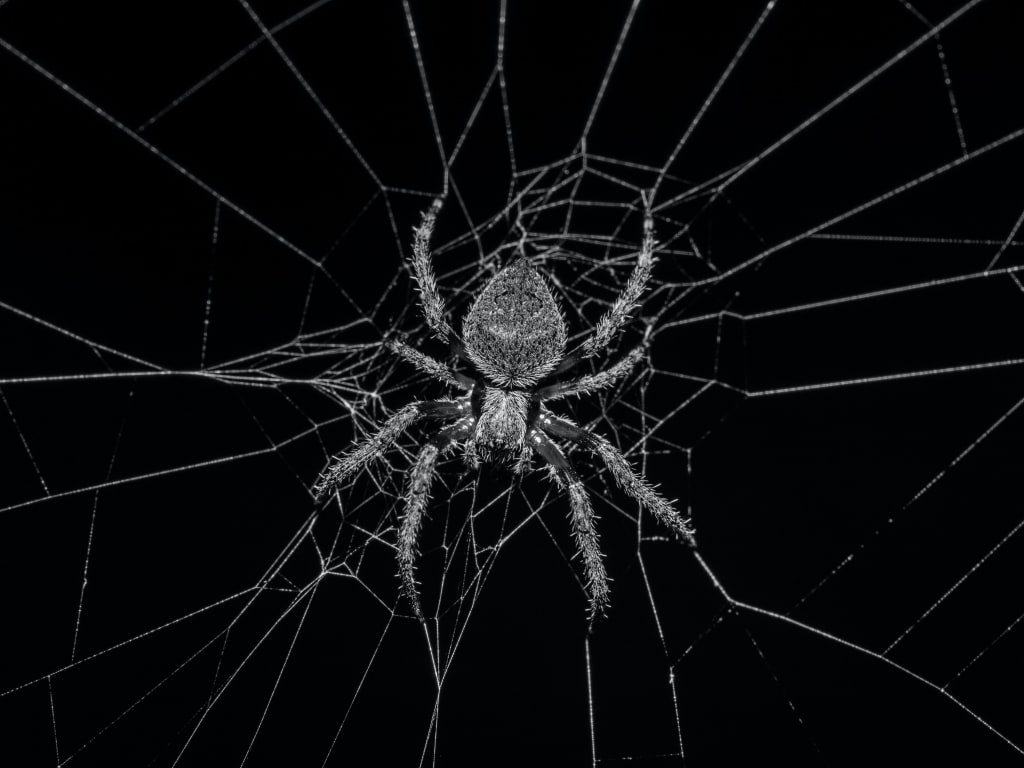
The world of spiders is often shrouded in fear and mystery, but beyond the conventional web-spinners lies a realm of arachnids with traits and behaviors that seem more at home in science fiction than the natural world. Join us as we delve into the lives of 15 remarkable spiders, each captivating in its own unique way.
Peacock Spider (Maratus volans) - The Flamboyant Dancer
The peacock spider, scientifically known as Maratus volans, hails from Australia, challenging the monotonous image of spiders with vivacious colors and distinctive mating dances. These minuscule jumpers showcase vibrant patterns on their fan-like abdomens, engaging in intricate dances to court females. Impeccable vision aids them in their complex rituals, challenging preconceptions about these often-feared creatures.
Assassin Spider (Family Archaeidae) - Silent Predators
Creeping in the ancient forests of Madagascar, Australia, and South Africa, the assassin spider earns its name with an alien-like appearance and predatory nature. Elongated jaws and necks, along with stealthy hunting tactics, make these spiders deadly assassins in the spider kingdom. Fossil records reveal their lineage dating back 50 million years, offering valuable insights into spider evolution.
Goliath Bird-Eating Spider (Theraphosa blondi) - The Giant of the Amazon
In the upland rainforest regions of Northern South America, the Goliath bird-eating spider boasts leg spans reaching up to 11 inches. Despite its formidable size and diet that includes insects, amphibians, and rodents, this spider's venom poses little threat to humans. Intriguing behaviors like stridulation and the use of urticating hairs make it a captivating and unique arachnid.
Brazilian Wandering Spider (Phoneutria) - Night Stalker of the Jungle
Roaming the tropical regions of Central and South America, the Brazilian wandering spider is one of the most venomous arachnids globally. Its nocturnal habits, threat displays, and intricate mating rituals contribute to its reputation. While its venom can cause discomfort, the spider plays a crucial role in controlling insect populations, maintaining ecological balance.
Mirror Spider (Thwaitesia argentio punctata) - Nature's Kaleidoscope
Hailing from Australia, the mirror spider showcases a mesmerizing reflective abdomen adorned with guanine crystals. These crystals create a kaleidoscopic effect, making the spider nearly invisible when stationary. Despite their small size, mirror spiders are expert orb weavers, utilizing their unique appearance for both camouflage and captivation.
Happy Face Spider (Theridion grallator) - Nature's Smiley Face
In the lush rainforests of Hawaii, the happy face spider brings cheer with its unique abdominal patterns resembling smiling faces. Mastering the art of disguise, these spiders exhibit diverse markings, deterring potential predators. Non-aggressive and harmless to humans, their maternal instincts and nocturnal hunting habits make them a delightful addition to the spider kingdom.
Diving Bell Spider (Argyroneta aquatica) - The Aquatic Arachnid
Delve into freshwater ponds and streams in Europe and Asia, and you'll encounter the diving bell spider. This unique arachnid spends its entire life submerged, creating underwater retreats with silk-lined air bubbles. Adapting to aquatic life, they demonstrate exceptional web-building skills and maternal care, challenging the notion that spiders are exclusively terrestrial.
Ogre-Faced Spider (Family Dinopidae) - Master of Night Vision
Found in tropical and subtropical regions worldwide, the ogre-faced spider stands out with its large forward-facing eyes, capable of adjusting light sensitivity. Utilizing portable net-like webs and nocturnal hunting, these spiders showcase unique vision adaptations and efficient hunting strategies. By day, they hide among leaves, demonstrating cryptic coloration.
Spiny Orb Weaver (Gasteracantha) - Nature's Warning Signs
In warmer climates worldwide, spiny orb weavers display vivid colors and spiky abdomens, serving as warning signs to potential predators. These small but easily identifiable spiders are orb weavers, creating intricate webs to ensnare flying insects. Despite their threatening appearance, they pose no significant danger to humans.
Ladybird Spider (Eresus) - A Splash of Color in European Heathlands
Nestled in the sand dunes and heathlands of Europe, the ladybird spider boasts sexual dimorphism, with males exhibiting bright red bodies resembling ladybird beetles. This unique spider displays protective maternal care, guarding its eggs until they hatch, followed by a poignant act of matrificy where spiderlings consume their mother for an essential nutrient boost.
Triangle Spider (Hiptiotes paradoxus) - The Power Amplifier
In temperate forests of North America and Eurasia, the triangle spider introduces an unusual web-based hunting strategy known as power amplification. Creating a small triangular net, these spiders use tension to turn their webs into slingshots, capturing prey with incredible speed. Their cryptic coloration adds to their enigmatic presence in the spider kingdom.
Bolivian Bleeding Spider (Parastasida) - Nature's Autohemorrhager
In the dense Bolivian rainforests, the Bolivian bleeding spider stands out with its unique defensive strategy of autohemorrhaging. This arachnid expels its own hemolymph, or blood equivalent, as a deterrent to predators. Despite its seemingly harmful tactic, the spider continues to thrive, contributing to the biodiversity of its habitat.
Trapdoor Spider (Family Ctenizidae) - Subterranean Ambush Predator
Thriving in subtropical and tropical regions, trapdoor spiders construct camouflaged burrows topped with hinged trapdoors. These skilled ambush predators sense vibrations on the ground caused by passing prey, using their trapdoors to capture unsuspecting victims. While formidable hunters, their venom poses minimal threat to humans.
Bola Spider (Mastophora) - Mimicking Moths for Ambush
Found globally, including North America, Australia, and South Africa, the bola spider incorporates an ancient hunting strategy inspired by the Argentine weapon. Using a single sticky globule on a thread, these spiders mimic female moth pheromones to attract males, swinging their bola to capture prey mid-flight. Their unique tactics showcase the diversity of spider hunting strategies.
Net Casting Spider (Deinopidae) - The Ogre-Faced Hunter
In various parts of the world, net casting spiders defy convention with their rectangular net-like webs held by their front legs. These spiders, also known as ogre-faced spiders, exhibit nocturnal vision adjustments and use their large eyes for efficient hunting. Their unique strategy of casting nets at prey showcases the adaptability of spiders in diverse ecosystems.
As we suspend our fears and summon curiosity, these 15 unusual spiders invite us into a world of complexity, innovation, and survival strategies that challenge our preconceptions and leave us marveling at the wonders of the arachnid realm. Whether through vibrant displays, unique hunting tactics, or ingenious adaptations, spiders continue to captivate and intrigue, proving there's far more to these creatures than meets the eye.
About the Creator
Līva
World is interesting place. Scary, but worth living.
Nature is full of surprises and people are... well, people are something else.
Art is the best doctor.
Evidence Suggests a Large Hidden Planet May Exist in Our Solar System
For centuries, scientists believed the major members of our Solar System were fully known. From the rocky inner planets to the gas giants and icy bodies beyond, astronomers thought they had mapped most of the significant objects orbiting the Sun. However, new research by American scientists suggests that a large, hidden planet may still be lurking in the distant reaches of our Solar System.
By Irshad Abbasi 4 days ago in Earth




Comments
There are no comments for this story
Be the first to respond and start the conversation.