
Ancient civilizations and environmental adaptation
Ancient civilizations were deeply influenced by their environment, adapting in ingenious ways to the challenges they faced.

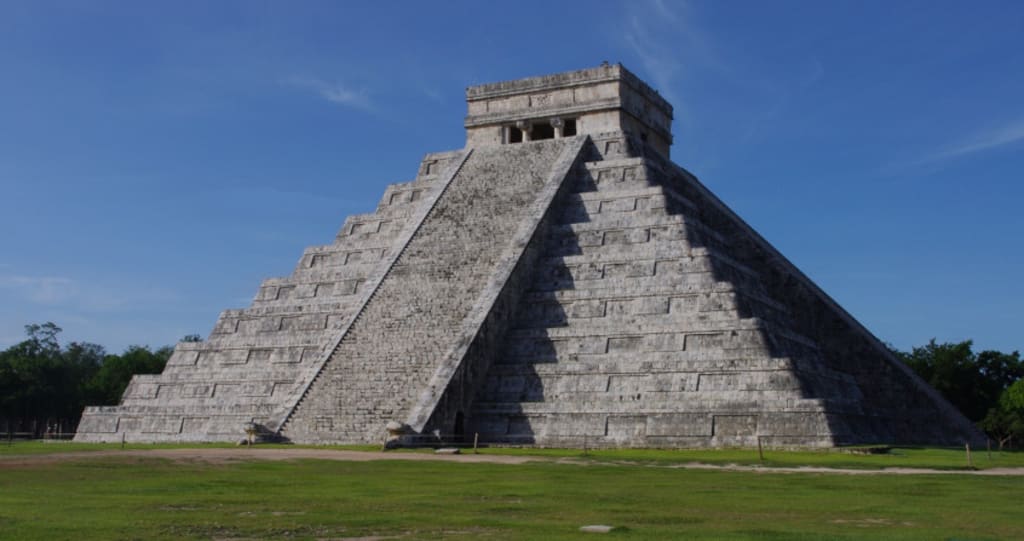
The interaction between human societies and their natural surroundings shaped the development of culture, technology, and social structures. From the fertile lands of the Nile to the harsh deserts of Mesopotamia, these early civilizations demonstrated remarkable resourcefulness. This essay explores how ancient societies adapted to their environments, focusing on agriculture, architecture, and societal organization.
(I)Agricultural Adaptation
Agriculture was the cornerstone of most ancient civilizations, and their survival depended on their ability to harness natural resources. The earliest known civilizations, such as those in Mesopotamia, Egypt, and the Indus Valley, thrived in areas with fertile soil and access to water. In Mesopotamia, the Tigris and Euphrates Rivers provided essential irrigation, allowing the Sumerians to develop sophisticated farming techniques. They built extensive canal systems to divert river water, transforming arid lands into productive agricultural zones. This innovation in irrigation not only supported crop production but also encouraged the growth of cities and complex societies.
Similarly, the ancient Egyptians flourished along the banks of the Nile River. The river’s annual flooding deposited nutrient-rich silt onto the surrounding lands, making it possible to cultivate crops in an otherwise desert environment. The Egyptians harnessed this natural cycle by developing irrigation systems, including the shaduf, a device that helped lift water from the river to irrigate fields. Their mastery of agriculture supported the growth of one of the most powerful and long-lasting civilizations in history.
In the Indus Valley, cities like Mohenjo-Daro and Harappa were built near rivers, where the fertile plains allowed for advanced agricultural practices. The inhabitants practiced crop rotation, using different fields at different times of the year to maintain soil fertility. These civilizations also developed water storage and drainage systems to cope with seasonal flooding and dry periods, showing a deep understanding of environmental cycles.
(II)Architectural Adaptation
Ancient civilizations also adapted their architectural styles to suit their environments. In regions with extreme climates, people developed structures that helped mitigate the effects of heat, cold, and humidity. In Mesopotamia, for instance, the Sumerians built their homes out of mud bricks, a material abundant in the region. These mud-brick homes were highly effective in insulating against the intense heat of the day and the cold of the night. The thick walls kept the interiors cool during the scorching summers and warm during the cold winters, showcasing how the environment influenced their building practices.
The ancient Egyptians, living in the hot and dry desert climate, designed their cities and homes with thick, sun-baked walls and flat roofs. The use of courtyards allowed for ventilation, and the walls helped to provide shade and protect against the sun’s intense rays. Moreover, the pyramids, one of the most iconic architectural feats in history, were built using locally sourced limestone and granite. These structures were not only a testament to the Egyptians' engineering skills but also an adaptation to the harsh desert environment, as the materials helped regulate temperature and prevent erosion.
In the cooler and more temperate regions of Greece and Rome, builders used materials such as marble and stone, which were abundant in the region. Greek and Roman architecture included open-air spaces are courtyards and amphitheaters, which were designed to take advantage of natural light and air circulation, ensuring comfort in both the warm and cooler months.
(III)Societal Organization and Environmental Challenges
The environmental challenges faced by ancient civilizations also shaped their social structures and governance. In regions with unreliable rainfall or harsh climates, societies developed complex systems of irrigation and water management that required centralized authority. In Mesopotamia, for example, the construction of large-scale irrigation systems required coordination and collective effort, leading to the development of organized governments. The Sumerian city-states were governed by kings who acted as both political leaders and religious figures, overseeing the management of agricultural production and water resources.
In Egypt, the Pharaohs were seen as divine rulers who were responsible for maintaining the balance of nature, ensuring the annual flooding of the Nile. Their authority extended to managing the labor required for large-scale construction projects, such as the building of pyramids and temples, and overseeing the irrigation systems that supported agriculture.
In contrast, the civilizations of the Americas, such as the Maya and the Aztecs, adapted to their environment in ways that reflected their deep spiritual connection to the land. The Maya developed advanced agricultural techniques such as terracing and raised fields to make the most of the tropical environment, while the Aztecs built their capital, Tenochtitlán, on an island in Lake Texcoco, using chinampas—man-made farming islets—to grow crops in the swampy conditions.
IN THE END
Ancient civilizations were exceptional in their ability to adapt to the challenges posed by their environments. Through innovations in agriculture, architecture, and societal organization, they were able to thrive in diverse and often difficult landscapes. The connection between humans and nature was central to the development of these societies, influencing everything from daily life to political power structures. By studying their adaptations, we gain a deeper understanding of how human ingenuity has shaped and been shaped by the natural world throughout history.
About the Creator
Badhan Sen
Myself Badhan, I am a professional writer.I like to share some stories with my friends.
Keep reading
More stories from Badhan Sen and writers in Earth and other communities.
Indigenous knowledge of Earth stewardship
Rooted in a profound respect for nature and an interconnected worldview, this knowledge offers invaluable insights into sustainable living and environmental conservation. Unlike many modern approaches that separate humanity from nature, Indigenous stewardship sees humans as part of a larger ecological web. In this worldview, the Earth is not a resource to be exploited but a living entity to be nurtured and cared for.
By Badhan Senabout a year ago in Earth
US Government Partially Shuts Down Despite Last-Minute Funding Deal
The United States government has entered a partial shutdown, even after lawmakers announced a last-minute funding deal intended to avert disruption. The development highlights persistent political gridlock in Washington and underscores how narrow margins, internal party divisions, and procedural delays can still trigger government paralysis.
By Aarif Lashari8 days ago in Earth
Paul Kimmage: Our Rowers Were the Best of Us and They Were Treated Disgracefully
Sports journalist Paul Kimmage has sparked intense debate after claiming that national rowing athletes — described as “the best of us” — were treated disgracefully by those responsible for managing and supporting them. His comments have reignited wider discussions about athlete welfare, governance standards, and how elite sports systems treat the people who deliver success on the global stage.
By Aarif Lashari6 days ago in Earth




Comments (1)
What a great ancient history/geography story. Good job.